Bird Watching in Volcanoes National Park

Bird Watching in Volcanoes National Park: An Avian Paradise in Rwanda
Bird Watching in Volcanoes National Park: An Avian Paradise in Rwanda
Volcanoes National Park, located in the northwestern region of Rwanda, is a haven for bird watching enthusiasts and nature lovers alike. Renowned for its dramatic volcanic landscapes and rich biodiversity, the park offers some of the most exceptional bird watching experiences in Africa. With its diverse range of habitats, including montane forests, bamboo groves, and open grasslands, Volcanoes National Park is home to an impressive array of bird species. Here’s an in-depth exploration of the bird watching opportunities in this stunning national park.
A Diverse Avian Population
Unique Bird Species
Volcanoes National Park is celebrated for its diverse bird species, many of which are endemic or rare. The park’s avian population includes over 200 recorded species, making it a prime destination for bird watchers seeking to observe both common and elusive species. Among the notable residents are the Rwenzori Turaco (Tauraco johnstoni), known for its striking plumage of green and blue, and the Mountain Yellow Warbler (Dendroica vitellina), a vibrant bird found in the park’s montane forests.
Endemism and Rarity
The park’s unique ecological conditions contribute to its rich bird diversity. The high-altitude montane forest and bamboo forests provide ideal habitats for several endemic species. For example, the Rwenzori Batis (Batis diops), a bird endemic to the Albertine Rift, can be spotted in the park’s forested areas. Bird watchers also have the opportunity to encounter the elusive African Green Broadbill (Pseudocalyptomena graueri), a rare species with a limited distribution in the Albertine Rift.
Prime Bird Watching Locations
Bamboo Zones
The bamboo zones of Volcanoes National Park are particularly rewarding for bird watchers. These dense areas of bamboo provide habitat for several specialized bird species, including the Stripe-Breasted Tit (Parus fasciiventer) and the Red-Faced Woodland Warbler (Phylloscopus laetus). Early morning walks through the bamboo forests offer the chance to observe these birds as they forage and call amidst the lush vegetation.
Montane Forests
The montane forests of Volcanoes National Park are a bird watcher’s paradise. The towering trees and dense undergrowth support a wide range of bird species, including the African Crowned Eagle (Stephanoaetus coronatus) and the White-Starred Robin (Pogonocichla stellata). The forested slopes and ridges offer excellent vantage points for spotting and listening to the calls of various bird species.
Open Grasslands and Moorlands
In contrast to the forested areas, the open grasslands and moorlands of the park provide a different set of bird watching opportunities. The grasslands are home to species such as the African Marsh Harrier (Circus ranivorus) and the Dusky Turtle Dove (Streptopelia lugens). The moorlands, with their unique vegetation, offer habitats for species like the Alpine Chat (Saxicola waremi) and the Golden-Crowned Crane (Balearica regulorum).
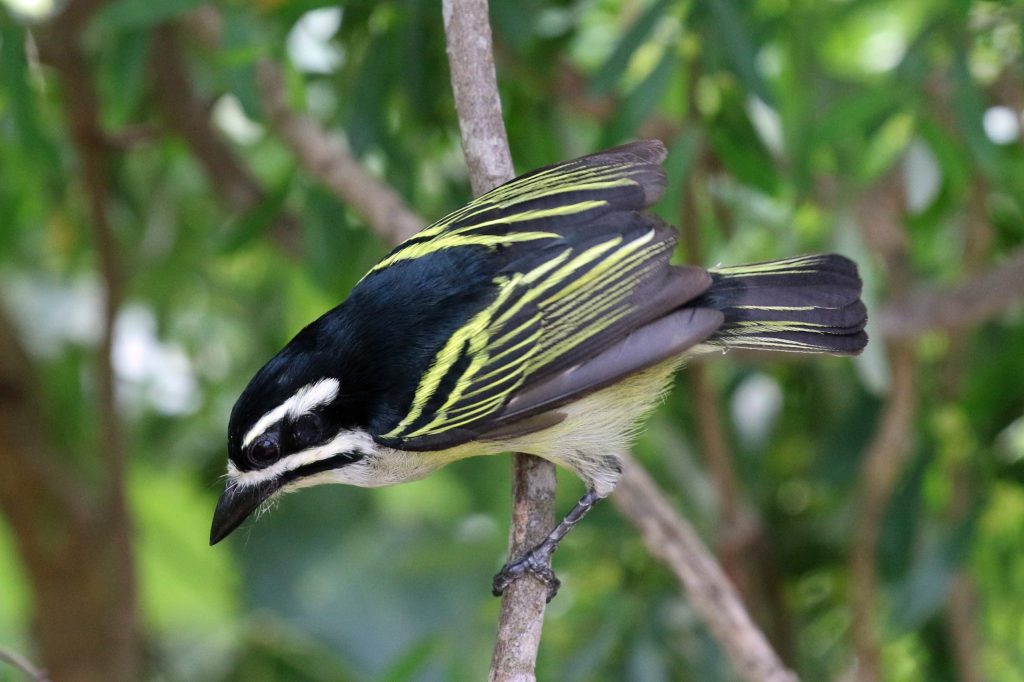
Birding Tours in Volcanoes
Bird Watching Activities and Tips
Guided Bird Watching Tours
To make the most of the bird watching experience in Volcanoes National Park, guided tours led by experienced bird guides are highly recommended. These guides possess extensive knowledge of the park’s avian species and their habitats, enhancing the likelihood of spotting rare and elusive birds. Additionally, guides provide valuable insights into bird behavior, vocalizations, and identification techniques.
Best Time to Visit
The optimal time for bird watching in Volcanoes National Park is during the dry seasons, which typically run from June to September and December to February. During these periods, the weather conditions are more favorable, and birds are more active and visible. The early morning hours are particularly productive, as many species are most active during this time.
Essential Gear and Preparation
Proper preparation is key to a successful bird watching experience. Essential gear includes a good pair of binoculars with a high magnification and wide field of view, a field guide to African birds, and a notebook for recording observations. Comfortable, weather-appropriate clothing and sturdy hiking boots are also recommended, as bird watching often involves walking through varied terrains.
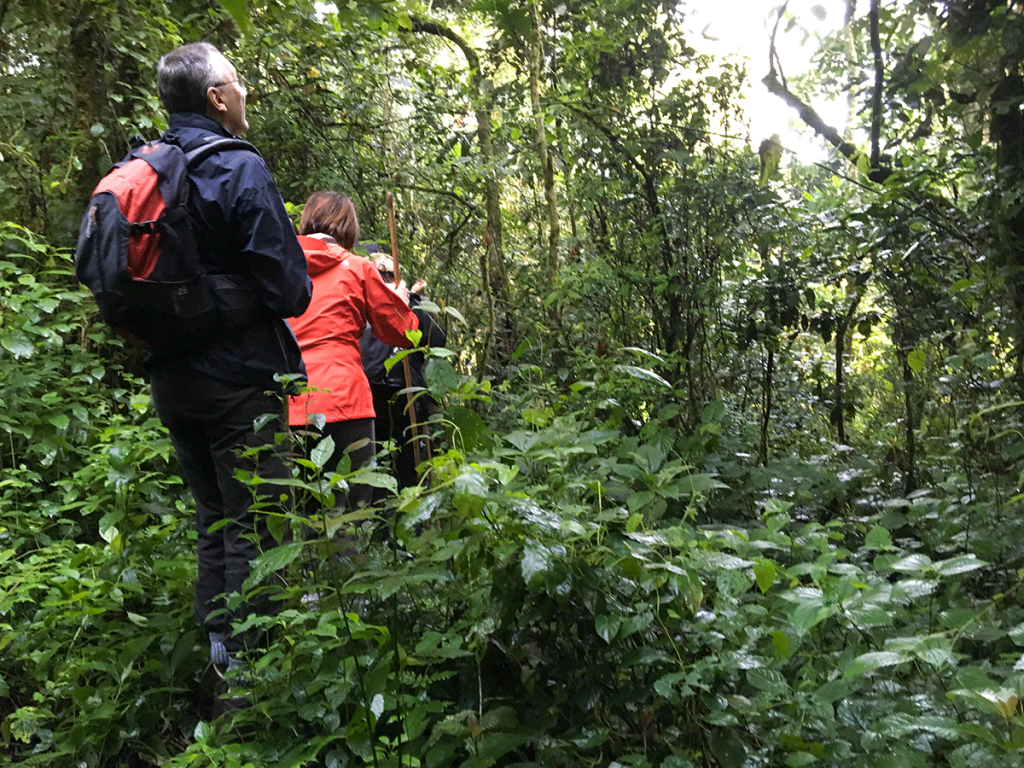
Backpacking for Solo Travelers to Volcanoes
Conservation and Community Engagement
Conservation Efforts
Bird watching in Volcanoes National Park also contributes to broader conservation efforts. The park’s bird diversity highlights the importance of preserving its habitats, including the montane forests and bamboo zones. By participating in bird watching activities, visitors support the park’s conservation initiatives and raise awareness about the significance of protecting these vital ecosystems.
Local Community Involvement
The local communities surrounding Volcanoes National Park play an integral role in bird conservation. Many bird guides and park staff come from these communities, providing them with livelihood opportunities and fostering a sense of stewardship towards the park’s natural resources. Community engagement in conservation efforts helps build a sustainable model for preserving the park’s biodiversity.
Challenges and Future Prospects
Habitat Conservation
While Volcanoes National Park is a haven for bird watchers, it faces ongoing challenges related to habitat conservation. The park’s habitats are threatened by factors such as climate change, agricultural expansion, and deforestation. Continued efforts are needed to address these threats and ensure the long-term protection of the park’s avian and ecological diversity.
Enhancing Bird Watching Infrastructure
To further enhance the bird watching experience, there is potential for developing additional infrastructure and resources within the park. This could include the establishment of dedicated bird watching trails, improved signage, and educational materials to assist visitors in identifying and understanding the park’s bird species.
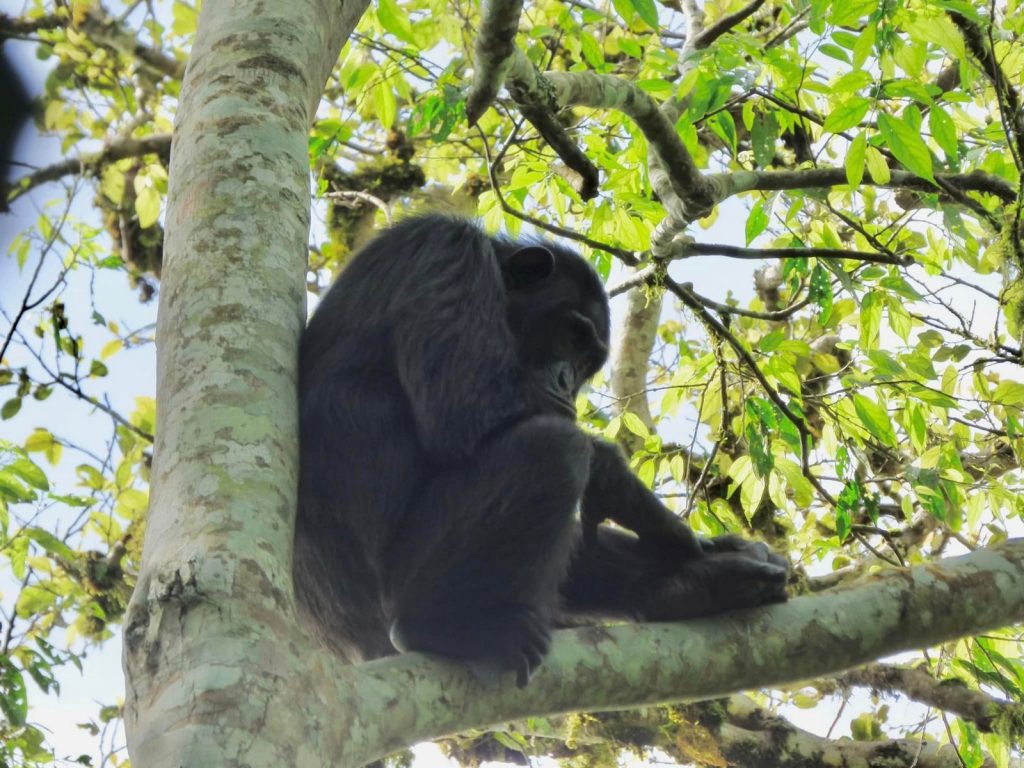
9 Days Uganda Rwanda Safari
Conclusion
Bird watching in Volcanoes National Park offers an exceptional opportunity to explore and appreciate Rwanda’s avian diversity in one of the most picturesque and ecologically rich settings in Africa. The park’s diverse habitats provide a home for a wide range of bird species, from the endemic and rare to the more common and widespread. Through guided tours, conservation efforts, and community engagement, visitors to Volcanoes National Park contribute to the preservation of these magnificent birds and their habitats. As bird watchers traverse the bamboo forests, montane woodlands, and open grasslands, they are rewarded not only with sightings of extraordinary avian species but also with a deeper connection to the natural world and the importance of conservation.
Excusive Rwanda Gorilla Trekking, Chimpanzee, & Wildlife Tour Packages
- 5 Days Remarkable Rwanda Safari
- 5 Days Rwanda Wildlife & Gorilla Trekking Safari
- 6 Days Remarkable Rwanda Safari
- 10 Days Rwanda Encounter
- 4 Days Gorilla Trek by Helicopter
- 11 Days Across Rwanda safari
- 15 Days Remarkable Rwanda
- 5 Days Akagera Wildlife Safari
- 2 Days Rwanda Gorilla Tour
- 4 Days Rwanda Gorilla Trek Safari
- 5 Days Rwanda Gorilla Safari
- 4 Days Flying Gorilla Trek
- 4 Days Rwanda Wildlife & Gorilla Safari
- 9 Days Rwanda Primate Safari
- 6 days Rwanda gorillas
- 7 Days Gorilla & Village Visits
- 6 Days Volcano Nyungwe Rwanda Safari
- 8 Days Akagera & Volcanoes by Helicopter
- 9 Days Ultimate Rwanda Luxury Trip