Gorilla Trekking Rules and Regulations
Gorilla Trekking Rules and Regulations in Uganda and Rwanda
Gorilla Trekking Rules and Regulations in Uganda and Rwanda. Gorilla trekking is a profound and life-changing experience, offering a rare glimpse into the lives of one of the world’s most endangered species. Both Uganda and Rwanda are at the forefront of gorilla conservation, providing structured and carefully regulated trekking experiences to ensure the safety and preservation of these magnificent creatures. Understanding and adhering to the established rules and regulations is crucial for both the protection of the gorillas and the safety of the trekkers. Here is a detailed guide to the rules and regulations governing gorilla trekking.
Pre-Gorilla Trekking Guidelines
Age Restrictions
Gorilla trekking is restricted to individuals aged 15 years and above. This age limit ensures that participants are physically capable of enduring the potentially strenuous hike and can comprehend the importance of following the rules and guidelines during the trek.
Health Requirements
Trekkers must be in good health to participate. Gorillas are highly susceptible to human diseases, particularly respiratory infections. If you are feeling unwell or exhibit symptoms of illnesses like flu or cold, you are strongly advised to refrain from trekking. This measure helps protect the gorillas from potentially fatal diseases.
Permit Requirements
A valid gorilla trekking permit is mandatory for all participants. These permits are issued by the respective wildlife authorities—Uganda Wildlife Authority (UWA) for Uganda and Rwanda Development Board (RDB) for Rwanda. The permits regulate the number of visitors, ensuring that each gorilla family is visited by a limited number of people each day, minimizing stress and human impact on the gorillas.
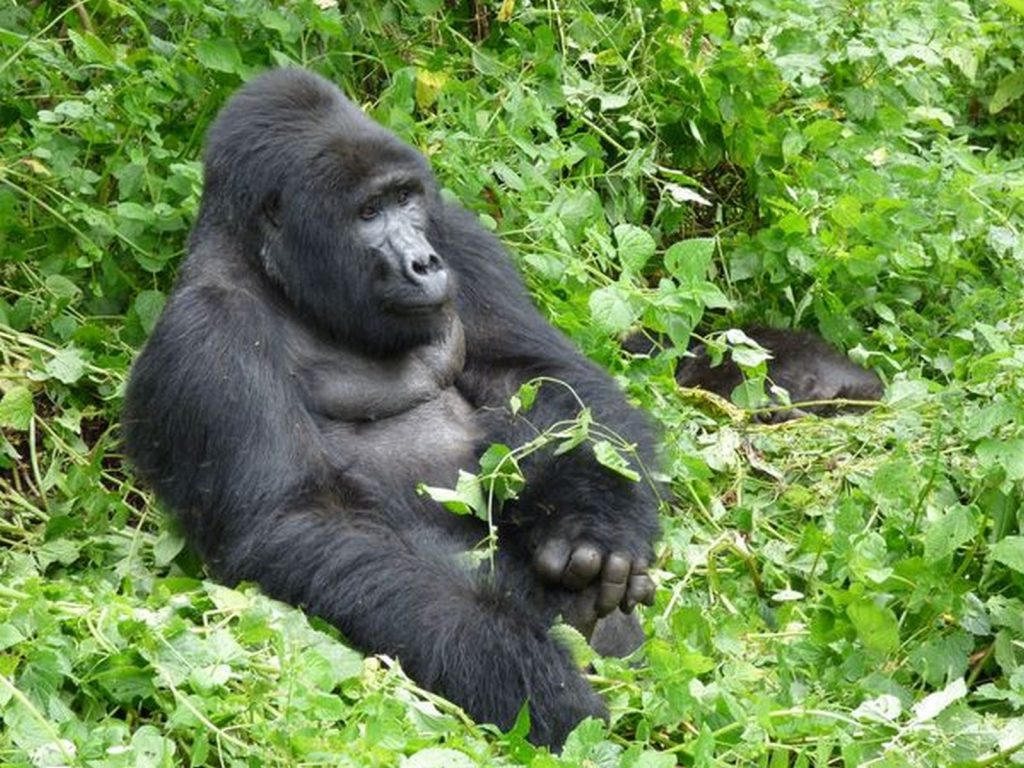
gorilla Trekking in Uganda
During the Gorilla Trekking
Group Size and Briefing
Groups are limited to a maximum of eight trekkers per gorilla family. This small group size reduces disturbance to the gorillas and ensures a more intimate and manageable experience. Before setting off, trekkers must attend a briefing session conducted by park rangers. This briefing covers important information about the trekking route, safety measures, and the behavior expected from trekkers.
Maintaining Distance
Trekkers are required to maintain a minimum distance of 7 meters (about 23 feet) from the gorillas at all times. This distance minimizes the risk of transmitting diseases to the gorillas and reduces stress caused by human presence. Despite their habituation to humans, gorillas are wild animals and should be treated with respect and caution.
Photography Rules
Flash photography is strictly prohibited. The sudden burst of light can startle the gorillas and provoke aggressive behavior. Trekkers are encouraged to use cameras with low-light capabilities to capture their experience without disturbing the gorillas. Additionally, tripods and other bulky equipment are discouraged as they can be cumbersome and potentially hazardous on the narrow trails.
Behavior Around Gorillas
Trekkers must avoid making loud noises or sudden movements, which can alarm the gorillas. Speaking in a low voice is recommended to maintain a calm environment. If a gorilla approaches you, it is crucial to remain still and avoid direct eye contact, which can be interpreted as a challenge.
No Eating or Drinking Near Gorillas
Consumption of food and beverages is prohibited in the presence of gorillas. This rule helps prevent the transmission of diseases and ensures that no food scraps are left behind, which could alter the gorillas’ natural behavior and diet.

Volcanoes National Park
Conservation and Ethical Considerations
Leave No Trace
Trekkers are expected to adhere to the principles of Leave No Trace. This means taking all litter, including biodegradable items like fruit peels, back with you. Human waste should be disposed of in designated areas or carried out to avoid contaminating the environment.
Avoiding Habitat Destruction
Sticking to designated trails is essential to avoid trampling vegetation and disrupting the gorillas’ habitat. Park rangers and guides will lead the way, ensuring that the trekkers follow paths that minimize environmental impact.
Supporting Local Communities
Many gorilla trekking tours incorporate visits to local communities, providing insight into the lives of those who coexist with the gorillas. Supporting local crafts, engaging in cultural experiences, and staying at community-run lodges contribute to the well-being of these communities and the overall conservation efforts.
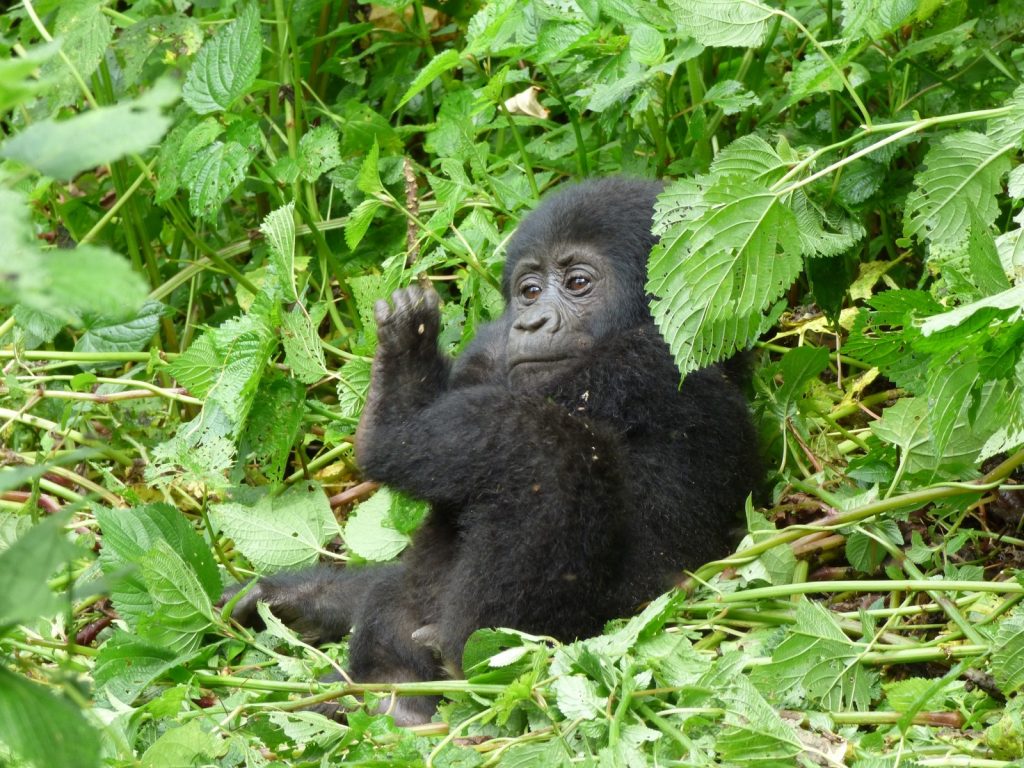
Gorilla trekking in Rwanda
Safety Precautions
Emergency Protocols
Park rangers are trained in first aid and emergency protocols. In the event of an emergency, they are equipped to handle various situations, from minor injuries to more serious incidents. Trekkers should follow the instructions of the rangers at all times for their safety.
Fitness and Hydration
Gorilla trekking can be physically demanding, requiring stamina and endurance. Trekkers should ensure they are adequately hydrated and physically prepared for the trek. Bringing sufficient water and energy-boosting snacks is recommended.
Post-Trekking Guidelines
Health Monitoring
After the trek, participants should monitor their health and report any illness to the authorities. This is particularly important if you suspect you may have contracted a disease that could have been transmitted to the gorillas.
Continued Support for Conservation
Even after your trekking experience, there are ways to continue supporting gorilla conservation. Donations to conservation organizations, participating in awareness campaigns, and promoting responsible tourism practices all contribute to the ongoing efforts to protect these incredible animals.
Gorilla Trekking Rules and Regulations in Uganda and Rwanda Conclusion
Gorilla trekking is a privilege that comes with significant responsibility. The rules and regulations governing this activity are designed to protect the gorillas, their habitat, and the trekkers. By adhering to these guidelines, you contribute to the conservation of one of the world’s most endangered species and ensure that future generations can also experience the awe and wonder of encountering mountain gorillas in their natural habitat. Remember, the essence of gorilla trekking lies in respect—for the animals, the environment, and the communities that share their home with these gentle giants.
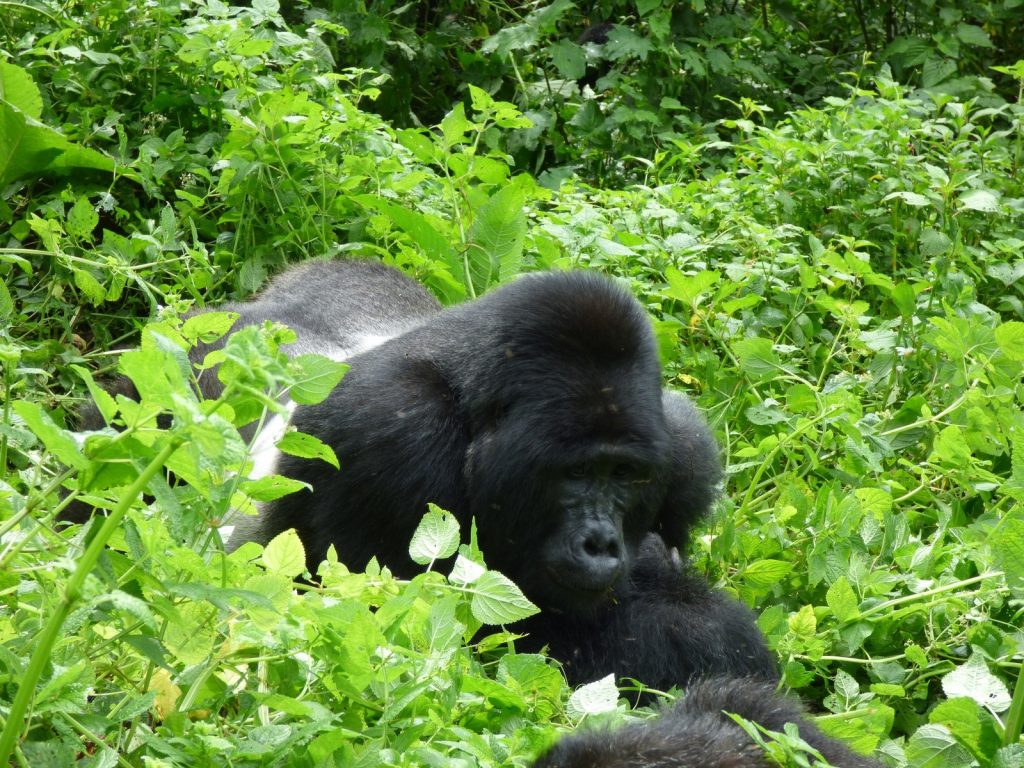
16 Days East African Safari
Excusive Rwanda Gorilla Trekking, Chimpanzee, & Wildlife Tour Packages
- 5 Days Remarkable Rwanda Safari
- 5 Days Rwanda Wildlife & Gorilla Trekking Safari
- 6 Days Remarkable Rwanda Safari
- 10 Days Rwanda Encounter
- 4 Days Gorilla Trek by Helicopter
- 11 Days Across Rwanda safari
- 15 Days Remarkable Rwanda
- 5 Days Akagera Wildlife Safari
- 2 Days Rwanda Gorilla Tour
- 4 Days Rwanda Gorilla Trek Safari
- 5 Days Rwanda Gorilla Safari
- 4 Days Flying Gorilla Trek
- 4 Days Rwanda Wildlife & Gorilla Safari
- 9 Days Rwanda Primate Safari
- 6 days Rwanda gorillas
- 7 Days Gorilla & Village Visits
- 6 Days Volcano Nyungwe Rwanda Safari
- 8 Days Akagera & Volcanoes by Helicopter
- 9 Days Ultimate Rwanda Luxury Trip