Rwandan Traditional Cuisine
Rwandan Traditional Cuisine – Flavorful Staples and Ingredients
Rwandan traditional cuisine is a vibrant tapestry of flavors, heavily reliant on locally grown ingredients. Staples include plantains, sweet potatoes, beans, and maize, which are often prepared in a variety of ways to complement meat and vegetable dishes. One of the hallmark dishes is isombe, a savory stew made from cassava leaves cooked with ground peanuts and sometimes fish or meat. These ingredients are integral to Rwandan meals, offering a rich, wholesome experience that highlights the region’s agricultural heritage.
Unique Preparations and Flavors
Rwandan cuisine features unique preparations that are both flavorful and diverse. Brochettes, skewered and grilled meat, often made from goat or beef, are a popular street food and a social staple at gatherings. Another traditional dish, matoke, consists of green plantains cooked with onions, tomatoes, and spices, providing a savory and slightly sweet flavor profile. The use of local herbs and spices, such as coriander and garlic, infuses Rwandan dishes with distinct and aromatic flavors that reflect the region’s culinary traditions.
Cultural Significance and Dining Practices
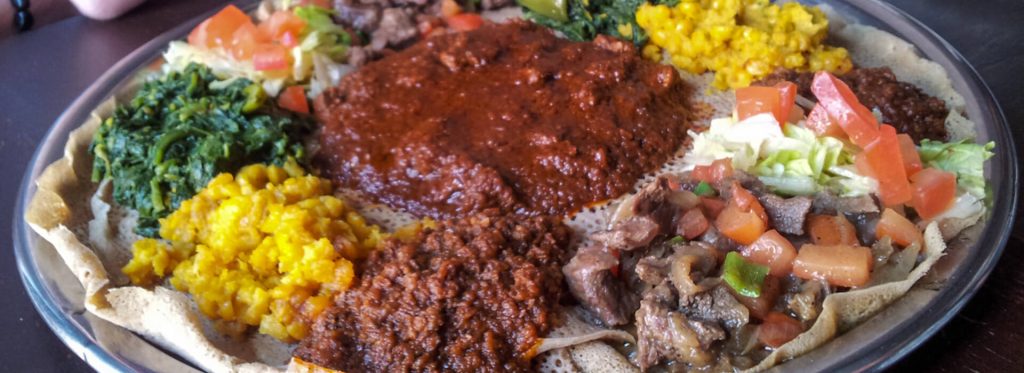
Traditional Rwandan cuisine is deeply intertwined with cultural practices and communal dining. Meals are often enjoyed in a family or communal setting, emphasizing the importance of sharing and togetherness. Traditional dishes are typically served on a communal platter, with diners using their hands or simple utensils to enjoy the food. This approach not only fosters a sense of community but also highlights the value placed on hospitality and familial bonds within Rwandan culture. Celebratory occasions and rituals frequently feature elaborate meals, showcasing the rich culinary heritage and social customs of Rwanda.

Rwandan Traditional Cuisine
What is Included in the Rwandan Traditional Cuisine?
Core Staples and Vegetables
Rwandan traditional cuisine is centered around staple foods and vegetables that form the foundation of daily meals. Key staples include plantains, sweet potatoes, beans, and maize, which are prepared in various ways to create hearty and nutritious dishes. Vegetables such as cassava leaves, used in the dish isombe, and green beans are commonly incorporated into meals, adding both flavor and essential nutrients. These staples are often served alongside proteins and are crucial in creating balanced and satisfying traditional meals.
Protein Sources and Meat Dishes
Meat plays a significant role in Rwandan cuisine, with dishes featuring beef, goat, and chicken as primary protein sources. Brochettes, skewered and grilled meat, are a popular street food and social favorite, often enjoyed at gatherings and events. Another traditional dish, stewed meat cooked with onions, tomatoes, and spices, provides a rich, flavorful experience. Fish, particularly from Lake Kivu, is also commonly included in Rwandan cuisine, featuring in dishes like fish stew or grilled preparations that highlight local freshwater resources.
Traditional Preparation Techniques and Accompaniments
Traditional Rwandan cuisine employs distinctive preparation techniques that enhance the flavors of its dishes. Steaming, boiling, and grilling are common methods used to prepare foods, preserving the natural taste and nutritional value of the ingredients. Accompaniments such as salsa made from tomatoes, onions, and peppers add fresh, zesty notes to meals. Additionally, traditional sauces and seasonings, including ground peanuts and local spices, are used to enrich dishes, adding depth and complexity to the overall flavor profile of Rwandan cuisine.
Excusive Rwanda Gorilla Trekking, Chimpanzee, & Wildlife Tour Packages
- 5 Days Remarkable Rwanda Safari
- 5 Days Rwanda Wildlife & Gorilla Trekking Safari
- 6 Days Remarkable Rwanda Safari
- 10 Days Rwanda Encounter
- 4 Days Gorilla Trek by Helicopter
- 11 Days Across Rwanda safari
- 15 Days Remarkable Rwanda
- 5 Days Akagera Wildlife Safari
- 2 Days Rwanda Gorilla Tour
- 4 Days Rwanda Gorilla Trek Safari
- 5 Days Rwanda Gorilla Safari
- 4 Days Flying Gorilla Trek
- 4 Days Rwanda Wildlife & Gorilla Safari
- 9 Days Rwanda Primate Safari
- 6 days Rwanda gorillas
- 7 Days Gorilla & Village Visits
- 6 Days Volcano Nyungwe Rwanda Safari
- 8 Days Akagera & Volcanoes by Helicopter
- 9 Days Ultimate Rwanda Luxury Trip