The Rwanda Gorilla Trekking Experience
The Rwanda Gorilla Trekking Experience in Volcanoes National Park
Embarking on a Rwanda gorilla trekking adventure in Volcanoes National Park, Rwanda, is a profound and transformative experience. The journey begins with an early morning briefing at the park headquarters, where trekkers receive crucial information about the day’s trek and guidelines for interacting with the mountain gorillas. The trek itself is a fascinating blend of physical challenge and natural wonder. As you traverse the lush, mist-clad slopes of the Virunga Mountains, you encounter a tapestry of vibrant flora and fauna, setting the stage for an unforgettable wildlife encounter. The trek may range from a few hours to a full day, depending on the location of the gorilla families, but the anticipation and excitement build with each step.
Upon reaching the gorilla family, the real magic unfolds. Visitors are granted an hour of intimate and unobtrusive interaction with these majestic creatures. The experience is both humbling and exhilarating, as trekkers observe the gorillas in their natural habitat—engaging in daily activities such as foraging, playing, and grooming. The close proximity to these gentle giants provides an unparalleled opportunity to witness their complex social structures and behaviors up close. The gorillas’ impressive presence and the serene, verdant backdrop create an atmosphere of awe and reverence.
The day concludes with a return to the park headquarters, where trekkers are welcomed with a sense of accomplishment and a profound connection to the natural world. This remarkable experience not only contributes to the conservation efforts for these endangered species but also fosters a deeper appreciation for Rwanda’s rich biodiversity. The gorilla trekking adventure in Volcanoes National Park is a testament to the country’s commitment to preserving its unique wildlife and provides an extraordinary, life-affirming journey for all who undertake it.
Steps Taken for the Rwanda Gorilla Trekking Experience
Preparation and Briefing
The Rwanda gorilla trekking experience begins with meticulous preparation to ensure a safe and enriching adventure. Trekkers are required to obtain permits in advance, which are secured through the Rwanda Development Board (RDB). These permits not only guarantee access to the park but also contribute to the vital conservation efforts that protect the mountain gorillas. On the day of the trek, participants gather at the Volcanoes National Park headquarters for a thorough briefing. During this session, park rangers provide essential information about the trek, including safety protocols, behavioral guidelines for interacting with gorillas, and what to expect during the hike. The briefing is an opportunity for trekkers to ask questions and ensure they are fully prepared for the challenging yet rewarding journey ahead.
The Trek
The trek begins early in the morning, with trekkers setting off from the park headquarters equipped with essentials such as sturdy hiking boots, rain gear, and packed lunches. The journey through the dense, misty forests of Volcanoes National Park can vary in difficulty, as the terrain ranges from relatively easy paths to steep, rugged trails. Guides and porters assist trekkers along the way, ensuring safety and providing support. As you ascend through the lush landscape, the anticipation builds, heightened by the rich tapestry of sights and sounds that characterize the park’s diverse ecosystem. The trek may take several hours, depending on the location of the gorilla family, but the effort is well worth it as you approach the area where the gorillas have been spotted.
Encounter and Observation
Upon reaching the gorilla family, trekkers are granted a precious hour to observe these magnificent animals in their natural habitat. The experience is characterized by a profound sense of awe and respect as visitors witness the gorillas’ daily lives, from nurturing mothers caring for their young to dominant males asserting their presence. Guided by park rangers, trekkers are advised on how to behave to minimize disturbance to the gorillas and ensure a respectful interaction. The opportunity to observe these incredible creatures up close is both educational and moving, providing insights into their social structures and behaviors. Following the encounter, trekkers return to the park headquarters, where they reflect on the day’s experience and contribute to the ongoing conservation efforts that support the protection and study of these endangered species.
Best Season for Rwanda Gorilla Trekking Experience
The best time for gorilla trekking experience in Rwanda, particularly in Volcanoes National Park, is during the two dry seasons: from mid-December to early February and from June to September. These periods offer the most favorable conditions for trekking, with drier weather that makes the trails more manageable and reduces the likelihood of rain, which can create challenging conditions and muddy paths.
Dry Seasons
- Mid-December to Early February: This dry season provides relatively stable weather, making it easier to navigate the trails and enhancing visibility. Although it’s the shorter of the two dry seasons, it still offers a good opportunity to experience gorilla trekking with fewer interruptions from rain.
- June to September: This is the peak dry season and typically the most popular time for trekking. The weather is generally more predictable, with less rain and more comfortable temperatures. This period is ideal for those looking to avoid the muddy and slippery conditions that can occur during the rainy seasons. However, it can also be more crowded, so it’s advisable to book permits well in advance.
Rainy Seasons
The two rainy seasons in Rwanda, from mid-March to May and from October to mid-December, can present more challenging trekking conditions. Trails can be muddy and slippery, and rainfall may cause unpredictable weather patterns. Despite these challenges, trekking during the rainy seasons can also offer a unique experience, with fewer tourists and lush, vibrant landscapes. If you choose to trek during these times, it’s crucial to be well-prepared for wet conditions and to check weather forecasts before setting out.
Rwanda Gorilla Trekking Experience Difficulty Levels?
Gorilla trekking in Volcanoes National Park involves various trek difficulty levels, influenced by factors such as terrain, weather conditions, and the location of the gorilla families. The difficulty of the trek can vary, but generally, it is categorized into three levels:
Easy Treks
-
- Description: Easy treks involve relatively flat or gently undulating terrain. These treks typically start from lower altitudes and follow established trails that are less physically demanding. The trails are often well-maintained, with fewer obstacles and less dense vegetation.
- Duration: The duration of easy treks usually ranges from 1 to 2 hours of hiking before reaching the gorilla families.
- Ideal For: These treks are suitable for individuals who may not be in peak physical condition or those who prefer a less strenuous experience. They are also a good option for those who have limited time but still wish to enjoy a gorilla encounter.
Moderate Treks
- Description: Moderate treks involve more varied terrain, including some steeper sections and more challenging conditions. Hikers may encounter dense vegetation, uneven paths, and occasional inclines or declines. The trek may require some level of physical fitness and stamina.
- Duration: Moderate treks typically last between 2 to 4 hours of hiking before reaching the gorillas.
- Ideal For: These treks are suited for individuals with a reasonable level of fitness and some hiking experience. They offer a balance between the challenge and the reward of seeing the gorillas while experiencing more diverse and rugged terrain.
Challenging Treks
- Description: Challenging treks involve steep ascents or descents, rugged terrain, and dense, often wet vegetation. The trails can be strenuous, with potentially slippery conditions and significant elevation changes. Hikers may need to navigate through thick undergrowth and muddy paths.
- Duration: Challenging treks can take anywhere from 4 to 8 hours, or even longer, depending on the distance and the location of the gorilla families.
- Ideal For: These treks are best suited for those in good physical condition and with substantial hiking experience. The reward is typically an exhilarating and immersive experience in a more remote and pristine part of the park, with the chance to see gorilla families that are located at higher altitudes or in more inaccessible areas.
Preparation Tips
Regardless of the trek difficulty level, all trekkers should be prepared for varying weather conditions, wear appropriate clothing and footwear, and be ready for physical exertion. Hiring local guides and porters can also enhance the experience by providing support and assistance along the way.
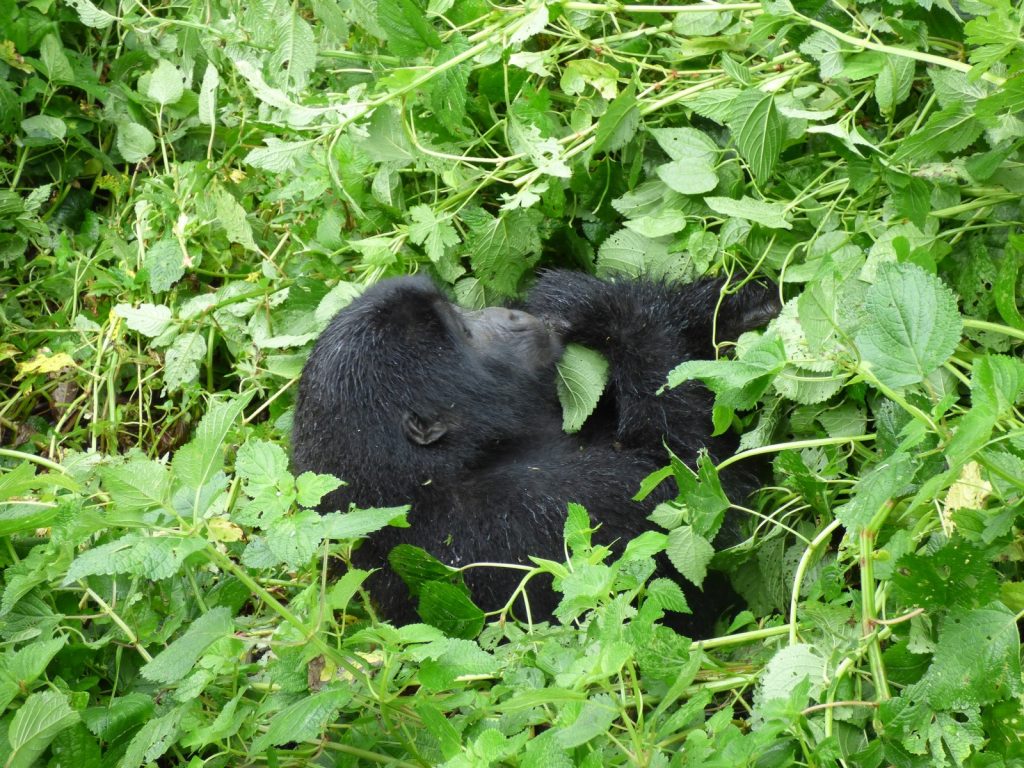
Rwanda Wildlife Conservation Status
Rwanda Gorilla Trekking Experience Packing List?
When preparing for a gorilla trekking adventure in Volcanoes National Park, it’s essential to pack thoughtfully to ensure comfort and safety during the trek. Here’s a comprehensive packing list to help you prepare:
Clothing
- Sturdy Hiking Boots: Waterproof, ankle-supporting boots with good traction are crucial for navigating muddy and uneven terrain.
- Long-Sleeved Shirt and Pants: Lightweight, quick-drying, and moisture-wicking long-sleeved shirts and pants are recommended to protect against scratches and insects.
- Waterproof Jacket: A good-quality rain jacket is essential to stay dry during unpredictable weather.
- Fleece or Warm Layer: Temperatures can be chilly, especially at higher altitudes, so pack a warm layer for added comfort.
- Hat and Gloves: A hat for sun protection and lightweight gloves for hand protection and warmth.
Gear
- Daypack: A small, comfortable backpack to carry essentials such as water, snacks, and personal items.
- Binoculars: Optional but useful for observing wildlife from a distance.
- Camera: A camera with a zoom lens is recommended for capturing memories, but remember to follow park regulations regarding flash photography.
- Trekking Poles: Helpful for stability on uneven or steep terrain.
Essentials
- Water Bottle: Hydration is important, so bring a durable, reusable water bottle. Consider carrying extra water in case of a longer trek.
- Snacks: High-energy snacks like nuts, energy bars, or dried fruit to keep your energy up during the hike.
- Sunscreen: High SPF sunscreen to protect against sunburns.
- Insect Repellent: To protect against insect bites, particularly from mosquitoes.
Personal Items
- Sunglasses: Protect your eyes from the sun and glare.
- Travel Documents: Passport, gorilla trekking permits, and any other necessary identification.
- Cash: For tipping guides or purchasing souvenirs.
- First Aid Kit: Basic items like plasters, pain relievers, and any personal medications.
Miscellaneous
- Dry Bags: To keep electronics and other valuables dry in case of rain.
- Hand Sanitizer: For hygiene before and after meals.
- Chargers and Spare Batteries: For cameras and other electronic devices.
Optional Extras
- Walking Stick: A lightweight, collapsible walking stick for additional support.
- Rain Cover for Backpack: To keep your gear dry during wet weather.
- By packing these items, you’ll be well-prepared for the physical demands of the trek and the diverse weather conditions in Volcanoes National Park.
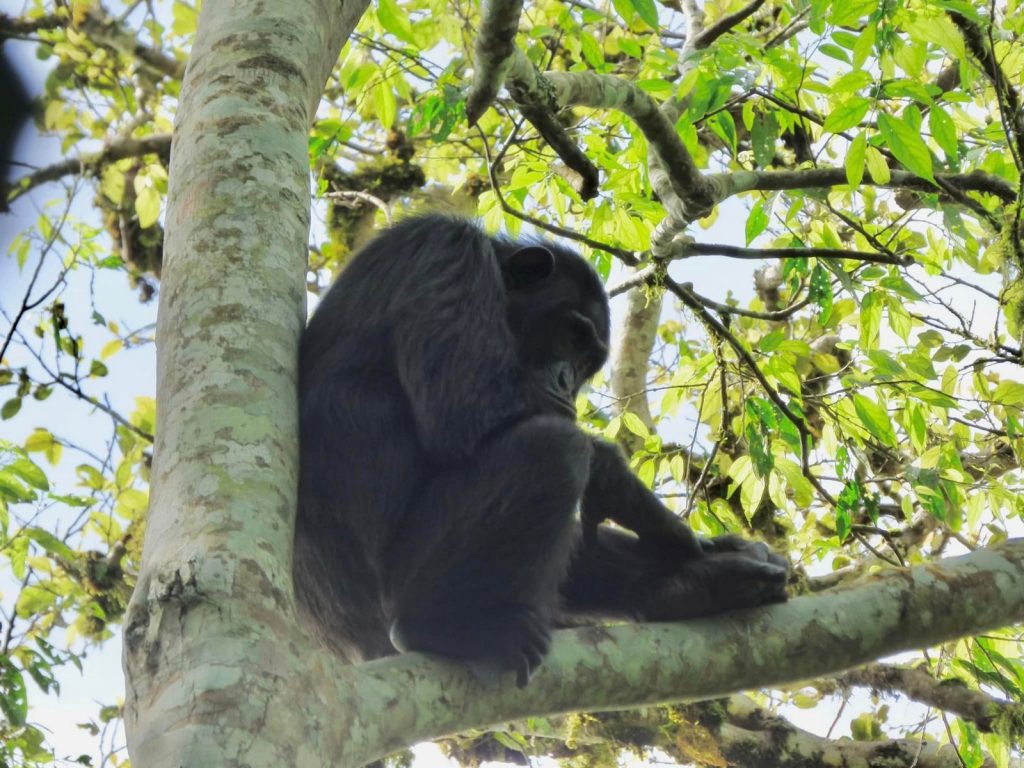
9 Days Uganda Rwanda Safari
Gorilla Behavior Insights?
Gorilla behavior is fascinating and reflects the complex social structures and daily activities of these magnificent primates. Here are some key insights into gorilla behavior:
Social Structure and Hierarchy
- Group Dynamics: Gorillas live in social groups called troops or families, typically consisting of one dominant male (silverback), several females, and their offspring. The silverback is the leader and protector of the group, making decisions about movement, feeding, and defending against threats.
- Hierarchy: Within the group, there is a clear hierarchy. The silverback holds the highest status, followed by subordinate males (blackbacks) and then the females. Young gorillas and infants occupy the lowest rank. The hierarchy helps maintain order and reduces conflicts within the group.
Communication
- Vocalizations: Gorillas use a range of vocalizations to communicate. These include grunts, roars, and barks. Vocalizations can signal contentment, distress, or warnings of danger. For example, a silverback might make a low, rumbling sound to assert authority or calm the group.
- Body Language: Non-verbal communication is crucial. Gorillas use gestures and body postures to convey messages. For instance, a gorilla might beat its chest to display dominance or show excitement. Facial expressions also play a role, with behaviors like lip-smacking indicating friendliness or submission.
Daily Activities and Diet
- Feeding Habits: Gorillas are primarily herbivores, consuming a diet rich in leaves, stems, fruits, and flowers. Their feeding behavior can involve extensive foraging and consuming large quantities of plant material to meet their nutritional needs. They spend a significant portion of their day feeding and can travel several kilometers in search of food.
- Resting and Nesting: Gorillas build nests to sleep in, typically made from branches and leaves. They construct new nests each night and occasionally build day nests for resting. Nests are usually located on the ground but can also be found in trees. The building and use of nests reflect their behavioral adaptations for rest and protection.
Play and Social Interactions
- Playful Behavior: Young gorillas engage in playful activities, including wrestling, chasing, and climbing. Play is essential for developing social skills, physical coordination, and bonding with group members. It also serves as a means of energy expenditure and learning about group dynamics.
- Affection and Bonding: Gorillas demonstrate strong family bonds and social interactions through grooming and physical contact. Grooming is a critical activity for maintaining social relationships and hygiene. It involves removing dirt and parasites and reinforces social bonds between individuals.
Defensive and Aggressive Behavior
- Defensive Actions: Gorillas are generally peaceful but can display aggression if they feel threatened. The silverback plays a crucial role in defending the group from potential threats, including predators and rival gorilla groups. Aggressive displays can include loud vocalizations, charging, and physical posturing.
- Conflict Resolution: When conflicts arise within the group, they are often resolved through displays of dominance rather than physical fights. The silverback’s role in mediating disputes helps maintain group cohesion and stability.
Understanding these aspects of gorilla behavior not only enhances the experience of observing them in the wild but also underscores the importance of conservation efforts to protect their natural habitats and ensure their continued survival.

Volcanoes National Park
Excusive Rwanda Gorilla Trekking, Chimpanzee, & Wildlife Tour Packages
- 5 Days Remarkable Rwanda Safari
- 5 Days Rwanda Wildlife & Gorilla Trekking Safari
- 6 Days Remarkable Rwanda Safari
- 10 Days Rwanda Encounter
- 4 Days Gorilla Trek by Helicopter
- 11 Days Across Rwanda safari
- 15 Days Remarkable Rwanda
- 5 Days Akagera Wildlife Safari
- 2 Days Rwanda Gorilla Tour
- 4 Days Rwanda Gorilla Trek Safari
- 5 Days Rwanda Gorilla Safari
- 4 Days Flying Gorilla Trek
- 4 Days Rwanda Wildlife & Gorilla Safari
- 9 Days Rwanda Primate Safari
- 6 days Rwanda gorillas
- 7 Days Gorilla & Village Visits
- 6 Days Volcano Nyungwe Rwanda Safari
- 8 Days Akagera & Volcanoes by Helicopter
- 9 Days Ultimate Rwanda Luxury Trip