The Sacola Community in Rwanda
The Sacola Community in Rwanda: Resilience and Tradition Amidst Change
The Sacola community, situated in the scenic region of Rwanda, epitomizes the rich cultural tapestry and resilient spirit of rural Rwandan life. Nestled in the picturesque landscapes of the country’s southwestern province, Sacola represents a unique blend of traditional practices and contemporary challenges. This community’s way of life offers valuable insights into the intersection of cultural heritage and modern development.
Cultural Heritage and Traditions
The Sacola community is deeply rooted in Rwanda’s cultural heritage, preserving traditions that have been passed down through generations. Traditional practices and customs are integral to the community’s identity, encompassing a range of activities from agricultural practices to social ceremonies.
Traditional Agriculture
Agriculture is the backbone of Sacola’s economy, with the majority of residents engaged in subsistence farming. The community cultivates a variety of crops, including beans, maize, and sweet potatoes, which are essential for local food security. Traditional farming techniques are employed, reflecting a deep connection to the land and its cycles. The use of indigenous knowledge in farming practices ensures that crops are well-adapted to the local environment, contributing to sustainable agricultural methods.
Social and Ceremonial Practices
Sacola’s social structure is characterized by communal values and collective responsibilities. Traditional ceremonies, such as weddings, initiations, and harvest festivals, are celebrated with vibrant rituals and music. These events serve as opportunities for social cohesion and the reinforcement of cultural norms. The community’s traditional dances and songs, often performed during these ceremonies, are integral to preserving and expressing Sacola’s cultural heritage.
Contemporary Challenges and Development
Despite its rich cultural heritage, the Sacola community faces several contemporary challenges that impact its development and quality of life. Addressing these challenges while preserving cultural traditions requires a nuanced approach.
Economic Development
The transition from traditional subsistence farming to more diversified economic activities presents both opportunities and challenges. Development initiatives aimed at improving infrastructure, education, and health services are essential for enhancing the community’s standard of living. Programs that promote agricultural innovation, such as improved seed varieties and sustainable farming techniques, play a crucial role in increasing productivity and income.
Access to Education and Health Services
Access to quality education and health services is a significant concern for the Sacola community. Efforts to improve educational facilities and healthcare access are critical for enhancing the well-being of community members. Educational programs that emphasize skills development and vocational training can provide new opportunities for youth and contribute to the community’s economic growth. Similarly, improved healthcare services are vital for addressing health issues and promoting overall well-being.
Community Resilience and Initiatives
The Sacola community demonstrates remarkable resilience in the face of challenges. Local initiatives and community-driven projects reflect a commitment to both cultural preservation and development.
Community-Based Organizations
Community-based organizations play a pivotal role in addressing local needs and fostering development. These organizations often focus on areas such as women’s empowerment, youth development, and environmental conservation. Through collaborative efforts and partnerships with NGOs and government agencies, the community works towards achieving sustainable development goals while maintaining its cultural heritage.
Preservation of Cultural Heritage
Efforts to preserve and promote Sacola’s cultural heritage are essential for maintaining the community’s identity. Initiatives that document traditional practices, support local artisans, and promote cultural tourism contribute to preserving Sacola’s unique traditions. Cultural festivals and events that showcase traditional music, dance, and crafts provide opportunities for both residents and visitors to engage with the community’s heritage.
Conclusion
The Sacola community in Rwanda represents a dynamic interplay between tradition and modernity. While deeply rooted in cultural practices and values, Sacola is navigating contemporary challenges and opportunities for development. The community’s resilience and commitment to preserving its heritage amidst change offer valuable lessons in balancing tradition with progress. By addressing economic, educational, and healthcare needs while celebrating and preserving cultural practices, Sacola exemplifies the potential for harmonious development in rural settings. The ongoing efforts to enhance quality of life and maintain cultural identity underscore the community’s enduring spirit and adaptability.
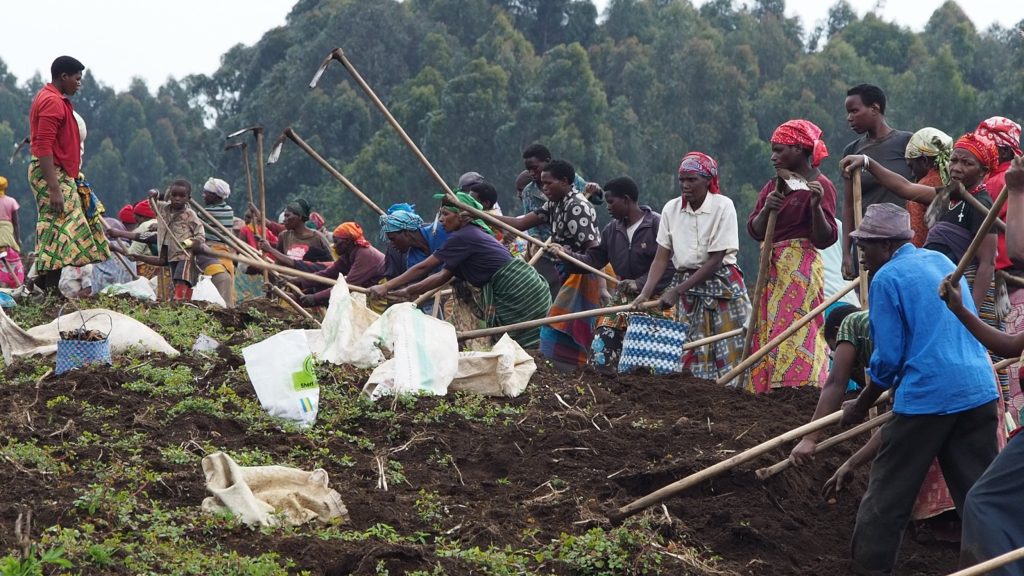
The Sacola Community in Rwanda
Excusive Rwanda Gorilla Trekking, Chimpanzee, & Wildlife Tour Packages
- 5 Days Remarkable Rwanda Safari
- 5 Days Rwanda Wildlife & Gorilla Trekking Safari
- 6 Days Remarkable Rwanda Safari
- 10 Days Rwanda Encounter
- 4 Days Gorilla Trek by Helicopter
- 11 Days Across Rwanda safari
- 15 Days Remarkable Rwanda
- 5 Days Akagera Wildlife Safari
- 2 Days Rwanda Gorilla Tour
- 4 Days Rwanda Gorilla Trek Safari
- 5 Days Rwanda Gorilla Safari
- 4 Days Flying Gorilla Trek
- 4 Days Rwanda Wildlife & Gorilla Safari
- 9 Days Rwanda Primate Safari
- 6 days Rwanda gorillas
- 7 Days Gorilla & Village Visits
- 6 Days Volcano Nyungwe Rwanda Safari
- 8 Days Akagera & Volcanoes by Helicopter
- 9 Days Ultimate Rwanda Luxury Trip