Chimpanzee Experience in Nyungwe Forest National Park
Exploring the Chimpanzee Experience in Nyungwe Forest National Park
Nyungwe Forest National Park, situated in southwestern Rwanda, is a premier destination for nature enthusiasts and wildlife researchers alike. Renowned for its rich biodiversity and pristine landscapes, Nyungwe offers an exceptional opportunity to observe one of our closest relatives in the animal kingdom—the chimpanzee. This detailed guide explores the unique experience of chimpanzee trekking in Nyungwe Forest National Park, including the park’s ecological significance, chimpanzee behavior, trekking logistics, and conservation efforts.
Ecological Significance of Nyungwe Forest
Nyungwe Forest National Park is one of the largest and oldest remaining montane rainforests in Africa, encompassing over 1,000 square kilometers of verdant landscape. Its diverse ecosystems, which include rainforests, bamboo forests, and alpine grasslands, create a rich habitat for a wide range of wildlife, including the chimpanzee (Pan troglodytes). This biodiversity hotspot is a critical component of the Albertine Rift’s ecological network, making it a key site for the conservation of both flora and fauna.
The forest’s complex structure, with its dense canopy and intricate undergrowth, provides ideal conditions for chimpanzees. The park’s elevation, ranging from 1,600 to 2,950 meters above sea level, contributes to a unique climate that supports a variety of plant and animal species adapted to these conditions.
Chimpanzee Behavior and Ecology
Chimpanzees are among the most intelligent of non-human primates, exhibiting complex social structures, communication methods, and problem-solving abilities. In Nyungwe Forest, these primates live in large communities, known as troops, which can range from 20 to over 100 individuals. Each troop has a hierarchical structure, with dominant males and females playing key roles in social interactions and group dynamics.
Chimpanzees in Nyungwe Forest are predominantly frugivorous, meaning their diet consists mainly of fruits. However, they also consume leaves, insects, and occasionally small mammals. Their diet and foraging behaviors are influenced by seasonal variations in food availability, which leads to a dynamic pattern of movement and social behavior within the forest.
The vocalizations of chimpanzees are highly varied and serve multiple purposes, including communication between group members, signaling the presence of predators, and coordinating group activities. Observing these vocalizations provides valuable insights into the complex social interactions of chimpanzees.
Chimpanzee Trekking Experience
Chimpanzee trekking in Nyungwe Forest National Park is a captivating adventure that allows visitors to experience the thrill of encountering these magnificent primates in their natural habitat. The trekking experience is carefully managed to ensure both visitor safety and the well-being of the chimpanzees.
Trekking Logistics
Permits and Booking
To embark on a chimpanzee trek, visitors must obtain a trekking permit, which can be arranged through the Rwanda Development Board (RDB) or All Budget Gorilla Safaris. It is advisable to book permits well in advance, especially during peak tourist seasons.
Guided Tours
Treks are conducted with the assistance of trained park rangers and guides who are well-versed in chimpanzee behavior and forest navigation. These experts ensure that trekkers adhere to the guidelines for responsible wildlife viewing, minimizing human impact on the chimpanzees and their environment.
Trekking Routes and Duration
The trekking routes vary depending on the location of the chimpanzee troops on the day of the trek. Treks typically last between 2 to 4 hours, depending on the distance to the chimpanzees and the terrain. The forest’s challenging terrain, with its steep slopes and dense vegetation, adds to the adventure and requires a moderate level of physical fitness.
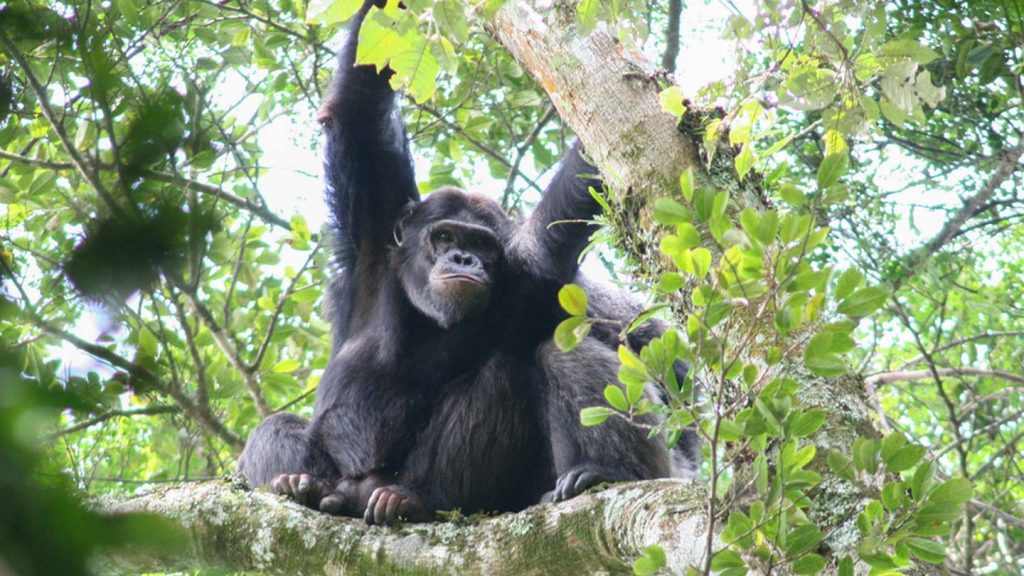
Chimpanzee Tracking in Nyungwe Forest
What to Expect During the Trek
Forest Experience
The trek through Nyungwe Forest offers a rich sensory experience, with the sounds of the forest, the diverse plant life, and the occasional sighting of other wildlife such as colobus monkeys and various bird species. The dense forest canopy and the smell of damp earth create an immersive natural experience.
Chimpanzee Encounters
Upon locating a chimpanzee troop, trekkers are given a brief opportunity to observe and photograph the primates from a respectful distance. The interaction provides a glimpse into the daily lives of these fascinating animals, including their social interactions, foraging behaviors, and play.
Conservation Awareness
During the trek, guides provide valuable information about chimpanzee behavior, conservation challenges, and ongoing research efforts. This educational component enhances visitors’ understanding of the importance of conserving chimpanzees and their habitat.
Conservation Efforts and Challenges & Conservation Initiatives
Chimpanzees in Nyungwe Forest face several conservation challenges, including habitat loss, human-wildlife conflict, and poaching. The park’s designation as a UNESCO World Heritage Site has bolstered conservation efforts, but ongoing vigilance is required to address these threats.
Habitat Protection
Efforts to protect and restore chimpanzee habitat are crucial for ensuring the long-term survival of the species. This includes monitoring deforestation, managing human encroachment, and promoting sustainable land use practices in surrounding areas.
Anti-Poaching Measures
Park authorities and conservation organizations work to prevent poaching through regular patrols, community outreach, and law enforcement. These measures help protect chimpanzees from illegal hunting and trafficking.
Community Engagement
Engaging local communities in conservation efforts is essential for creating sustainable solutions. Education programs, community-based tourism initiatives, and incentives for conservation-friendly practices contribute to reducing human-wildlife conflict and fostering positive attitudes toward wildlife protection.
Conclusion
Chimpanzee trekking in Nyungwe Forest National Park offers an extraordinary opportunity to witness one of nature’s most remarkable primates in a pristine and ecologically significant setting. The combination of lush forest landscapes, the complexity of chimpanzee behavior, and the commitment to conservation creates a compelling and educational wildlife experience.
By participating in chimpanzee trekking, visitors not only gain a deeper appreciation for these incredible animals but also contribute to ongoing conservation efforts aimed at preserving their habitat and ensuring their future. Nyungwe Forest stands as a testament to the importance of conserving our natural heritage and protecting the remarkable biodiversity that enriches our world.
Excusive Rwanda Gorilla Trekking, Chimpanzee, & Wildlife Tour Packages
- 5 Days Remarkable Rwanda Safari
- 5 Days Rwanda Wildlife & Gorilla Trekking Safari
- 6 Days Remarkable Rwanda Safari
- 10 Days Rwanda Encounter
- 4 Days Gorilla Trek by Helicopter
- 11 Days Across Rwanda safari
- 15 Days Remarkable Rwanda
- 5 Days Akagera Wildlife Safari
- 2 Days Rwanda Gorilla Tour
- 4 Days Rwanda Gorilla Trek Safari
- 5 Days Rwanda Gorilla Safari
- 4 Days Flying Gorilla Trek
- 4 Days Rwanda Wildlife & Gorilla Safari
- 9 Days Rwanda Primate Safari
- 6 days Rwanda gorillas
- 7 Days Gorilla & Village Visits
- 6 Days Volcano Nyungwe Rwanda Safari
- 8 Days Akagera & Volcanoes by Helicopter
- 9 Days Ultimate Rwanda Luxury Trip