The Best Time To Visit Gombe National Park
The Best Time To Visit Gombe National Park
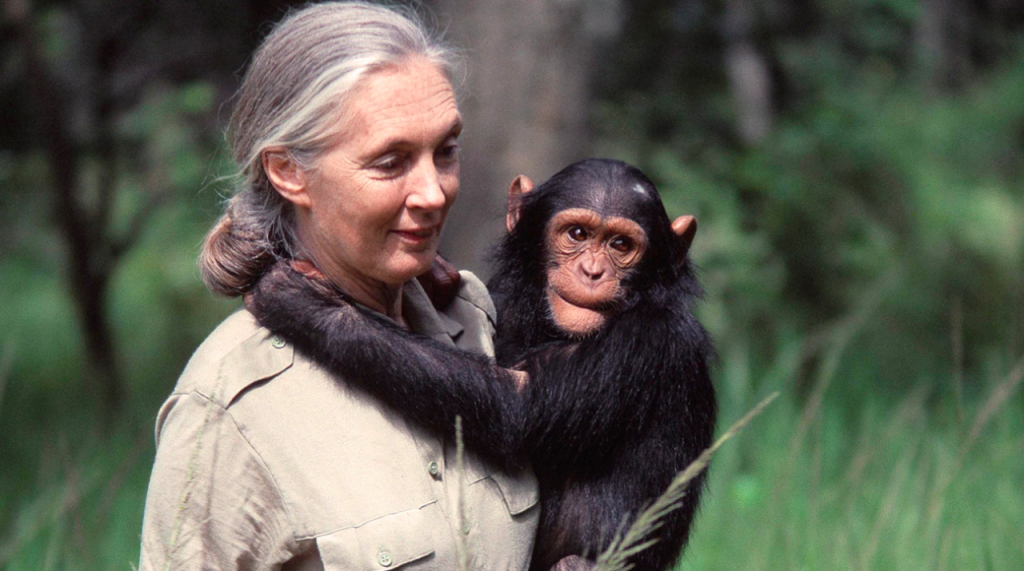
Timing your visit is crucial to ensure the best wildlife encounters and overall comfort during a Gombe Stream Tanzania Safari. The park, located on the shores of Lake Tanganyika, experiences a tropical climate with distinct wet and dry seasons. Most travelers prefer the dry season, running from June to October, as this period offers optimal conditions for chimpanzee trekking, walking safaris, and nature photography. The forest trails are dry, firm, and navigable, allowing easier access to the habituated chimpanzee communities, especially the famous Kasakela group. During this period, wildlife congregates along lower slopes, enhancing visibility and interaction opportunities.
However, the wet season, from November to April, presents unique advantages for avid birdwatchers and those seeking a more secluded forest experience. The rainforest becomes lush and vibrant, creating ideal conditions for observing migratory birds and enjoying panoramic scenery. While trails may be slippery and more physically demanding, trekking through the forest at this time offers an immersive experience, enriched by the verdant environment and the soothing sounds of rainfall echoing through the canopy.
What to Do in Gombe Stream National Park
Dry Season Advantages for Wildlife and Walking Safaris in Tanzania
The dry season in Gombe Stream National Park provides ideal conditions for travelers pursuing a Tanzania Wildlife Safari. Between June and October, rainfall is minimal, reducing the presence of mosquitoes and improving comfort during early morning and late evening forest hikes. Chimpanzees descend closer to the lower forest slopes, enhancing spotting opportunities and making trekking more predictable. This period also coincides with clearer skies, which is advantageous for photography enthusiasts capturing the rainforest, waterfalls, and chimpanzee interactions.
Walking safaris during this time are less strenuous due to firm forest paths, allowing tourists to enjoy extended hikes and explore hidden trails with minimal interruptions. In addition, boat rides and kayaking excursions on Lake Tanganyika are safer and calmer, offering pristine views of the surrounding hills and shoreline. Luxury lodges, such as Mbali Mbali Gombe Lodge and Kasekela Luxury Tented Camp, optimize dry-season stays by providing curated excursions, guided treks, and cultural encounters, blending adventure, comfort, and nature immersion. Travelers can also combine Gombe visits with other Tanzanian destinations like the Serengeti or Ngorongoro Crater during this optimal season, creating an unforgettable multi-destination safari experience
Experiencing the Wet Season: Green Landscapes and Birdwatching Opportunities
The wet season, spanning November through April, offers a different yet equally captivating Tanzania Walking Safari experience in Gombe Stream National Park. The forest becomes a vibrant tapestry of lush vegetation, enhancing the aesthetic appeal of guided hikes, chimpanzee treks, and waterfall visits. Trails may become muddy and slippery, requiring appropriate footwear and moderate fitness, but the immersion into the rainforest’s dynamic ecosystem is unmatched.
During this season, birdwatchers benefit greatly, as migratory species and endemic birds become more active and visible in the thick foliage. Enthusiasts can spot over 200 species, making Gombe a premier destination for avian photography and observation. While chimpanzees may remain in higher tree canopies, the quieter trails and reduced visitor numbers create a sense of exclusivity and personal connection to the forest. Complementing the natural encounters, luxury lodges offer tailored services such as private forest hikes, cultural visits to nearby villages, and personalized boat excursions on Lake Tanganyika. This combination ensures a holistic Tanzania Safari and Gorilla Trekking experience even during wetter months.
Planning Your Gombe Safari Around Seasonal Conditions
Understanding seasonal patterns is essential for a seamless Tanzania Safari Holiday. Travelers seeking maximum comfort, predictable trail conditions, and optimal chimpanzee encounters should plan visits during the dry season. Those prioritizing birdwatching, lush scenery, and fewer crowds may prefer the wet season. Regardless of timing, integrating cultural experiences enhances the safari, with opportunities to visit Mwamgongo village, observe traditional fishing methods, and learn about local crafts.
For multi-destination itineraries, the dry season is particularly advantageous for combining Gombe Stream National Park with iconic Tanzanian safari hotspots such as Serengeti National Park, Ngorongoro Conservation Area, or Tarangire National Park. Strategic planning ensures that wildlife encounters, forest treks, and lake activities align with favorable weather conditions. By consulting expert guides and lodge staff, travelers can design itineraries that maximize both adventure and comfort. Whether luxury or mid-range accommodations are chosen, understanding seasonal dynamics helps travelers enjoy the full spectrum of experiences that define a Gombe Stream Tanzania Safari.
Cultural and Conservation Experiences Across Seasons
Gombe Stream National Park’s seasonal changes impact not only wildlife viewing but also cultural interactions and conservation initiatives. During the dry season, visitors can easily access villages, participate in traditional dance demonstrations, and witness artisanal craft-making. In the wet season, community programs may focus on sustainable farming practices and forest conservation activities, providing immersive, educational encounters.
Luxury lodges and mid-range accommodations often facilitate guided tours, ensuring tourists experience authentic cultural exchanges while supporting local communities. Seasonal awareness also enhances the appreciation of ongoing conservation work at the Jane Goodall Research Center, where visitors learn about primate behavior, forest ecology, and anti-poaching efforts. By combining cultural experiences with seasonal wildlife encounters, travelers gain a holistic understanding of the park’s ecosystem and community significance. This multi-layered approach ensures a Tanzania Safari and Gorilla Trekking experience that is as educational as it is adventurous