Can I Combine Gombe Stream National Park with Gorilla Trekking
The Ultimate Primate Safari Experience
For wildlife enthusiasts seeking a unique adventure, combining Gombe Stream National Park with gorilla trekking in Uganda or Rwanda represents the pinnacle of primate-focused safaris. Have you ever imagined watching chimpanzees swing through tropical canopies along the shores of Lake Tanganyika, then trekking through misty montane forests to observe mountain gorillas in their natural habitat? This combination offers an extraordinary opportunity to experience two distinct ecosystems, contrasting primate behaviors, and immersive cultural encounters.
A carefully crafted Tanzania Safari and Gorilla Trekking itinerary highlights conservation, scientific discovery, and cultural interaction. It allows travelers to gain insights into the intelligence, social structures, and daily lives of both chimpanzees and gorillas. From guided forest walks and trekking to kayaking in Lake Tanganyika, this adventure is designed to balance wildlife observation, leisure, and luxury accommodations. Combining these destinations ensures a seamless, once-in-a-lifetime experience for those seeking a multi-dimensional wildlife safari across East Africa.
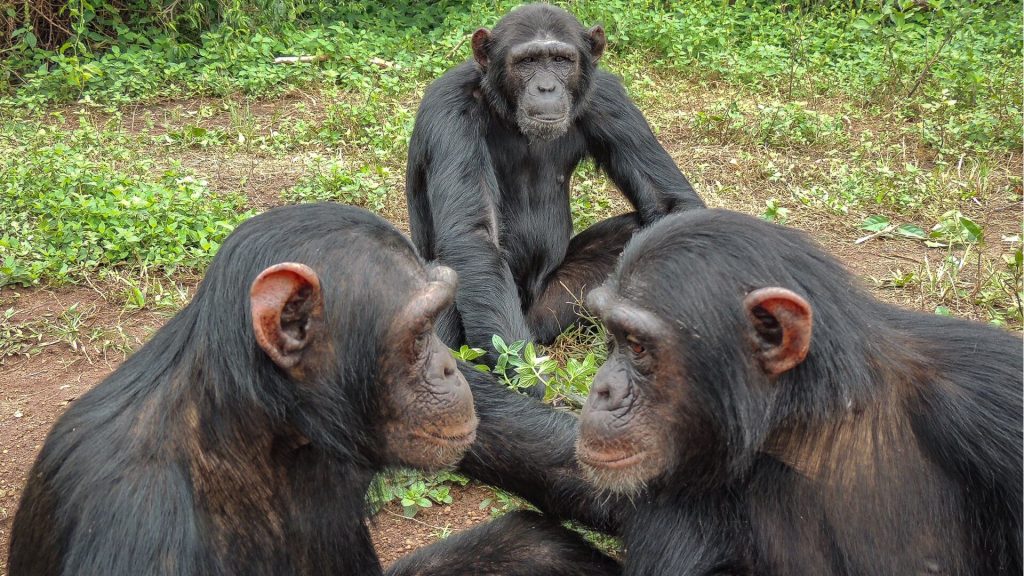
Gombe Stream National Park
Planning Your Multi-Country Safari
How do you effectively combine chimpanzee trekking at Gombe Stream National Park with gorilla trekking in Uganda or Rwanda? The key lies in strategic itinerary planning. Most travelers start in Uganda or Rwanda, trek gorillas, and then continue to Gombe in Tanzania, or vice versa. Flights from Kigoma, the gateway to Gombe, connect efficiently to Entebbe in Uganda or Kigali in Rwanda, minimizing travel time.
Multi-country itineraries require careful coordination of permits, accommodations, and local guides. Experienced safari operators manage logistics such as trekking permits, guided tours, vehicle transfers, and flights, allowing travelers to focus on wildlife and photography. Including buffer days for acclimatization and travel ensures comfort and reduces fatigue. Planning also involves coordinating activities, such as early-morning gorilla trekking followed by chimpanzee trekking in Gombe, or scheduling cultural excursions between safaris. By integrating these destinations into a cohesive plan, travelers create a Tanzania Wildlife Safari that combines adventure, luxury, and conservation-focused experiences seamlessly.
Travel Logistics and Accessibility
What transportation options exist for connecting Gombe with gorilla trekking destinations? Direct flights from Kigoma to Entebbe or Kigali are the most convenient, allowing for minimal time lost in transit. Private charters or domestic flights provide flexible schedules for luxury travelers. Alternatively, adventurous travelers may opt for road travel, though it requires careful planning due to variable road conditions in East Africa.
Once at Gombe, boat access is necessary, as the park is only reachable via Lake Tanganyika. Visitors can choose private speedboats for fast transfers or public lake taxis for a more economical option. In contrast, gorilla trekking parks in Uganda and Rwanda are accessible by road or charter flights, depending on proximity to major cities. Coordinating these logistics ensures smooth connections, allowing travelers to maximize their time in each location while engaging in a full Tanzania Safari and Gorilla Trekking experience without unnecessary delays.
Contrasting Ecosystems: Tropical Forests and Misty Mountains
Why combine Gombe and gorilla trekking? The contrasting ecosystems offer travelers a unique perspective on East Africa’s diverse habitats. Gombe Stream National Park features tropical lakefront forests, steep valleys, and lush vegetation along Lake Tanganyika, ideal for observing chimpanzees and over 200 species of birds. Trails like the Luhanga Trail or visits to Kakombe Waterfall offer both scenic beauty and wildlife observation opportunities.
Gorilla trekking, on the other hand, takes visitors through montane and bamboo forests in misty mountains of Uganda and Rwanda. Dense foliage, volcanic landscapes, and higher altitudes create distinct trekking challenges and panoramic vistas. Experiencing both ecosystems allows travelers to witness primate behavior across different habitats, from playful chimpanzees in tropical forests to gentle mountain gorillas in mist-laden forests. This variation enhances Tanzania Walking Safaris, providing both adventure and profound ecological understanding.
Chimpanzee Trekking in Gombe Stream National Park
What makes chimpanzee trekking in Gombe so exceptional? Guided walks allow visitors to observe habituated chimpanzee communities up close, including the famous Kasakela group studied by Jane Goodall. Treks typically start early in the morning, with small groups led by trained guides to minimize disturbance. Visitors spend up to one hour with the chimps, witnessing vocalizations, playful interactions, and social dynamics in their natural habitat.
Beyond chimpanzees, the forest offers hikes to landmarks like Kakombe Waterfall or Jane’s Peak, which provides panoramic views of Lake Tanganyika and surrounding forests. Other wildlife, including olive baboons, red colobus monkeys, and a variety of birds, enriches the trekking experience. Chimpanzee trekking requires a permit, booked through the Tanzania Wildlife Research Institute (TAWIRI) or licensed operators, ensuring regulated and responsible tourism.
Gombe Walking Safaris: More Than Just Chimpanzees
Walking safaris in Gombe extend beyond chimpanzee tracking. Guides lead visitors along forest trails, waterfalls, and lakefront paths, offering opportunities to spot diverse primates and bird species. Activities include kayaking on Lake Tanganyika, snorkeling in its clear waters, or exploring fishing villages like Mwamgongo to learn local traditions.
All walks emphasize conservation education. Guides provide insight into habitat preservation, threats to wildlife, and community-based conservation efforts. Visitors gain an understanding of chimpanzee behavior, social structures, and the ecological significance of tropical forests. By combining walking safaris with lake activities and cultural experiences, travelers enjoy a holistic Tanzania Walking Safari, blending adventure, education, and leisure in one integrated itinerary.

Gorilla Trekking in Uganda
Gorilla Trekking in Uganda and Rwanda
How does gorilla trekking complement a Gombe safari? Mountain gorilla trekking occurs in Bwindi Impenetrable Forest (Uganda) or Volcanoes National Park (Rwanda), where visitors observe gorilla families in misty, high-altitude forests. Each trek is guided, with small groups ensuring minimal disturbance. Visitors experience gentle gorilla behavior, family bonds, and interactions between silverbacks and infants.
Trekking conditions vary with season, with the dry months (June–September, December–February) offering more accessible trails. Gorilla trekking permits, often $700 per person, include park access and trained guides. Combining gorilla trekking with Gombe chimpanzee trekking allows travelers to contrast ecosystems, observe primates across habitats, and immerse themselves in conservation-focused tourism.
Cultural Experiences Along the Safari Route
Cultural engagement is a highlight of a multi-destination safari. Near Gombe, villages like Mwamgongo offer interactions with local fishermen, craft artisans, and traditional musicians. Coffee plantations near Kigoma provide interactive tours and tastings.
In Uganda and Rwanda, cultural excursions complement gorilla trekking. Travelers may visit Batwa pygmy communities, local craft markets, and engage in traditional music and dance experiences. These activities connect travelers to local livelihoods and conservation efforts, deepening appreciation for the forests and wildlife. Integrating cultural experiences into a Tanzania Safari and Gorilla Trekking itinerary provides a holistic understanding of East African ecology, conservation, and heritage.
Luxury, Mid-Range, and Budget Accommodations
Accommodation selection enhances both comfort and safari experience. In Gombe, options include:
- Luxury: Mbali Mbali Gombe Lodge – secluded tented camp with lake views and private guides.
- Mid-Range: Gombe Forest Lodge – comfortable cottages near the park entrance.
- Budget: Gombe National Park Campsites and guesthouses in Kigoma.
For gorilla trekking:
- Luxury: Bwindi Lodge or Mountain Gorilla View Lodge – panoramic forest views and curated services.
- Mid-Range: Rushaga Gorilla Lodge or Davinic Gorilla Lodge – simple yet comfortable lodging near trek entrances.
- Budget: Buhoma Community Lodge and Rushaga Haven Lodge or Kinigi provide affordable options.
Lodging selection impacts trek preparation, rest between activities, and immersive experiences, ensuring your Tanzania Safaris Holidays remain comfortable, safe, and memorable.
Optimal Time to Visit
When planning a multi-primate safari, seasonality is critical. Gombe’s dry season, from June to October, allows easier trekking and safer trails, while gorilla trekking is best June–September or December–February. Wet seasons provide lush scenery, excellent birdwatching, and fewer tourists, though trails may be slippery. Strategic planning ensures optimal wildlife sightings, comfortable trekking, and favorable photography conditions, maximizing the return on your Tanzania Wildlife Safari investment.
Safety, Permits, and Ethical Guidelines
Both chimpanzee and gorilla treks follow strict guidelines to protect wildlife and visitors. Permits are required, group sizes are limited, and guides enforce rules including maintaining safe distances, wearing masks, and minimizing noise. Armed guides accompany walking safaris for rare security concerns. Understanding these regulations ensures responsible tourism, promotes conservation, and safeguards unique wildlife encounters.
Combining the Two Experiences: What to Expect
By integrating Gombe and gorilla trekking:
- Ecosystem Diversity: Tropical lakefront forests and montane cloud forests provide contrasting landscapes.
- Primate Insights: Observe social hierarchies, feeding patterns, and communication in two species of great apes.
- Adventure Variety: Forest hikes, lake kayaking, and trekking offer dynamic, memorable experiences.
- Conservation Education: Learn about ongoing research, habitat protection, and community-based tourism initiatives.
This combination establishes an unparalleled Tanzania Walking Safari and wildlife adventure for nature enthusiasts, photographers, and conservation-minded travelers.