What Is the Best Time to Visit Mikumi National Park?
Discovering the Best Time to Visit Mikumi National Park for an Unforgettable Tanzania Safari
Exploring the wild heart of Tanzania begins with choosing the perfect time to visit Mikumi National Park. Nestled between the towering Uluguru Mountains and the sweeping plains of southern Tanzania, Mikumi offers travelers a chance to witness nature’s harmony in one of East Africa’s most accessible safari destinations. Whether one seeks the thrill of big game encounters, the serenity of birdwatching, or the cultural richness of nearby villages, the timing of a Tanzania Safari plays a vital role in shaping the experience.
Mikumi National Park’s beauty transforms throughout the year. During the dry months, golden savannahs stretch endlessly, wildlife congregates around shimmering waterholes, and every game drive feels alive with raw adventure. In the wet season, the landscape shifts dramatically, the grasslands turn emerald green, rivers swell, and migratory birds color the skies. This cycle of renewal ensures that no two visits to Mikumi are ever the same, giving travelers a reason to return again and again.
Understanding the best time to visit Mikumi National Park helps travelers plan meaningful Tanzania Safaris holidays that align with their interests. While some prefer crisp mornings filled with wildlife sightings, others find joy in the lush beauty and vibrant energy that the rains bring. The park’s accessibility from Dar es Salaam also makes it a convenient stop for travelers connecting their Tanzania Tour with other iconic destinations such as Ruaha National Park, Udzungwa Mountains, or even a cross-border Tanzania Safari and Gorilla Trekking experience in Uganda or Rwanda.
With expertise and passion, All Budget Gorilla Safaris Ltd brings insight into when and how to experience Mikumi at its finest. This guide explores each season in detail, providing valuable tips for travelers planning their Tanzania Wildlife Safaris, Walking Safaris in Tanzania, or Tanzania Game Drives in Mikumi National Park.
What Is the Best Time to Visit Mikumi National Park?
Dry Season (June to October): The Ultimate Time for Tanzania Wildlife Safaris
The dry season, spanning from June to October, stands as the prime period for wildlife viewing in Mikumi National Park. This is when nature unveils its most dramatic and accessible spectacles. The rainfall fades away, rivers retreat, and waterholes become the heart of survival. During these months, animals such as elephants, zebras, giraffes, and buffaloes gather near the remaining water sources, offering photographers and wildlife enthusiasts’ unmatched opportunities for observation.
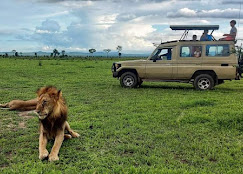
Game drives during this period deliver an extraordinary sense of adventure. The open landscapes, clear skies, and warm sunlight create ideal conditions for long days of exploration. Predators like lions and leopards are more easily spotted as they patrol the plains in search of prey. The thinning vegetation improves visibility, allowing travelers to experience the intensity and intimacy of a true Tanzania Wildlife Safari.
The dry season also marks the peak of Tanzania Safaris Holidays, attracting visitors from around the world. Many choose to combine their Tanzania Tour with visits to other national parks, making Mikumi an ideal stopover for a southern safari circuit. Lodges and camps operate at full capacity, offering diverse experiences such as Tanzania Walking Tours, bush picnics, and sunset drives across the Mkata floodplains.
For travelers seeking predictability, comfort, and exceptional wildlife encounters, this season delivers it all. The roads remain passable, photography conditions are optimal, and the crisp mornings give way to breathtaking golden evenings. Every moment spent in Mikumi during this period captures the timeless rhythm of the African wilderness untamed, vivid, and unforgettable.
July to September: Peak of the Tanzania Safari Adventure
Within the dry season, the months of July to September define the pinnacle of safari activity in Mikumi. This is when the wildlife spectacle intensifies, and every corner of the park seems to echo with the pulse of life. The Mkata floodplain becomes a natural stage where herds of wildebeest, zebras, and elephants gather in dramatic numbers. Lions often rest beneath acacia trees, waiting patiently for their next opportunity, while giraffes move gracefully through the golden grasslands.
Travelers embarking on Tanzania Safaris Holidays during this time experience the classic African safari atmosphere sun-drenched days, cool nights, and endless photographic possibilities. The absence of rain means clear tracks for vehicles, ensuring smooth Tanzania Game Drives and access to remote parts of the park. Visitors can also join early morning Tanzania Walking Safaris, guided by experienced rangers who interpret the subtler signs of the bush, from animal footprints to bird calls.
July to September is particularly rewarding for photographers and filmmakers. The soft morning light enhances every image, and the dry terrain allows for close wildlife interactions. It’s also an excellent time to connect with cultural experiences around Mikumi, such as visiting Maasai communities that share insights into their ancient traditions. These interactions enrich a Tanzania Safari Holiday, creating a deeper connection with the land and its people.
While this period is popular and lodges tend to fill up quickly, early booking ensures access to the finest accommodations, whether luxury camps overlooking the plains or eco-lodges nestled near the park boundary. The atmosphere during these months captures the essence of Africa at its purest, offering an unforgettable chapter in any Tanzania Safari story.
Wet Season (November to February): The Green Paradise of Tanzania Tours
The arrival of rain between November and February transforms Mikumi National Park into a lush, green paradise. For travelers who crave a more tranquil and rejuvenating safari experience, this is the season of renewal. The rains breathe life into the landscape the dusty plains turn vibrant green, rivers flow freely, and flowers bloom across the park. It’s a photographer’s dream, where dramatic skies and mirrored waterholes paint the perfect backdrop for Tanzania Wildlife Safaris.
While animal concentrations may scatter compared to the dry season, this period offers its own magic. It’s the time when newborn animals fill the plains, young impalas take their first steps, zebra foals graze alongside their mothers, and elephants lead their calves through the softened terrain. The abundance of fresh vegetation attracts herbivores, which in turn keeps predators active and visible.
Birdwatchers find this season particularly rewarding. Thousands of migratory birds arrive from Europe and Asia, joining resident species to create a dazzling avian spectacle. Species such as the lilac-breasted roller, African fish eagle, and yellow-billed stork can be seen in abundance. For travelers combining a Tanzania Safari and Gorilla Trekking itinerary, the wet season provides a refreshing contrast of lush landscapes in Tanzania, followed by misty rainforest experiences in Uganda or Rwanda.
Despite occasional showers, travel during this time remains comfortable, and the lower number of visitors ensures more privacy and serenity. The rains typically fall in short, dramatic bursts, often leaving long periods of sunshine perfect for Tanzania Game Drives or Tanzania Walking Tours. For travelers who seek a peaceful and photogenic safari experience, the wet season in Mikumi National Park delivers beauty, renewal, and inspiration.
Shoulder Seasons: The Hidden Gems of Mikumi Safaris
Between the distinct wet and dry seasons lie the transitional months of late May and early November, often referred to as the shoulder seasons. These periods are hidden treasures for those planning a Tanzania Safari Holiday away from the crowds. The weather is mild, landscapes maintain a fresh green hue, and wildlife sightings remain strong as animals adjust to changing conditions.
Late May offers a blend of lingering moisture and emerging dryness. The park glows with fresh vegetation while animals begin to gather near permanent water sources. Early November, on the other hand, often experiences light showers that refresh the environment without hindering travel plans. During these months, Tanzania Walking Safaris become especially rewarding, as the softened earth reveals fresh tracks, and bird activity peaks.
For travelers seeking authenticity and exclusivity, the shoulder seasons provide a perfect balance. Lodges often offer better rates, and the atmosphere feels intimate, with fewer vehicles during Tanzania Game Drives. It’s a period favored by nature lovers, photographers, and those who enjoy observing animal behavior without distractions. The air feels crisp, sunsets are spectacular, and the entire park exudes tranquility.
Cultural experiences during these months also flourish. Visitors can interact with local communities, visit schools, or participate in conservation projects that reflect the spirit of sustainable Tanzania Tours. These encounters deepen understanding and add meaningful layers to a traveler’s safari experience.
Ultimately, the shoulder seasons highlight a truth about Mikumi National Park: every moment spent here, regardless of the month, reveals something new and extraordinary.
Year-Round Appeal: There Is No Bad Time for a Tanzania Safari in Mikumi
One of the most remarkable qualities of Mikumi National Park is its year-round accessibility and consistent wildlife presence. Unlike some destinations where animal migrations dictate travel timing, Mikumi offers wildlife viewing opportunities every month of the year. Elephants, giraffes, lions, hippos, and crocodiles remain residents of the park, ensuring that every Tanzania Safari delivers excitement and discovery.
Even in the midst of rain, the park maintains its charm. The contrast of sunlight and rainclouds creates cinematic skies that photographers adore. Roads are generally passable, and the proximity of Mikumi to Dar es Salaam means travelers can easily plan short Tanzania Tours or weekend escapes. For those on longer Tanzania Wildlife Safaris, Mikumi serves as a vital link between the coastal plains and the rugged interior.
Cultural immersion also remains strong year-round. Visitors can explore nearby Maasai villages, learn traditional dances, or witness local artisans crafting beadwork and fabrics. These experiences transform a Tanzania Safari Holiday from a simple wildlife encounter into a deeper cultural journey.
Adventure seekers often combine Tanzania Walking Safaris in Mikumi with excursions to Udzungwa Mountains, known for their waterfalls and primates, or extend their itinerary northward toward the Serengeti. Each combination tells a unique story of Tanzania’s diverse wildlife, landscapes, and people living in harmony.
In every season, Mikumi’s essence remains constant: it’s a place where nature thrives, where travelers connect deeply with the wilderness, and where the rhythm of life beats to the timeless drum of Africa.
Cultural and Experiential Highlights: Enhancing Your Tanzania Safari Holiday
A Tanzania Safari in Mikumi goes beyond animal sightings, it’s an immersion into heritage, tradition, and the heartbeat of local culture. Around the park, visitors can engage with the Maasai, one of Africa’s most iconic tribes. These cultural visits often include storytelling sessions, traditional dances, and opportunities to learn about the Maasai’s pastoral way of life.
In addition, travelers can visit the nearby village of Mikumi, where local markets burst with color and life. Fresh produce, handmade crafts, and friendly smiles reflect the authenticity of Tanzanian hospitality. Participating in community experiences supports local livelihoods and fosters sustainable Tanzania Tours that benefit both travelers and residents.
For those seeking adventure, Tanzania Walking Tours reveal another side of Mikumi its smaller wonders. Guided by experienced rangers, travelers learn to identify plants, insects, and animal tracks while enjoying close-up encounters with wildlife in a controlled, respectful manner. Evening Tanzania Game Drives open a window into the nocturnal world, where hyenas call across the plains, and owls glide silently through the night.
Combining wildlife encounters with cultural immersion ensures that every visitor experiences the full soul of Tanzania its nature, people, and traditions interwoven into one unforgettable story.
Planning Your Ideal Tanzania Safari to Mikumi National Park
Determining the best time to visit Mikumi National Park depends on personal interests, but the beauty of this destination lies in its versatility. From the golden, wildlife-filled plains of the dry season to the emerald vibrance of the rains, Mikumi welcomes travelers year-round with open arms.
For classic wildlife adventures, June to October remains ideal. For birdwatching, photography, and serenity, November to February offers unmatched rewards. And for balanced experiences without crowds, the shoulder months of May and November provide exclusivity and affordability.
Each season paints Mikumi with a different brush, each unique, each captivating. Whether one seeks thrilling Tanzania Game Drives, peaceful Tanzania Walking Safaris, or an inspiring Tanzania Safari and Gorilla Trekking combination, this park offers the perfect canvas for unforgettable memories.
With decades of expertise and deep-rooted passion, All Budget Gorilla Safaris Ltd invites travelers to explore Mikumi National Park as more than a destination; it’s a journey into Africa’s untamed heart, a timeless adventure where nature, culture, and exploration unite in perfect harmony.