Tanzania Cultural Experiences
Why Tanzania Cultural Experiences Enhance Your Safari
A Tanzania Safari offers more than incredible wildlife encounters; it provides a deep immersion into East Africa’s rich cultural heritage. Beyond the sweeping plains of the Serengeti and the dramatic landscapes of the Ngorongoro Crater, travelers can engage with indigenous tribes, explore historic towns, and witness centuries-old traditions. Cultural experiences in Tanzania transform a typical Tanzania Wildlife Safari into a multi-dimensional journey, blending wildlife viewing with human stories.
Visiting communities such as the Maasai, Hadzabe, and Datoga introduces travelers to pastoralist, hunter-gatherer, and artisan lifestyles that have persisted for centuries. Towns like Stone Town in Zanzibar and villages such as Mto Wa Mbu reveal the country’s diversity, where over 120 tribes coexist and share their unique heritage. Walking tours in cities, participation in cooking classes, and attending vibrant festivals allow travelers to witness Tanzania’s living culture firsthand. Incorporating cultural exploration into a Tanzania Safari Holiday provides a holistic experience, balancing adventure, wildlife, and meaningful human interactions.
Tanzania Cultural Experiences
Cultural Encounters with Indigenous Tribes
Maasai: Guardians of the Savannah
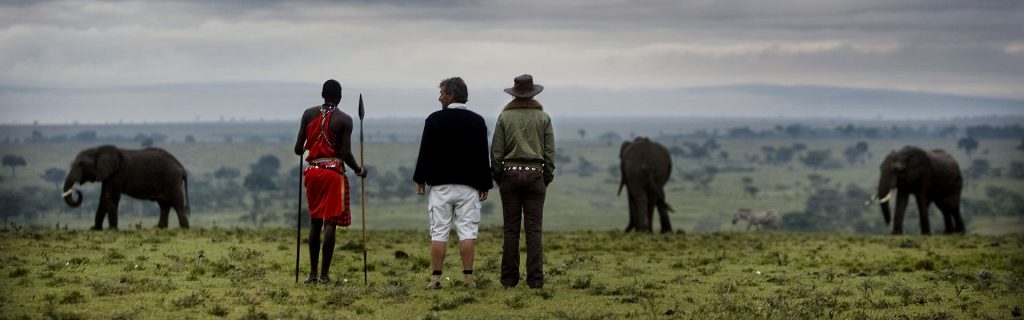
The Maasai, one of East Africa’s most iconic tribes, inhabit regions near northern circuit parks, including Serengeti and Tarangire. Visiting Maasai villages offers firsthand insight into their pastoral traditions, including livestock herding, ceremonial dances, and intricate beadwork. Travelers can participate in traditional jumping dances, learn how bead patterns convey social messages, and understand their symbiotic relationship with the surrounding wildlife.
Cultural interactions with the Maasai often include guided village walks, where local guides explain daily routines, social structures, and historical knowledge. Staying at nearby lodges or safari camps may provide further immersion, including visits to local markets or participation in cooking sessions using traditional ingredients. A Tanzania Safari and Gorilla Trekking adventure can be enhanced by Maasai encounters, linking savannah wildlife experiences with vibrant cultural narratives. Travelers gain deeper appreciation for the communities coexisting alongside Tanzania’s iconic wildlife, creating meaningful connections that extend beyond game drives and photo opportunities.
Hadzabe: Africa’s Last Hunter-Gatherers
At Lake Eyasi, the Hadzabe tribe presents one of the continent’s most authentic and ancient cultural experiences. This hunter-gatherer community speaks a click-based language and survives through traditional hunting and foraging techniques. Visitors can observe their daily routines, tracking small game with bows and arrows, gathering edible plants, and preparing communal meals over open fires.
Hadzabe experiences offer walking tours in the bush guided by tribe members, showcasing survival skills and traditional knowledge passed through generations. Travelers also witness rituals and songs reflecting spiritual connections with nature. Incorporating a Hadzabe visit into a Tanzania Walking Tour or Tanzania Wildlife Safari complements wildlife adventures by providing insight into human adaptation within savannah and forest ecosystems. The experience emphasizes sustainability and respect for indigenous ways of life, adding profound depth to cultural and safari itineraries.
Datoga: Blacksmithing and Artisan Traditions
Also located around Lake Eyasi, the Datoga tribe is renowned for blacksmithing skills and metal craftsmanship. Visitors can watch artisans forge tools, create jewelry, and craft traditional weapons, learning techniques preserved over centuries. Datoga communities offer engaging demonstrations where travelers may try their hand at crafting under expert guidance.
Cultural immersion with the Datoga includes visiting homesteads, understanding tribal social structures, and exploring daily life centered on pastoralism and craft-making. These interactions make Tanzania Cultural Tours deeply personal and educational, highlighting the ingenuity and creativity of indigenous communities. Lodges near Lake Eyasi often integrate Datoga experiences with birdwatching excursions and sunset views over the lake, enhancing the Tanzania Safari Holiday with both natural and cultural richness.
Mto Wa Mbu: A Melting Pot of Tribes
Mto Wa Mbu village provides a unique cross-cultural experience, hosting over 120 tribes within a single community. Travelers can explore diverse farming practices, local markets, and artisanal workshops while engaging with residents who preserve distinct languages, costumes, and traditions.
Walking tours through Mto Wa Mbu reveal the village’s vibrant energy, where visitors witness agricultural techniques, sample traditional foods, and participate in cultural activities. Culinary experiences include preparing ugali, pilau, or local vegetable dishes, often guided by resident cooks. A Tanzania Walking Safari in this area combines human heritage with the surrounding natural environment, allowing travelers to understand how local communities coexist with nearby national parks. Incorporating Mto Wa Mbu into a Tanzania Safari Holiday provides variety, connecting wildlife adventures with tangible cultural insights.
Historic and Archaeological Sites
Stone Town, Zanzibar: UNESCO Heritage and Swahili Culture
Stone Town on Zanzibar Island is a treasure trove of history and culture. With its narrow alleys, carved wooden doors, and bustling markets, it reflects centuries of Swahili, Arab, and European influences. Travelers can explore historical landmarks such as the House of Wonders, the old fort, and spice markets.
Cultural experiences in Stone Town include guided walking tours, culinary classes featuring local spices, and music performances highlighting taarab traditions. This complements any Tanzania Tour, offering a mix of urban exploration and immersive storytelling. Stone Town’s coastal location allows travelers to combine cultural experiences with beach leisure, snorkeling, or eco-tours in Jozani Forest, making it an ideal extension of Tanzania Safari Holidays.
Olduvai Gorge: The Cradle of Humankind
For archaeology enthusiasts, Olduvai Gorge provides a profound connection to human history. This UNESCO World Heritage site has yielded fossils of early hominins, including the famous “Nutcracker Man.” Guided tours explain the significance of these discoveries and the methods used in paleoanthropology.
Visiting Olduvai Gorge offers an educational dimension to a Tanzania Safari, linking modern wildlife landscapes with the deep history of human evolution. Travelers can combine this visit with nearby safari activities, such as Tanzania Game Drives in Serengeti or Ngorongoro, creating a comprehensive tour that connects past and present.
Kilwa Ruins: Medieval Coastal Heritage
The Kilwa Ruins on Tanzania’s southern coast provide insight into Swahili trade networks during the medieval period. Travelers explore mosques, palaces, and fortifications while learning about trade in gold, ivory, and spices. These ruins complement Tanzania Cultural Tours, offering a historical layer to safari itineraries and illustrating the region’s long-standing maritime significance.
Urban, Community, and Festival Experiences
Local Markets and City Walking Tours
Urban experiences in Arusha, Dar es Salaam, and other towns provide authentic glimpses into daily Tanzanian life. Local markets teem with fresh produce, crafts, and textiles, offering vibrant photographic opportunities. Guided city walks explore architecture, historical landmarks, and urban traditions.
These experiences enhance Tanzania Walking Tours, enabling travelers to observe the interplay between urban life, agriculture, and local economies. Participating in community projects or volunteering at cultural centers can create lasting impacts for both visitors and local residents, making a Tanzania Safari Holiday socially responsible and deeply engaging.
Festivals, Music, and Culinary Traditions
Tanzania’s festivals highlight the country’s rich cultural diversity. The Sauti za Busara Music Festival in Zanzibar celebrates East African music, while the Tulia Traditional Dance Festival showcases indigenous dance forms. Travelers can also participate in cooking classes to learn dishes such as ugali, pilau, and coconut-based recipes, connecting culinary skills with cultural heritage.
Incorporating festivals into a Tanzania Safari enriches the overall experience, combining music, dance, and local gastronomy with wildlife and nature exploration. Lodges and safari camps often offer tailored experiences, from guided village visits to interactive workshops, ensuring travelers gain meaningful cultural insights alongside their Tanzania Wildlife Safari adventures.
Integrating Culture into Tanzania Safaris
A Tanzania Safari and Gorilla Trekking experience transcends typical wildlife viewing by incorporating rich cultural interactions, historical exploration, and immersive learning opportunities. From tribal encounters with Maasai, Hadzabe, and Datoga communities to visits to Stone Town, Olduvai Gorge, and Mto Wa Mbu, every journey becomes a tapestry of wildlife, history, and human connection. Walking safaris, guided tours, and participation in festivals provide depth and context, creating a holistic travel experience.
For travelers seeking a balance between adventure, education, and meaningful engagement, Tanzania’s cultural offerings complement Tanzania Safari Holidays, Tanzania Walking Safaris, and Tanzania Wildlife Safaris. Engaging with local communities, understanding historical legacies, and learning traditional skills ensure that each safari leaves a lasting impression, reinforcing Tanzania’s reputation as a premier destination for both wildlife and cultural tourism.