The Best Time to Visit Arusha National Park
Exploring Arusha National Park on a Tanzania Safari Adventure
Every Tanzania Safari begins with an invitation to step into a world where nature’s rhythm dictates every moment. Arusha National Park, nestled at the base of the majestic Mount Meru, is one of Tanzania’s most versatile safari destinations. The park blends volcanic peaks, dense forests, crater lakes, and open savannahs into one remarkable landscape that captures the very essence of Tanzania Safaris. It offers visitors a perfect balance of adventure, tranquility, and breathtaking scenery, making it an ideal destination for both first-time travelers and seasoned explorers.
The question that many travelers often ask before planning their Tanzania Wildlife Safari is: When is the best time to visit Arusha National Park? The answer depends on the type of experience you wish to enjoy. Whether you dream of witnessing animals gathering at waterholes during the dry season, walking beneath lush canopies during the green season, or photographing flamingos against shimmering lakes, Arusha National Park offers rewarding experiences all year round.
Unlike the vast plains of Serengeti or the deep caldera of Ngorongoro, Arusha National Park provides a more intimate safari experience. Here, travelers enjoy Walking Safaris in Tanzania, canoeing adventures on the Momella Lakes, scenic Tanzania Game Drives, and breathtaking Mount Meru hikes. Each activity changes with the seasons, making it essential to understand the park’s climatic variations to plan your perfect Tanzania Safari Holiday.
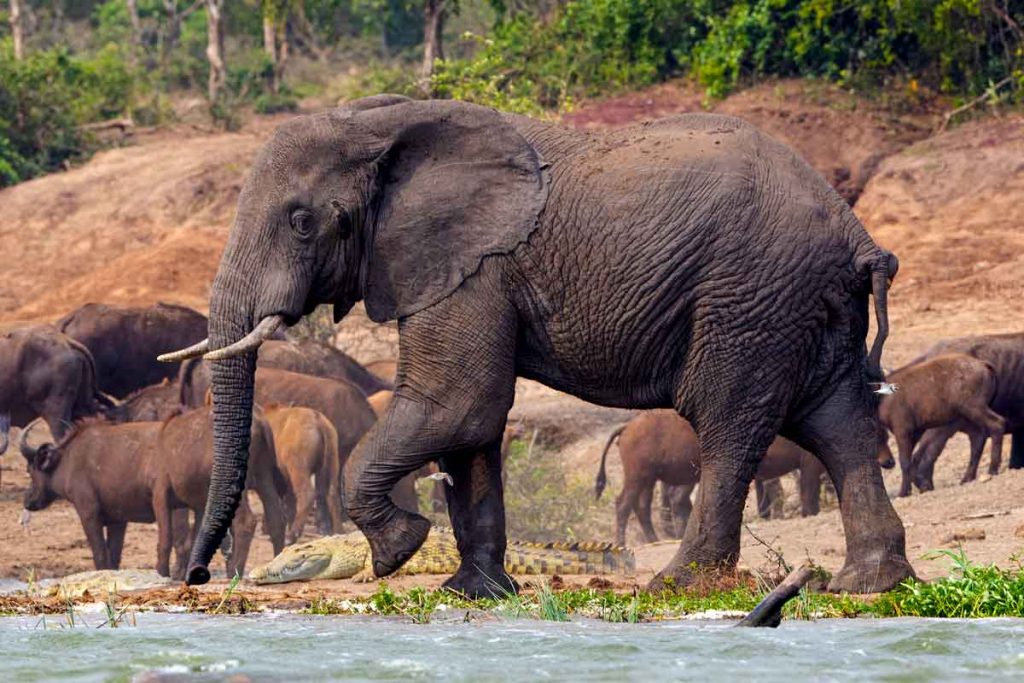
The Best Time to Visit Arusha National Park
Understanding the Climate of Arusha National Park
Tanzania’s Equatorial Charm and Seasonal Rhythms
Arusha National Park lies in northern Tanzania, close to the equator, giving it a pleasant, moderate climate year-round. The park sits at an altitude ranging from 1,400 to 4,500 meters, creating distinct microclimates within its diverse landscapes. While some regions feel cool and misty, others remain warm and sunlit. This variation makes Tanzania Tours in Arusha uniquely comfortable throughout the year.
However, two main seasons define the park’s rhythm: the dry season and the wet season. Each period offers a unique safari atmosphere, influencing wildlife behavior, and vegetation, accessibility, and photography opportunities. For travelers planning Tanzania Safaris Holidays, understanding these seasonal contrasts helps ensure that each moment in Arusha National Park aligns with personal travel goals, whether that means tracking wildlife, hiking volcanic slopes, or capturing colorful birdlife.
Dry Season (June to October) – The Ultimate Tanzania Safari Experience
Prime Wildlife Viewing During the Dry Months
The dry season, which stretches from June to October, is widely regarded as the best time to visit Arusha National Park for classic wildlife viewing. During this period, water sources become scarce across the region, causing animals to congregate around the park’s lakes and rivers. The thinner vegetation improves visibility, offering travelers uninterrupted views of Tanzania’s iconic wildlife.
Giraffes, zebras, buffaloes, and elephants wander freely across the plains, while colobus and blue monkeys leap between forest canopies. Predators like leopards, though elusive, can sometimes be seen resting in the shaded trees. Walking safaris during this period are particularly rewarding, as guides lead travelers along clear trails where wildlife sightings are frequent and close.
For visitors seeking a true Tanzania Wildlife Safari, this season provides perfect conditions for Tanzania Game Drives, allowing uninterrupted movement through dry, firm roads. The Ngurdoto Crater and the surrounding forests come alive with wildlife activity, and the sparkling Momella Lakes host gatherings of flamingos, pelicans, and herons.
Weather Conditions During the Dry Season
Between June and October, Arusha National Park enjoys bright, sunny days with cool mornings and evenings. Daytime temperatures average between 21°C and 26°C, while night temperatures can drop to 10°C, especially in higher altitudes near Mount Meru. The cool air makes outdoor adventures, such as Tanzania Walking Tours and Mount Meru treks, comfortable and refreshing.
Travelers can enjoy crisp visibility for photography, especially during early mornings when sunlight filters through misty forests. These conditions also favor long-distance hikes and panoramic views across northern Tanzania, extending as far as Mount Kilimanjaro on clear days. For those who seek an invigorating safari holiday without the challenge of muddy roads or heavy rains, the dry season remains unmatched.
Advantages and Considerations
The dry season coincides with Tanzania’s peak tourism months. Visitors can expect higher accommodation rates and increased park activity. However, booking with professional operators like All Budget Gorilla Safaris Ltd ensures access to midrange or budget-friendly lodges without compromising the quality of your Tanzania Safari experience.
While crowds gather in popular parks like Serengeti, Arusha National Park offers a quieter, more personal setting. Travelers can enjoy guided Tanzania Walking Safaris, canoe trips, and nature photography without the rush typical of larger reserves. The balance between accessibility and tranquility makes this park a preferred choice for those seeking authentic, crowd-free Tanzania Safari Holidays.
Wet Season (November to May) – The Green Heart of Arusha National Park
The Lush Transformation of the Landscape
The wet season brings life and renewal to Arusha National Park. Stretching from November to May, this period transforms the dry savannahs into vibrant green fields, where flowers bloom and forests grow dense and lush. For photographers, the contrast between emerald landscapes and misty mountain backdrops creates mesmerizing compositions.
During these months, rainfall typically occurs in short, heavy showers, often in the afternoons. The rest of the day remains bright and pleasant, allowing travelers to continue with activities such as Tanzania Walking Safaris, canoeing, and Tanzania Game Drives. The green season is particularly ideal for birdwatching, as migratory species arrive from Europe and Asia, joining resident populations to fill the skies with color and song.
Wildlife Behavior and Birdwatching Opportunities
While some large mammals disperse during the rains, wildlife viewing remains excellent. Giraffes, warthogs, buffaloes, and zebras still roam the plains, while colobus monkeys continue their acrobatics in the canopy. The wet season also marks the birthing period for many herbivores. Visitors may witness young impalas, waterbucks, and buffalo calves learning to navigate their surroundings, a heartwarming sight for any Tanzania Wildlife Safari enthusiast.
The Momella Lakes become a birdwatcher’s paradise, hosting thousands of flamingos, pelicans, and egrets. With over 400 bird species recorded, Arusha National Park offers endless birding adventures during this season. For travelers seeking serenity, the fewer tourist numbers create a sense of exclusive exploration, allowing uninterrupted connection with nature’s rhythm.
Weather and Photography Advantages
The wet season’s moderate temperatures range between 18°C and 25°C, creating a comfortable climate for walking safaris and hikes. The dramatic interplay of sunlight and rain clouds enhances photography, offering brilliant contrasts and reflections across the lakes. Those who enjoy capturing the vibrancy of African nature will find this time of year especially rewarding.
However, some park roads may become muddy or slippery during March, April, and May, the peak of the long rains. Travelers are advised to use guided Tanzania Tours with 4×4 vehicles to ensure smooth navigation. Despite occasional showers, the wet season provides affordable lodging rates, fewer crowds, and an unparalleled sense of wilderness intimacy.
Shoulder and Transitional Periods – Balancing Both Worlds
Clear Skies and Excellent Trekking Conditions
Between December and February, the weather balances between the long rains and the dry season. This transitional period is often described as the golden window for Mount Meru trekking. Clear skies reveal spectacular views of Mount Kilimanjaro and the surrounding landscapes, while trails remain relatively dry and accessible.
During this period, wildlife remains active, and birdwatching continues to flourish. The air is crisp, the vegetation is moderately green, and the photography conditions are outstanding. Visitors combining Tanzania Walking Safaris with Tanzania Game Drives can enjoy the best of both worlds—lush scenery without excessive rainfall.
Wildlife, Scenery, and Safari Value
January and February bring bursts of new life as many animals give birth. Calves, foals, and young primates explore under the watchful eyes of their parents, creating heartwarming safari moments. The landscapes remain scenic, with blooming flora and shimmering lakes enhancing the park’s beauty.
Travelers benefit from moderate accommodation rates, fewer tourists, and ideal weather for outdoor adventures. For those planning Tanzania Safari Holidays, this is a perfect time to combine Arusha National Park with other destinations like Tarangire, Ngorongoro, or Serengeti, maximizing both wildlife and cultural experiences in one Tanzania Tour.
Cultural Experiences Around Arusha National Park
Exploring Local Heritage Beyond the Wilderness
A complete Tanzania Safari is not only about wildlife; it’s also about connecting with Tanzania’s rich cultural heritage. Around Arusha National Park, several local communities offer immersive experiences that complement your safari adventure.
Travelers can visit Maasai villages, where traditional dances, storytelling, and handicrafts reveal centuries of preserved culture. Learning about Maasai pastoralism, beadwork, and community structure deepens appreciation for Tanzania’s cultural diversity. Guests may also participate in local cooking sessions, sample traditional dishes, and learn Swahili greetings from community members.
Nearby coffee plantations provide additional insight into Tanzania’s agricultural economy. Visitors can tour coffee farms, witness roasting processes, and enjoy freshly brewed cups while overlooking Mount Meru’s slopes. These experiences add depth to your Tanzania Safari Holiday, transforming it into a cultural and educational journey.
Photography, Adventure, and Unique Safari Combinations
Creating Lasting Memories Through Tanzania Safaris
Arusha National Park provides exceptional photography opportunities throughout the year. From mist-covered mountains and reflective lakes to dramatic wildlife scenes, every frame captures the raw beauty of Tanzania. Professional photographers and beginners alike can benefit from soft morning light and golden sunsets that illuminate the park’s natural textures.
For adventurers, combining Walking Safaris in Tanzania with canoeing, trekking, and wildlife drives provides a holistic safari experience. Each day brings a new rhythm, one moment you’re gliding across a lake among flamingos, and the next, hiking through montane forests surrounded by ancient trees.
Travelers seeking extended adventures can combine Arusha National Park with other Tanzania Wildlife Safaris across the northern circuit. Those who wish to add a primate experience can continue westward for Tanzania Safari and Gorilla Trekking, linking with Uganda or Rwanda for a cross-border East African expedition.
Choosing the Perfect Time for Your Arusha Safari
Every season in Arusha National Park offers something unique, ensuring that travelers can tailor their Tanzania Safari Holidays to personal preferences. The dry season guarantees optimal wildlife viewing and comfortable trekking, while the wet season enhances scenery, birdlife, and tranquility. Transitional months bring balance, clear skies, moderate rainfall, and active wildlife.
Arusha National Park remains one of Tanzania’s hidden gems, a destination where adventure meets serenity, and culture blends with wilderness. Whether exploring on foot, paddling across lakes, or ascending volcanic slopes, travelers find unmatched beauty in every corner.
For those planning their next Tanzania Safari, All Budget Gorilla Safaris Ltd provides expertly curated itineraries that combine adventure, culture, and comfort. From walking safaris and game drives to cultural tours and photography expeditions, each journey is designed to connect travelers with the heart of Africa.
Ultimately, the best time to visit Arusha National Park depends on your travel goals, but every season promises discovery, wonder, and memories that last a lifetime.