Walking Safari in Gombe National Park
Walking Safari in Gombe National Park
Embarking on a Walking Safari in Gombe National Park provides an unparalleled opportunity to explore Tanzania’s pristine forest ecosystem while observing chimpanzees and other primates in their natural habitat. Unlike traditional game drives, walking safaris allow visitors to experience the forest up close, engaging all senses with the sounds, smells, and textures of the rainforest. How can a walking safari enhance your Tanzania Safari experience compared to vehicle-based tours? Walking through the dense greenery provides intimate glimpses into animal behaviors, forest ecology, and hidden landmarks. Guided walks, led by experienced rangers, ensure safe encounters with wildlife and provide expert knowledge about conservation and forest biodiversity. Visitors gain insights into chimpanzee social structures, vocalizations, and interactions that cannot be observed from a vehicle. Additionally, a walking safari promotes low-impact tourism, allowing travelers to tread lightly while connecting deeply with the environment, creating memories that extend beyond typical safari adventures.
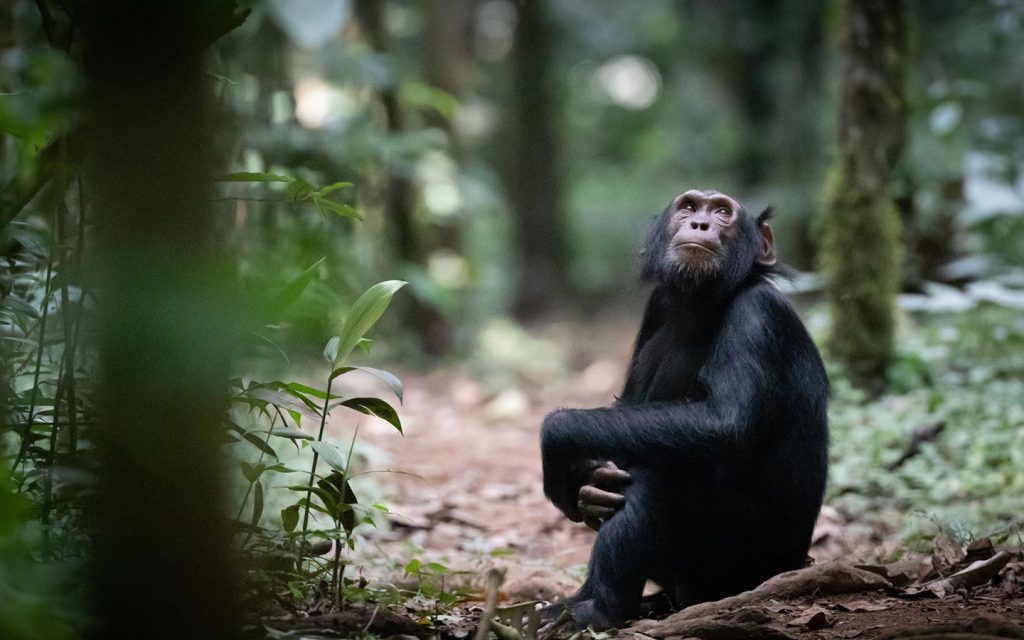
Great Apes of Africa
Chimpanzee Trekking: The Heart of Gombe Walking Safaris
At the core of every Gombe Stream Tanzania Safari lies chimpanzee trekking, the primary reason travelers flock to this forested sanctuary. Guided walks begin early in the morning, when chimpanzees are most active, allowing visitors to witness their playful behaviors, family bonds, and intricate communication patterns. How do these guided treks ensure a responsible wildlife experience? Small groups are limited to maintain minimal disturbance, and visitors spend no more than one hour with each chimpanzee community. This balance preserves the animals’ natural behavior while offering travelers an unforgettable, immersive encounter. The dry season, spanning June through October and December to January, provides the most favorable conditions for trekking, with trails firm and easier to navigate. However, chimpanzees may move deeper into the forest in search of food, requiring patience and a sense of adventure. Beyond chimpanzees, guides share knowledge of the forest’s other inhabitants, including olive baboons, red colobus monkeys, and over 200 bird species, enhancing the walking safari’s educational and experiential value.
Exploring Gombe’s Scenic Trails and Landmarks
Beyond chimpanzee trekking, a Walking Safari in Tanzania allows you to discover Gombe’s hidden gems, from waterfalls to panoramic viewpoints. The Kakombe Waterfall trail leads through dense vegetation and moss-covered rocks, culminating in a serene cascade ideal for photography and reflection. Another highlight, Jane’s Peak, provides sweeping vistas over Lake Tanganyika and the forest canopy, offering a sense of scale and connection to the region’s geography. How can walkers balance wildlife observation with scenic exploration? Guides craft itineraries that incorporate both encounters with animals and visits to natural landmarks, ensuring a holistic forest experience. Along these trails, travelers may spot red-tailed monkeys leaping through the trees, listen to the melodic calls of tropical birds, or observe insects and plant species endemic to the area. These walking tours integrate both adventure and education, making Gombe Stream National Park a premier destination for those seeking Tanzania Wildlife Safaris that combine movement, observation, and conservation awareness.
Booking, Permits, and Responsible Travel
To participate in chimpanzee trekking, visitors must secure permits and adhere to strict regulations designed to protect both wildlife and humans. How does the permit system enhance the sustainability of Tanzania Safari Holidays? Foreign non-residents pay $150 per trekking session, which includes park entry and services of a trained ranger. Booking through licensed operators or the Tanzania Wildlife Research Institute (TAWIRI) ensures availability and maintains regulated visitor numbers. There are minimum age requirements—participants must be at least 15 years old—to ensure safety and reduce stress on the chimpanzees. Additionally, strict behavioral protocols must be followed: maintaining a minimum distance of seven meters from primates, avoiding loud noises or sudden movements, and wearing a face mask to prevent disease transmission. Armed guides accompany all walking safaris as a precautionary measure, though encounters with dangerous wildlife rarely require intervention. By following these rules, visitors actively contribute to the park’s conservation efforts while enjoying a safe and respectful experience.
Preparing for Your Gombe Walking Safari
Preparation is essential to maximize comfort and enjoyment on a Tanzania Walking Tour in Gombe National Park. What should travelers bring to ensure an optimal experience? Clothing should consist of lightweight, breathable fabrics in neutral colors, including long-sleeved shirts and trousers to protect against insects and thorny vegetation. Sturdy hiking boots are necessary for navigating slippery or steep trails. Additional essentials include insect repellent, sunscreen, a wide-brimmed hat, binoculars, a camera with a zoom lens, and a daypack with snacks and water. Guides often advise carrying a refillable water bottle to remain hydrated, particularly during longer treks. By preparing thoughtfully, visitors can focus entirely on wildlife observation and forest immersion rather than dealing with discomfort or equipment limitations. Luxury lodges and mid-range accommodations within or near the park provide further support, offering curated itineraries, guided tours, and cultural experiences that complement trekking activities, enhancing both Tanzania Safari and Gorilla Trekking experiences.
Combining Gombe Walking Safaris with Other Tanzania Safari Destinations
Many travelers integrate a Walking Safari in Gombe National Park with broader Tanzanian wildlife safaris to maximize their African adventure. How can Gombe be combined with destinations like Serengeti, Ngorongoro, or Mahale Mountains? Multi-destination itineraries typically begin in Kigoma, where visitors can access Gombe via boat, and continue to Tanzania’s iconic safari parks for game drives, walking safaris, and hot air balloon experiences. Combining chimpanzee trekking with large savannah game viewing allows tourists to experience both forest and plains ecosystems, observing primates, lions, elephants, and giraffes within a single trip. Luxury and mid-range lodges provide transport arrangements, personalized guides, and flexible schedules, ensuring smooth transitions between destinations. This approach appeals to travelers seeking a full-spectrum Tanzania Safari Holiday, blending intimate forest encounters with classic savannah wildlife experiences and optional cultural immersion, such as visiting local villages or participating in artisanal workshops near lodges.