What is the Best Time to Do a Walking Safari in Serengeti National Park?
Walking Safaris in the Heart of Tanzania
A Walking Safari in Serengeti National Park provides a truly immersive experience for wildlife enthusiasts seeking a closer connection with nature. Unlike traditional game drives, walking safaris allow travelers to engage directly with the landscape, observe animal tracks, and understand ecological patterns. The Serengeti, spanning over 14,000 square kilometers of savannahs, acacia woodlands, and kopjes, supports an incredible diversity of wildlife, including lions, leopards, elephants, and vast herds of wildebeest. Travelers often ask: When is the best time to do a walking safari in the Serengeti? Timing depends on wildlife behavior, vegetation density, and weather patterns, all of which influence the overall safari experience.
A Tanzania Walking Safari not only offers thrilling wildlife encounters but also integrates cultural experiences, such as visiting Maasai villages and engaging with local communities. Guided by expert rangers, visitors gain insights into animal tracking, birdwatching, and the role of predators in this complex ecosystem. Walking safaris also complement Tanzania Safari Holidays, combining game drives, hot air balloon experiences, and immersive exploration on foot. Choosing the right season ensures maximum enjoyment, safety, and unforgettable memories during your Tanzania Wildlife Safari.
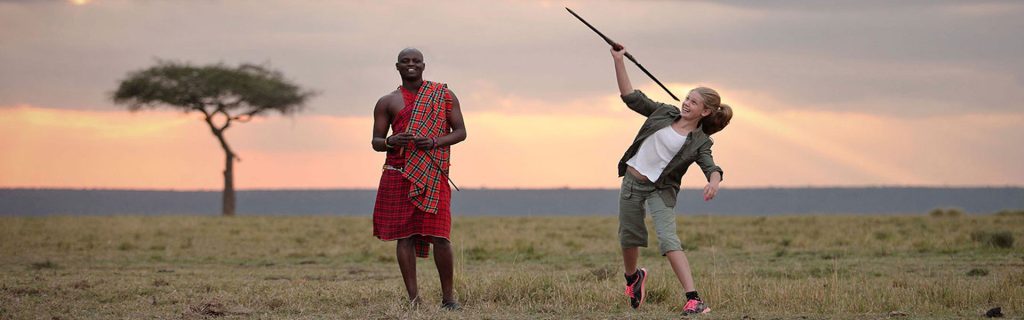
Tanzania Safari
Dry Season (June to October): Optimal Time for Walking
The dry season is widely regarded as the best period for a Walking Safari in Serengeti National Park. From July to October, the weather is cooler, rainfall is minimal, and vegetation becomes less dense, making wildlife spotting easier and safer. This period coincides with the most dramatic segments of the Great Migration, including the iconic Mara River crossings, which can often be witnessed from specific walking safari routes under expert supervision.
Walking through the park during this season offers clear, unobstructed views of predators stalking prey and herds grazing in open plains. Animals tend to congregate near rivers and waterholes, increasing the likelihood of sightings. In the northern Serengeti, near the Mara River, walkers may observe wildebeest, zebras, and elephants in their natural habitat, while later in the season, central areas with rolling hills and kopjes provide excellent opportunities for tracking leopards and observing lions. The dry conditions also make walking more comfortable, with cooler morning temperatures allowing longer treks.
Guided Tanzania Walking Tours during this season often include detailed explanations of animal behavior, tracking techniques, and the ecological significance of predator-prey dynamics. For photographers and nature enthusiasts, the clear skies, dramatic landscapes, and active wildlife create exceptional conditions. Beyond wildlife, visitors can also explore nearby Maasai communities to understand traditional lifestyles, craftwork, and ceremonies, enhancing the cultural richness of a Tanzania Safari Holiday.
Green Season (November to May): A Serene Alternative
While the dry season attracts crowds, the green season offers a tranquil and visually stunning alternative for walking safaris. From November to May, the Serengeti transforms into a lush, green paradise. Vegetation flourishes, rivers swell, and the plains host abundant birdlife and smaller wildlife species. For travelers seeking a quieter experience and closer interaction with nature, the green season provides ideal conditions for Tanzania Walking Safaris and birdwatching excursions.
Late January to February marks the calving season in the southern Serengeti and Ndutu plains. During this period, thousands of wildebeest calves are born, drawing predators such as lions, cheetahs, and hyenas. Observing newborns and predator activity on foot creates an intimate, dramatic safari experience. The lush landscapes also provide excellent opportunities for photography, with vibrant green plains, flowering trees, and reflective waterholes enhancing the visual appeal.
Fewer tourists during the green season result in more personalized safari experiences. Lodges and tented camps often offer lower rates, making this period ideal for budget-conscious travelers seeking high-quality Tanzania Safaris Holidays. Walks are generally guided carefully to ensure safety and wildlife encounters while allowing visitors to appreciate smaller ecological details such as bird species, insects, and plant diversity. Travelers can also combine walking safaris with cultural interactions, exploring Maasai villages or learning about local conservation efforts in the Serengeti ecosystem.
Key Considerations for Timing your Walking Safari
Selecting the best time for a Walking Safari in Serengeti National Park depends on several factors, including wildlife behavior, vegetation, climate, and personal interests. During the dry season, game drives and walking tours are more productive due to open visibility and animal concentrations near water sources. In contrast, the green season emphasizes serene landscapes, fewer tourists, and unique experiences such as the calving season and abundant birdlife.
Following animal movements is essential for a rewarding walking safari. Experienced guides track predator-prey interactions and migratory patterns to plan daily walks safely. Travelers must also consider personal preferences: Do they seek the thrill of Mara River crossings, the quiet beauty of green plains, or the spectacle of the calving season? These choices influence both the route and the timing of Tanzania Walking Safaris.
Integrating cultural experiences adds depth to a walking safari. Maasai villages near walking routes allow travelers to engage with local traditions, songs, dances, and pastoral lifestyles. Visitors also learn about traditional medicinal plants, sustainable livestock practices, and local conservation efforts. This holistic approach combines adventure, education, and immersion, ensuring that every step of the walk strengthens the connection between travelers, wildlife, and Tanzanian heritage.
Combining Walking Safaris with Tanzania Safari Holidays
A Walking Safari in Serengeti National Park complements broader Tanzania safari itineraries. Many travelers combine walking excursions with traditional Tanzania Game Drives, hot air balloon tours, and visits to neighboring parks such as Ngorongoro Crater, Tarangire, and Lake Manyara. Such combinations maximize wildlife encounters and cultural experiences.
Walking safaris provide a unique perspective on the Serengeti ecosystem. Unlike vehicle-based safaris, they allow travelers to notice tracks, burrows, and smaller species that often go unseen. Early morning and late afternoon walks offer opportunities to observe animals’ daily routines, from grazing patterns to predator-prey interactions. These experiences enhance storytelling during Tanzania Wildlife Safaris, creating lasting memories and enriching travel narratives for photography and personal reflection.
Lodges and camps supporting walking safaris often offer additional services such as evening cultural performances, bush dinners, and interactive sessions with conservationists. These elements make Tanzania Safari Holidays more immersive, blending adventure, education, and local culture seamlessly.
Planning Your Perfect Walking Safari
The best time for a Walking Safari in Serengeti National Park depends on your goals. Dry season visitors benefit from excellent wildlife visibility, cooler temperatures, and iconic migration events. Green season travelers enjoy lush scenery, fewer crowds, and intimate calving season encounters. Regardless of the season, every walking safari promises memorable wildlife sightings, immersive cultural experiences, and expert-guided exploration.
At All Budget Gorilla Safaris, we design walking safari itineraries that combine safety, adventure, and authenticity. From tracking lions and observing wildebeest migrations to engaging with Maasai communities and exploring the intricate ecosystems of the Serengeti, our goal is to deliver unforgettable Tanzania Safari Holidays. Walking safaris offer travelers a direct connection with nature, creating meaningful experiences that redefine the essence of African wildlife exploration.