Best Tanzania Walking Safari
Best Tanzania Walking Safari
Why Choose a Tanzania Walking Safari?
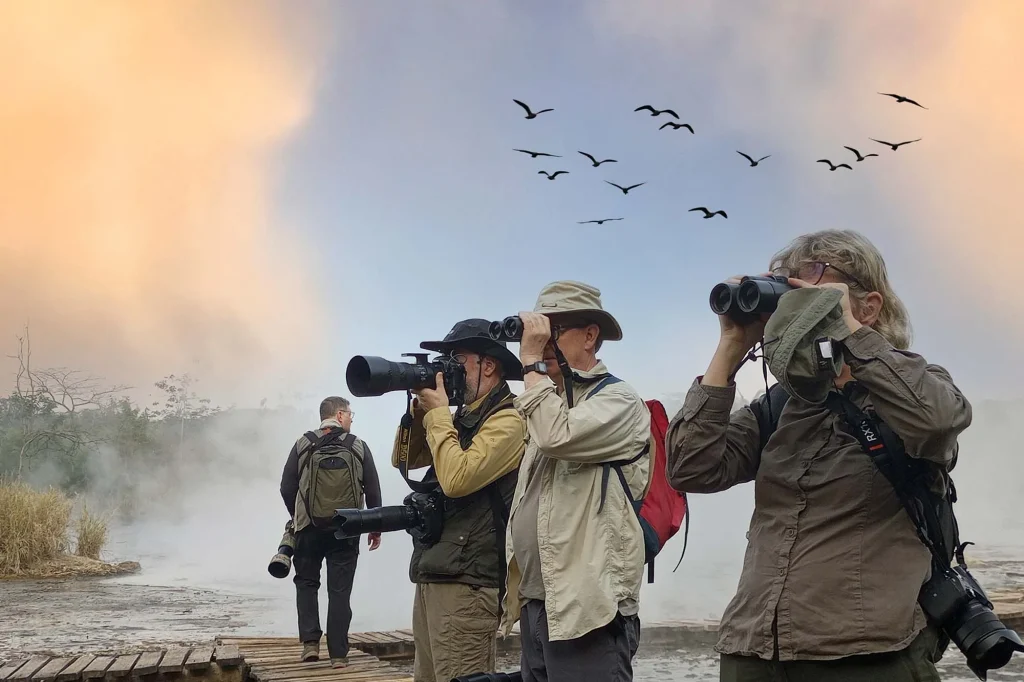
Tanzania Walking Safaris offer a completely different way to experience Africa’s wilderness, moving beyond traditional game drives and vehicle-based observation. On foot, travelers engage all senses, observing the intricate details of the bush, from hidden tracks to subtle wildlife behaviors. Walking safaris provide intimate encounters with nature, revealing small creatures, unique plants, and ecological interactions that often go unnoticed on a 4×4 safari. Expert guides and armed rangers accompany visitors, ensuring safety while providing educational insights into the ecosystem.
Walking safaris also allow cultural immersion near safari lodges and camps, connecting travelers with local communities, traditions, and lifestyle practices. For instance, visiting Maasai villages, witnessing beadwork, and participating in traditional dances can complement wildlife exploration. By combining adventure, education, and cultural experiences, a Tanzania Walking Safari delivers a holistic and unforgettable safari experience. These tours suit travelers seeking both active engagement and meaningful understanding of Tanzania’s wildlife and human landscapes, offering unmatched insight into Tanzania Safari Holidays and Tanzania Wildlife Safaris.
Best Tanzania Walking Safari
Top Destinations for the Best Tanzania Walking Safari
Ruaha National Park: Remote Wilderness and Wildlife Immersion
Ruaha National Park, Tanzania’s largest protected area, ranks among the best destinations for walking safaris. Its vast, rugged landscape includes open savannahs, riverine forests, and rocky outcrops, creating a dynamic environment for tracking wildlife on foot. Walking through Ruaha provides an immersive experience, allowing visitors to follow elephant herds, lions, and other predators along the Great Ruaha River. The dry season, from July to October, offers the best conditions as wildlife gathers near dwindling water sources, making encounters more predictable and rewarding.
Beyond wildlife, walking safaris in Ruaha reveal hidden ecological details such as termite mounds, bird calls, and plant adaptations. Multi-day walks with fly camping allow guests to remain immersed in the wilderness overnight, observing nocturnal animals and experiencing the sounds of the African bush. Cultural experiences are also part of the journey, with opportunities to engage with nearby communities, learning about traditional coexistence with wildlife and bushcraft practices. Ruaha demonstrates how a Tanzania Walking Safari offers adventure, education, and exclusivity.
Nyerere National Park: Southern Circuit Adventure and Wildlife Diversity
Formerly known as Selous Game Reserve, Nyerere National Park presents a vast, less-crowded environment ideal for walking safaris. Its diverse terrain, encompassing rivers, woodlands, and grassy plains, provides a rich ecosystem for exploration. Walking here allows travelers to experience wildlife closely, tracking lions, leopards, and the elusive African wild dog. The Rufiji River provides a scenic route for walks, with hippos, crocodiles, and abundant birdlife enhancing the sensory experience.
Nyerere’s size ensures a quieter, more private safari, emphasizing wildlife observation and educational insights into the ecosystem. Rangers provide expert instruction on reading animal tracks, recognizing feeding signs, and identifying medicinal plants. Multi-day walking safaris with fly camping immerse guests in the landscape, creating unparalleled intimacy with nature. The combination of active exploration, ecological insight, and cultural encounters makes Nyerere a premier destination for travelers seeking the ultimate Tanzania Walking Safari or Tanzania Wildlife Safari experience.
Tarangire National Park: Iconic Landscapes and Elephant Walks
Tarangire National Park offers a distinct walking safari environment, famed for its giant baobab trees and massive elephant herds. Walking safaris along the Tarangire River and its savannahs provide intimate encounters with elephants and other wildlife from a safe distance. Seasonal variations make the dry season ideal, as water sources attract animals, increasing the likelihood of observing large herds and predator activity.
Walking in Tarangire emphasizes mindfulness, observation, and ecological understanding. Guides focus on smaller creatures, bird species, and signs of animal behavior, allowing travelers to notice details missed on vehicle tours. Cultural experiences near Tarangire lodges include Maasai village visits, where travelers learn about pastoralist traditions, participate in traditional dances, and engage in beadwork workshops. Combining wildlife and cultural immersion ensures a holistic Tanzania Walking Safari experience. Tarangire exemplifies how walking tours provide adventure, learning, and a connection to Tanzania’s rich natural heritage.
Arusha National Park: Convenient Walking Adventures
Arusha National Park offers walking safari options near the city of Arusha, making it accessible for shorter or introductory experiences. This park combines volcanic landscapes, Momella Lakes, and diverse ecosystems for engaging walks. Travelers may encounter giraffes, Cape buffaloes, and various bird species, while the Momella Lakes provide striking scenery for photography and observation.
Walking in Arusha emphasizes interaction with nature, teaching participants tracking skills and ecological observation. Guided walks focus on plant identification, smaller wildlife, and birdwatching, creating a more detailed safari experience. Cultural experiences near Arusha lodges allow travelers to interact with local communities, explore traditional markets, and learn culinary or handicraft techniques. These immersive activities complement walking safaris, enhancing understanding of Tanzania Wildlife Safaris and delivering an accessible, memorable adventure for visitors of all ages.
Serengeti National Park: Migration-Based Walking Safaris
The Serengeti restricts walking to designated wilderness zones and private concessions, yet these areas provide unparalleled trekking opportunities. Multi-day walking safaris follow the paths of the great migration, offering a mobile base camp experience that moves with wildlife herds. Armed rangers ensure safety while teaching guests to read tracks, droppings, and other ecological signs.
Walking through Serengeti wilderness zones allows travelers to observe predator-prey interactions and smaller ecological details often missed on game drives. This immersive approach fosters deeper appreciation of the ecosystem, connecting travelers to the rhythms of the African bush. Some lodges near migration routes integrate cultural experiences, such as visiting Maasai communities or attending local celebrations. Walking in Serengeti demonstrates how Tanzania Walking Tours can combine adventure, education, and cultural immersion in a unique, active safari.
Tips for Planning Your Best Tanzania Walking Safari
Choosing the right timing is essential for walking safaris. For example, Ruaha’s dry season offers predictable wildlife patterns and optimal visibility. Partnering with expert guides ensures safety and educational value, as they teach tracking, bird identification, and ecological principles. Embracing the intimate pace of walking safaris allows travelers to notice animal behaviors, plant species, and other details often missed during game drives. Multi-day walks with mobile camps enhance immersion, while cultural interactions with local communities deepen the safari experience. Following these guidelines ensures a safe, engaging, and unforgettable Tanzania Walking Safari, combining adventure, learning, and meaningful connection with wildlife and people alike.