Tanzania Safari from the US – Explore Africa’s Wildlife in 2026-2027
Why Embark on a Tanzania Safari from the US?
Planning a Tanzania Safari from the US for 2026-2027 opens the door to unforgettable wildlife experiences across Africa’s most iconic national parks. Every safari promises breathtaking landscapes, thrilling wildlife encounters, and immersive cultural experiences that engage travelers of all ages. Departing from major US hubs such as New York, Los Angeles, Chicago, or Miami, travelers can access international flights to Tanzanian gateways like Kilimanjaro International Airport (JRO) or Julius Nyerere International Airport (DAR).
Tanzania offers more than wildlife. Tanzania Wildlife Safaris immerse visitors in experiences that combine Tanzania Walking Tours, guided Tanzania Game Drives, and cultural visits to local communities around safari lodges. From the Serengeti plains to the Ngorongoro Crater, each destination provides opportunities to witness the legendary Great Migration, tree-climbing lions, and vast elephant herds. Tailor-made itineraries from trusted US-based or international tour operators ensure travelers enjoy Tanzania Safari Holidays that match their budget, travel style, and interests while maintaining safety and comfort.
Tanzania Safari from the US – Explore Africa’s Wildlife 2026-2027
Choosing Your Safari Style – What Are the Options for US Travelers?
Determining the right safari style is essential when planning a Tanzania Safari from the US. Luxury safaris offer fly-in options to exclusive lodges, private guides, and bespoke experiences. These itineraries prioritize comfort, privacy, and exclusivity while delivering unparalleled wildlife encounters. Mid-range safaris blend comfort with value, providing well-appointed lodges or tented camps, small group tours, and knowledgeable guides who can organize both walking safaris and game drives.
Budget and group tours remain a popular choice for US travelers seeking affordability without compromising quality. These options often include shared accommodations, communal meals, and guided tours of iconic parks like the Serengeti and Ngorongoro. Tailor-made itineraries allow travelers to combine Tanzania Safari and Gorilla Trekking, beach extensions in Zanzibar, or short Kilimanjaro treks. By selecting a tour style aligned with personal preferences, US tourists can maximize wildlife encounters while enjoying cultural experiences near each safari lodge, including Maasai village tours, coffee farm visits, and traditional dance performances.
Selecting Key Tanzania Safari Destinations – Where Should You Go?
Choosing destinations is central to planning a Tanzania Safari from the US. The Serengeti National Park is essential, offering vast plains teeming with wildlife and the dramatic Great Migration, where millions of wildebeest, zebras, and predators traverse endless savannas. The Ngorongoro Crater, a UNESCO World Heritage site, features dense wildlife populations within its volcanic caldera, including the rare black rhino and lions in close proximity, perfect for Tanzania Wildlife Safaris.
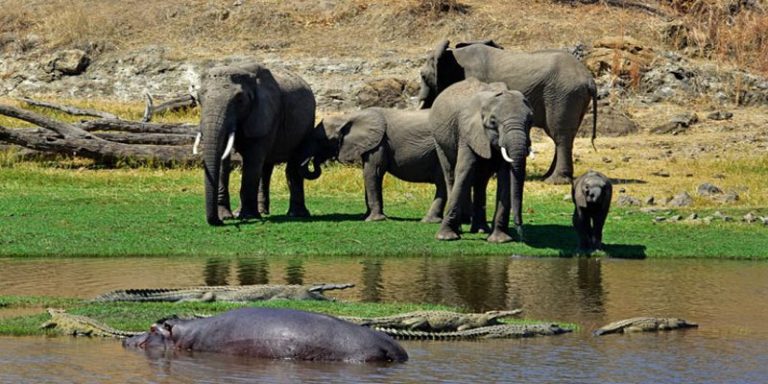
Tarangire National Park is renowned for its massive elephant herds, striking baobab trees, and abundant birdlife, making it ideal for walking safaris or photography enthusiasts. Lake Manyara National Park offers unique tree-climbing lions and a rich diversity of flamingos, while southern destinations like Nyerere National Park (formerly Selous) provide secluded wilderness experiences with boating safaris and walking tours. Each park offers cultural interactions near lodges, such as meeting local tribes, sampling traditional foods, and understanding conservation initiatives, enriching the Tanzania Safari Holidays experience.
Booking Your Safari – How Can US Travelers Plan Efficiently?
Booking a Tanzania Safari from the US for 2026-2027 requires research to ensure reliable operators and safe travel experiences. Leading safari specialists like All Budget Gorilla Safaris Ltd offer comprehensive packages, including flights, accommodations, park fees, guided tours, and optional activities like beach stays in Zanzibar or Mount Kilimanjaro treks.
US travelers can compare packages through platforms like SafariBookings.com, which list verified operators, provide customer reviews, and allow travelers to filter itineraries by budget, style, and park selection. Direct contact with tour operators helps customize itineraries, add walking safaris, private game drives, and cultural experiences around each lodge. Early booking is recommended for peak months to secure fly-in options and popular lodges. By planning carefully, travelers can design a Tanzania Safari Holiday that delivers both adventure and comfort, ensuring each day creates lasting memories.
Timing Your Safari – When Is the Best Period to Travel?
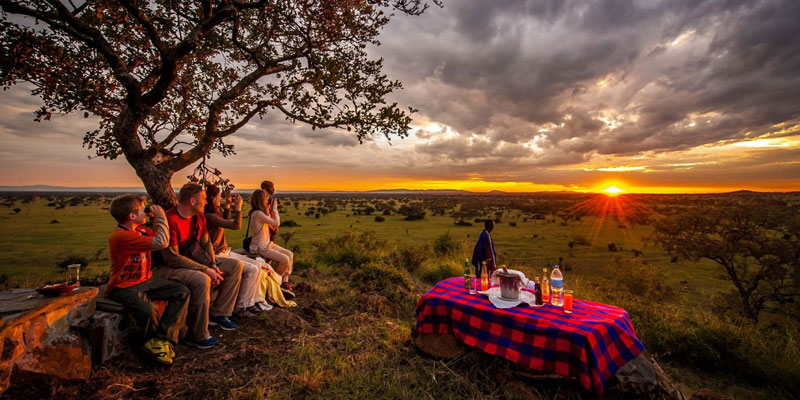
Timing greatly impacts wildlife sightings on a Tanzania Safari from the US. The dry season, from June to October, is ideal for viewing the Great Migration and other wildlife, as animals gather near water sources. Photographers benefit from clear skies, dramatic lighting, and predictable animal movements. This period is also perfect for Tanzania Game Drives and Tanzania Walking Safaris, allowing travelers to observe predators, large herds, and iconic landscapes safely.
The “green season,” during long rains from April to May, offers lush scenery, newborn wildlife, and fewer crowds. Some remote areas may be less accessible, but walking safaris and lodge-based experiences remain viable. Short rains in November-December allow US travelers to witness calving season in areas like Ndutu, providing a unique predator-prey viewing opportunity. Choosing the right timing ensures the Tanzania Safari Holiday meets wildlife, adventure, and photographic expectations while avoiding unnecessary logistical challenges.
Logistics and Travel Preparation – What Do US Travelers Need to Know?
Organizing a Tanzania Safari from the US involves attention to flights, visas, vaccinations, and health preparations. International flights typically arrive at Kilimanjaro International Airport for northern parks or Julius Nyerere International Airport for southern destinations. US citizens require a visa, which can be applied for online through Tanzania’s e-Visa portal, or obtained on arrival at major airports.
Vaccinations, including yellow fever and routine immunizations, are recommended, along with malaria prophylaxis for areas at risk. Travelers should pack lightweight, breathable clothing in neutral colors suitable for both walking safaris and game drives, along with warm layers for early mornings and evenings. Insect repellent, sun protection, and a good camera complete the essentials. Comprehensive travel insurance is highly recommended to cover emergencies, cancellations, or unexpected changes, ensuring the Tanzania Safari Holiday proceeds smoothly and safely.
Tanzania Safari from the US – Explore Africa’s Wildlife 2026-2027
Experiencing Culture Around Safari Lodges – How to Engage Locally?
Cultural experiences near safari lodges elevate a Tanzania Safari from the US beyond wildlife encounters. Many lodges organize visits to Maasai villages, where travelers can observe traditional rituals, learn beadwork techniques, and participate in storytelling sessions. Coffee farms and spice plantations near Serengeti and Ngorongoro offer hands-on learning about sustainable agriculture, local cuisine, and conservation initiatives.
These experiences complement Tanzania Walking Safaris by providing context about human-wildlife coexistence, the importance of local traditions, and the community-led conservation projects. Chinese, American, or other international travelers can also enjoy cooking classes, craft workshops, or guided tours of local schools. These cultural activities make the Tanzania Safari Holiday an educational journey, offering insights into African heritage while supporting sustainable tourism and local communities.
Budget Considerations – How Much Should US Travelers Expect to Spend?
The cost of a Tanzania Safari from the US varies depending on accommodation, park selection, and tour style. Budget options start at $150–$250 per day for group camping safaris with shared amenities. Mid-range lodges, offering private guides, enhanced comfort, and small group tours, typically cost $300–$600 per day. Luxury lodges, fly-in safaris, and private game drives can range from $700–$1,200+ per day, providing personalized experiences, fine dining, and exclusive wildlife encounters.
All-inclusive packages usually cover meals, park entry fees, guided game drives, and internal transfers. Optional activities like Zanzibar beach extensions or Kilimanjaro climbs incur additional costs. US travelers can tailor their Tanzania Safari Holiday to match interests, ensuring wildlife, cultural immersion, and adventure are delivered while staying within budget. Experienced operators offer transparent pricing, allowing travelers to plan confidently.
Why a Tanzania Safari from the US Is Unforgettable
A Tanzania Safari from the US in 2026-2027 promises world-class wildlife encounters, dramatic landscapes, and cultural enrichment. From the Serengeti plains to the Ngorongoro Crater and Tarangire’s elephant herds, each park offers unforgettable moments. Walking safaris, guided Tanzania Game Drives, and cultural visits near lodges ensure every day immerses travelers in adventure and learning.
US travelers of all budgets can select group tours, mid-range lodges, or luxury fly-in experiences. Optional extensions to Zanzibar or Mount Kilimanjaro add further adventure. This comprehensive journey blends wildlife, culture, and relaxation, providing a Tanzania Safari Holiday that becomes a lifelong memory. Are you ready to explore Africa’s wilderness and embark on the ultimate Tanzania Safari from the US?