How Many National Parks Are in Western Uganda?
How Many National Parks Are in Western Uganda? Overview of Western Uganda’s National Parks
How Many National Parks Are in Western Uganda? Overview of Western Uganda’s National Parks. Western Uganda is renowned for its rich biodiversity, lush landscapes, and remarkable wildlife. This region, often referred to as the “Pearl of Africa,” boasts several national parks that are integral to Uganda’s conservation efforts and tourism industry. Each park offers unique experiences and contributes significantly to the ecological balance and cultural heritage of Uganda. This write-up provides a detailed overview of the national parks in Western Uganda, highlighting their distinctive features and significance.
How Many National Parks Are in Western Uganda?
Bwindi Impenetrable National Park
Bwindi Impenetrable National Park is located in the southwestern region of Uganda, bordering the Democratic Republic of Congo. The park spans approximately 331 square kilometers and is part of the larger Virunga Conservation Area, which extends into Rwanda and the DRC.
Biodiversity and Ecosystems
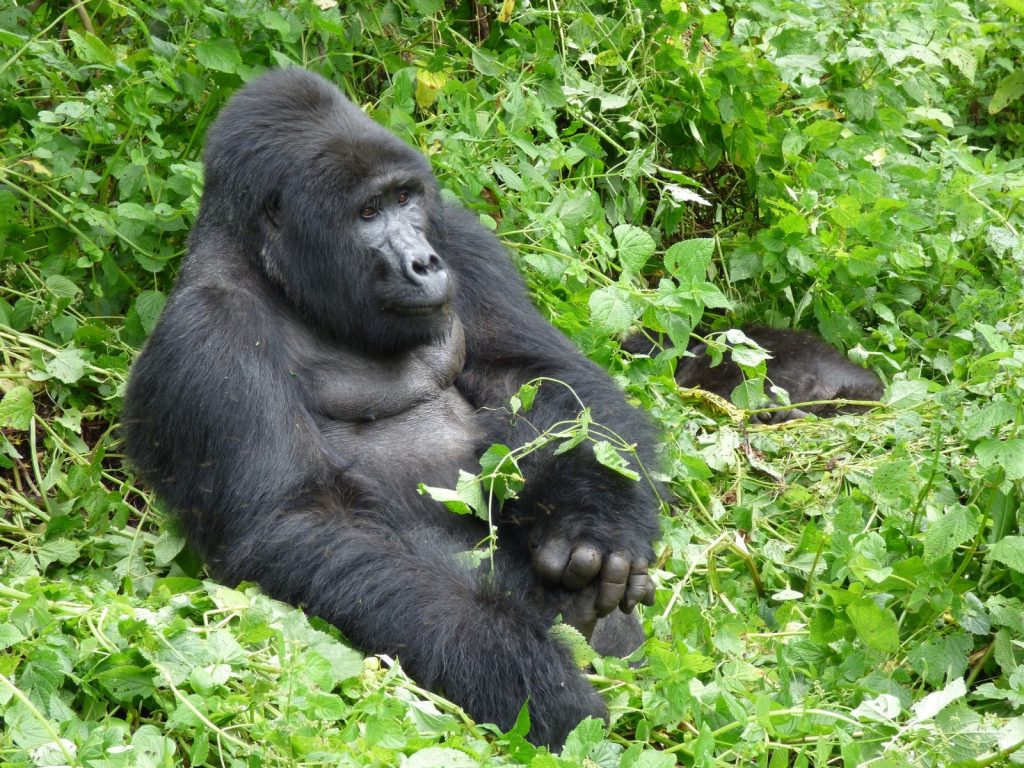
Renowned for its dense rainforest, Bwindi is one of the most biologically diverse areas in Africa. It is home to nearly half of the world’s remaining mountain gorillas, making it a critical site for gorilla conservation. The park’s forest is a haven for a variety of species, including over 120 mammal species, more than 350 bird species, and a wide range of butterflies and plant species.
Tourism and Activities
Bwindi is best known for its gorilla trekking experiences. Guided treks through the dense forest offer visitors the rare opportunity to observe mountain gorillas in their natural habitat. The park also features several other trails, such as the Munyanga and Buhoma trails, that provide a chance to explore the rich flora and fauna.
Conservation Efforts
Conservation in Bwindi focuses on protecting the mountain gorillas and their habitat. The park’s management collaborates with local communities to promote sustainable practices and reduce human-wildlife conflict. The revenue generated from tourism is reinvested into conservation projects and community development.
Queen Elizabeth National Park
Queen Elizabeth National Park is situated in the western part of Uganda, near the border with the Democratic Republic of Congo. It covers an area of approximately 1,978 square kilometers, making it Uganda’s second-largest national park.
Biodiversity and Ecosystems
The park is characterized by a diverse range of ecosystems, including savanna, wetlands, and forested areas. It supports a rich array of wildlife, including over 95 mammal species, such as elephants, lions, and hippos. The park is also home to over 600 bird species, making it a premier destination for birdwatching enthusiasts.
Tourism and Activities
Queen Elizabeth National Park offers a variety of activities, including game drives, boat cruises on the Kazinga Channel, and nature walks. The park’s unique feature is its tree-climbing lions, which are found in the Ishasha sector. Visitors can also explore the Kyambura Gorge, known for its chimpanzee tracking opportunities.
Conservation Efforts
Conservation in Queen Elizabeth National Park focuses on habitat preservation and managing human-wildlife interactions. The park’s management works to mitigate the impact of poaching and encroachment, and collaborates with local communities to promote eco-friendly practices.
Rwenzori Mountains National Park
Rwenzori Mountains National Park is located in southwestern Uganda, on the border with the Democratic Republic of Congo. The park covers an area of approximately 1,000 square kilometers and encompasses the Rwenzori Mountain Range, also known as the “Mountains of the Moon.”
Biodiversity and Ecosystems
The park is renowned for its alpine and montane ecosystems. It is home to a diverse range of plant and animal species, including rare and endemic species such as the Rwenzori turaco and the giant heather. The park’s higher elevations are covered in glaciers and snow, creating a dramatic landscape.
Tourism and Activities
Rwenzori Mountains National Park is a prime destination for mountaineering and trekking. The park offers several trekking routes, including the challenging Rwenzori trekking circuit, which takes visitors through pristine forests, moorlands, and glacial lakes. The park’s unique landscapes and diverse flora make it a haven for nature lovers and adventure seekers.
Conservation Efforts
Conservation in Rwenzori Mountains National Park focuses on protecting the park’s fragile ecosystems and mitigating the effects of climate change. The park’s management works to address issues such as deforestation and habitat degradation and promotes sustainable tourism practices.
Kibale National Park
Kibale National Park is situated in southwestern Uganda, adjacent to Queen Elizabeth National Park. It covers an area of approximately 795 square kilometers and is known for its tropical rainforest.
Biodiversity and Ecosystems
Kibale is one of the most important sites for primate conservation in Africa, with over 13 species of primates, including the endangered chimpanzees. The park is also home to a variety of mammals, birds, and plant species. Its diverse habitats range from rainforest to grasslands.
Tourism and Activities
Kibale National Park is renowned for chimpanzee tracking, offering visitors the chance to observe these intelligent primates in their natural habitat. The park also features several nature trails and opportunities for birdwatching, as well as night walks to spot nocturnal wildlife.
Conservation Efforts
The park’s conservation efforts focus on protecting primate species and their habitats. The management works to address issues such as poaching and habitat loss and collaborates with local communities to promote conservation awareness and sustainable practices.
Mgahinga Gorilla National Park
Mgahinga Gorilla National Park is located in southwestern Uganda, on the border with Rwanda and the Democratic Republic of Congo. The park covers an area of approximately 33 square kilometers and is part of the larger Virunga Conservation Area.
Biodiversity and Ecosystems
Mgahinga is known for its montane forest and volcanic landscapes. It is home to the endangered mountain gorillas and several other primate species, as well as a variety of birds and plant species. The park’s volcanic terrain includes the three prominent peaks of the Virunga Volcanoes.
Tourism and Activities
Mgahinga offers gorilla trekking experiences similar to those in Bwindi. Additionally, visitors can explore the park’s volcanic terrain through hiking trails, including the Sabinyo and Muhavura peaks. The park also provides opportunities for golden monkey tracking.
Conservation Efforts
Conservation in Mgahinga focuses on protecting mountain gorillas and their habitat. The park’s management works closely with local communities and international organizations to address conservation challenges and promote sustainable tourism.
Conclusion
Western Uganda’s national parks are treasures of biodiversity and natural beauty. From the dense rainforests of Bwindi to the alpine landscapes of the Rwenzori Mountains, each park offers unique experiences and plays a crucial role in conservation. The dedicated efforts to protect these natural resources ensure that future generations will continue to benefit from and appreciate the extraordinary wildlife and landscapes of Western Uganda.
Mubwindi Swamp in Bwindi
Excusive Rwanda Gorilla Trekking, Chimpanzee, & Wildlife Tour Packages
- 5 Days Remarkable Rwanda Safari
- 5 Days Rwanda Wildlife & Gorilla Trekking Safari
- 6 Days Remarkable Rwanda Safari
- 10 Days Rwanda Encounter
- 4 Days Gorilla Trek by Helicopter
- 11 Days Across Rwanda safari
- 15 Days Remarkable Rwanda
- 5 Days Akagera Wildlife Safari
- 2 Days Rwanda Gorilla Tour
- 4 Days Rwanda Gorilla Trek Safari
- 5 Days Rwanda Gorilla Safari
- 4 Days Flying Gorilla Trek
- 4 Days Rwanda Wildlife & Gorilla Safari
- 9 Days Rwanda Primate Safari
- 6 days Rwanda gorillas
- 7 Days Gorilla & Village Visits
- 6 Days Volcano Nyungwe Rwanda Safari
- 8 Days Akagera & Volcanoes by Helicopter
- 9 Days Ultimate Rwanda Luxury Trip