Kilimanjaro National Park: A Premier Tanzania Safari Adventure
Kilimanjaro National Park: A Premier Tanzania Safari Adventure
Why Kilimanjaro National Park Is a Must-Visit
A Kilimanjaro National Park Tanzania Safari offers a unique combination of breathtaking landscapes, diverse ecosystems, and world-class adventure. Travelers often ask: Why should Kilimanjaro feature on my Tanzania Safari itinerary? Mount Kilimanjaro, Africa’s highest peak, dominates the park and provides both climbers and nature enthusiasts with extraordinary experiences. From lush montane forests to stark alpine deserts and icy summits, this park showcases East Africa’s ecological diversity in one location. Beyond climbing, visitors can engage in Tanzania Walking Safaris, day hikes, and wildlife viewing, as well as cultural encounters in local Chagga villages surrounding the mountain. The park is accessible from Moshi, making it a convenient addition to broader Tanzania Safari Holidays or even extended adventures that combine Kilimanjaro with Serengeti or Ngorongoro Crater safaris.
Kilimanjaro’s uniqueness lies in its stratified ecosystems, which allow visitors to experience multiple climates and habitats within a single day. Whether embarking on a challenging summit trek, taking guided walking tours in Tanzania, or enjoying wildlife spotting on lower slopes, Kilimanjaro National Park is a destination that satisfies both adventure and wildlife tourism interests.
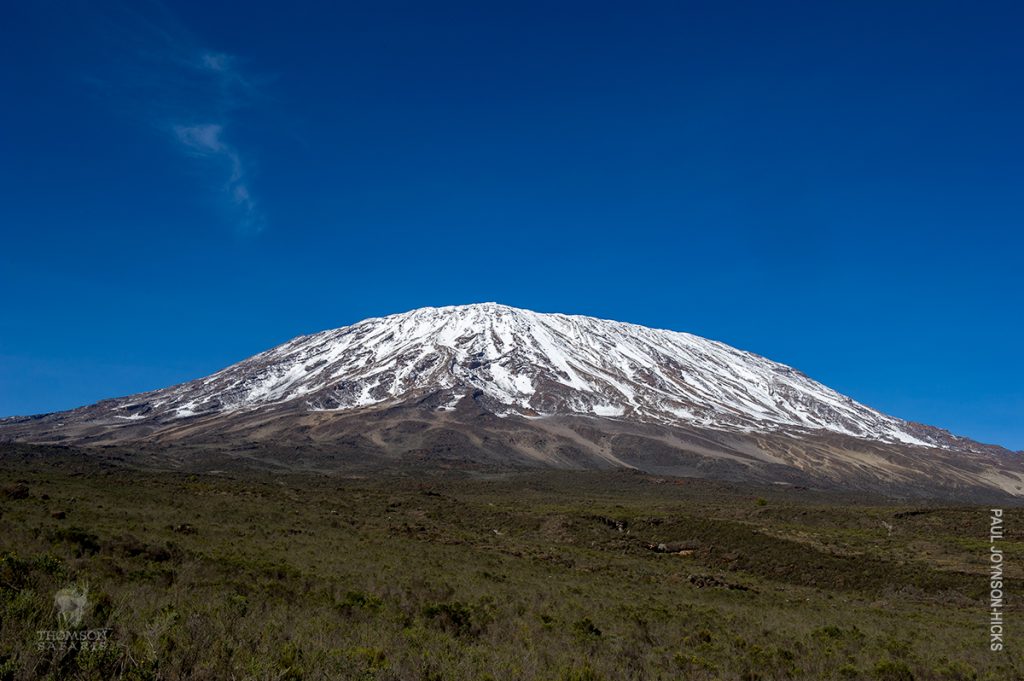
Kilimanjaro National Park
Location and Historical Significance
Located in northeastern Tanzania near Moshi and bordering Kenya, Kilimanjaro National Park sits at a crossroads of geography and history. The area was initially protected as a forest reserve under German colonial administration in the 1910s, preserving the natural landscape from early agricultural expansion. In 1973, the region was officially declared a national park, managed today by the Tanzania National Parks Authority (TANAPA). Its global recognition came in 1987 when UNESCO designated the park a World Heritage Site, highlighting its outstanding ecological and geological value.
Travelers planning a Tanzania Safari often ask: What makes Kilimanjaro historically significant? Beyond its natural beauty, the park preserves centuries of human interaction with the land, including the agricultural practices and cultural heritage of the Chagga people. Visitors can explore surrounding villages, learning about traditional farming, coffee cultivation, and local crafts, providing an enriching cultural component to a Kilimanjaro-centered Tanzania Tour. Combining history, culture, and adventure creates a multi-layered safari experience unmatched in East Africa.
Mount Kilimanjaro: Africa’s Highest Peak
Mount Kilimanjaro is the centerpiece of a Tanzania Wildlife Safari, a dormant stratovolcano composed of three volcanic cones: Kibo, Mawenzi, and Shira. Kibo is the most recent cone and hosts Uhuru Peak, the highest point on the continent at 5,895 meters (19,341 feet). Mawenzi, the second-highest peak, rises to 5,149 meters (16,893 feet), offering dramatic vistas for climbers. Shira, the oldest of the three cones at 3,962 meters (12,999 feet), features a plateau with unique flora and geological formations.
Climbers often ask: Which Kilimanjaro peak should I focus on during my Tanzania Safari and Gorilla Trekking extension? Uhuru Peak on Kibo provides the ultimate summit experience, while Mawenzi and Shira offer challenging trekking routes with fewer crowds. The mountain’s stratified zones allow Tanzania Walking Safaris and guided treks through varied landscapes, combining physical challenge with visual storytelling, ensuring each step of the journey immerses visitors in East Africa’s natural wonders.
Diverse Ecosystems Along the Climb
One of Kilimanjaro’s most remarkable features is its diversity of ecosystems, which climbers traverse on any route. The lower slopes begin with cultivated land and dense rainforest, home to primates like the black-and-white colobus monkey and a rich variety of bird species. Above the rainforest lies a heath and moorland zone, characterized by giant heathers, groundsel plants, and dramatic volcanic terrain.
Higher elevations transition into an alpine desert, a stark environment of rocky slopes and sparse vegetation that challenges climbers’ endurance. Finally, the summit zone is an arctic ecosystem capped with glaciers and snowfields, offering surreal landscapes and a profound sense of achievement. Wildlife enthusiasts often ask: Can I spot animals during a Kilimanjaro National Park Tanzania Safari? While large mammals are rare at higher elevations, elephants, giraffes, buffalos, and smaller primates inhabit the lower slopes, making day hikes and walking tours in Tanzania equally rewarding for wildlife photography.
Climbing Routes and Adventure Opportunities
Climbing Mount Kilimanjaro is the park’s primary draw, and several routes cater to varying levels of difficulty. The Machame Route is popular for its scenic vistas and higher summit success rate. The Marangu Route, nicknamed the “Coca-Cola Route,” offers relatively easier access with hut accommodations, ideal for first-time climbers. The Lemosho Route provides longer treks and breathtaking scenery, including panoramic views of the Shira Plateau. Other routes, including Umbwe, Rongai, and Shira, allow for more adventurous itineraries tailored to experienced climbers seeking solitude and immersive wilderness experiences.
Day hikes on the lower slopes allow less experienced visitors to enjoy Tanzania Walking Safaris without attempting the summit. During these excursions, travelers encounter lush forests, waterfalls, and a variety of birds and monkeys, complementing the high-altitude adventure. Guides also offer cultural tours in surrounding Chagga villages, providing insight into coffee farming, local traditions, and folklore, enhancing the Tanzania Safari Holiday experience.
Wildlife and Birdwatching Opportunities
While Kilimanjaro is primarily known for climbing, the park’s varied habitats support diverse wildlife and bird species. Elephants, buffaloes, giraffes, and several monkey species inhabit the lower and mid-elevation zones, while over 140 bird species thrive along forested trails. Travelers often ask: Is Kilimanjaro suitable for wildlife safaris compared to Serengeti or Ngorongoro? Although it does not offer dense wildlife concentrations like the savannah parks, Kilimanjaro provides unique Tanzania Wildlife Safari experiences intertwined with trekking and cultural exploration.
Birdwatching enthusiasts can observe sunbirds, turacos, and raptors along the montane forest trails, while photographers capture primates against lush green backdrops. This combination of climbing, walking tours, and wildlife viewing creates a multi-dimensional adventure suitable for both solo travelers and family-oriented Tanzania Safari Holidays.
Visitor Considerations and Practical Advice
Climbing Kilimanjaro requires careful planning. Costs include park fees, guides, porters, equipment, and potential travel insurance, making it a significant investment. Physical preparation is essential due to altitude, and climbers should acclimatize properly to reduce the risk of altitude sickness. Visitors often ask: What should I pack for a Kilimanjaro National Park Tanzania Safari? Essentials include layered clothing, sturdy boots, warm hats, sunglasses, high-SPF sunscreen, and trekking poles for longer routes.
Safety is critical: guided tours are mandatory, and choosing an experienced operator ensures both comfort and security. Many operators also offer combined itineraries, including Tanzania Safari and Gorilla Trekking, allowing travelers to seamlessly integrate wildlife and adventure tourism in one extended East African journey. By blending climbing, walking tours, wildlife viewing, and cultural engagement, visitors gain an unparalleled Tanzania Safari experience.
Kilimanjaro as a Cornerstone of Tanzania Safari Holidays
Kilimanjaro National Park represents the perfect intersection of adventure, culture, and natural beauty. From summiting Africa’s highest peak to exploring montane forests and engaging with local communities, the park delivers a comprehensive Tanzania Safari experience. Travelers leave with both physical achievement and a profound connection to East Africa’s ecological and cultural richness.
In combination with other Northern Circuit destinations, such as the Serengeti, Ngorongoro Crater, or even Tanzania Safari and Gorilla Trekking extensions to Uganda or Rwanda, Kilimanjaro serves as a central pillar of an unforgettable African adventure. Its stratified ecosystems, diverse wildlife, and cultural immersion opportunities ensure that every visitor experiences East Africa at its most compelling and inspiring.