Is it Possible to combine Masai Mara, Serengeti, and Ngorongoro Crater Safari with Gorilla Trekking?
Is it Possible to combine Masai Mara, Serengeti, and Ngorongoro Crater Safari with Gorilla Trekking?
Experiencing the Ultimate East African Wildlife Adventure
Combining a Masai Mara, Serengeti, and Ngorongoro Crater Safari with gorilla trekking in Uganda or Rwanda offers a uniquely immersive East African adventure. This multi-country journey blends expansive savannah landscapes with dense rainforest ecosystems, creating an unparalleled wildlife experience. Travelers witness the iconic Big Five in Kenya and Tanzania while observing endangered mountain gorillas in their natural habitat. The combination answers a key question for wildlife enthusiasts: How can one experience both dramatic savannah game drives and intimate rainforest wildlife encounters in a single trip?
This itinerary suits those seeking adventure, cultural immersion, and conservation awareness. While Tanzania Safari Holidays showcase lions, elephants, rhinos, and wildebeest migrations across Serengeti and Ngorongoro Crater, gorilla trekking provides a life-changing encounter with gentle giants amidst misty mountains. Partnering with a knowledgeable tour operator ensures seamless logistics, including flights, permits, and accommodations, allowing travelers to focus on observation and exploration. The journey combines storytelling, cultural exposure, and biodiversity observation, offering an unforgettable East African safari narrative.
Experiencing the Ultimate East African Wildlife Adventure
Why Combine Safari Destinations with Gorilla Trekking?
The combination of Masai Mara, Serengeti, and Ngorongoro Crater with gorilla trekking allows travelers to experience the full spectrum of East African wildlife. Masai Mara and Serengeti offer endless plains, predator-prey dynamics, and the iconic wildebeest migration, one of the planet’s most spectacular wildlife phenomena. Ngorongoro Crater provides a dense concentration of wildlife in a volcanic caldera, ensuring a high probability of spotting the Big Five in a single day.
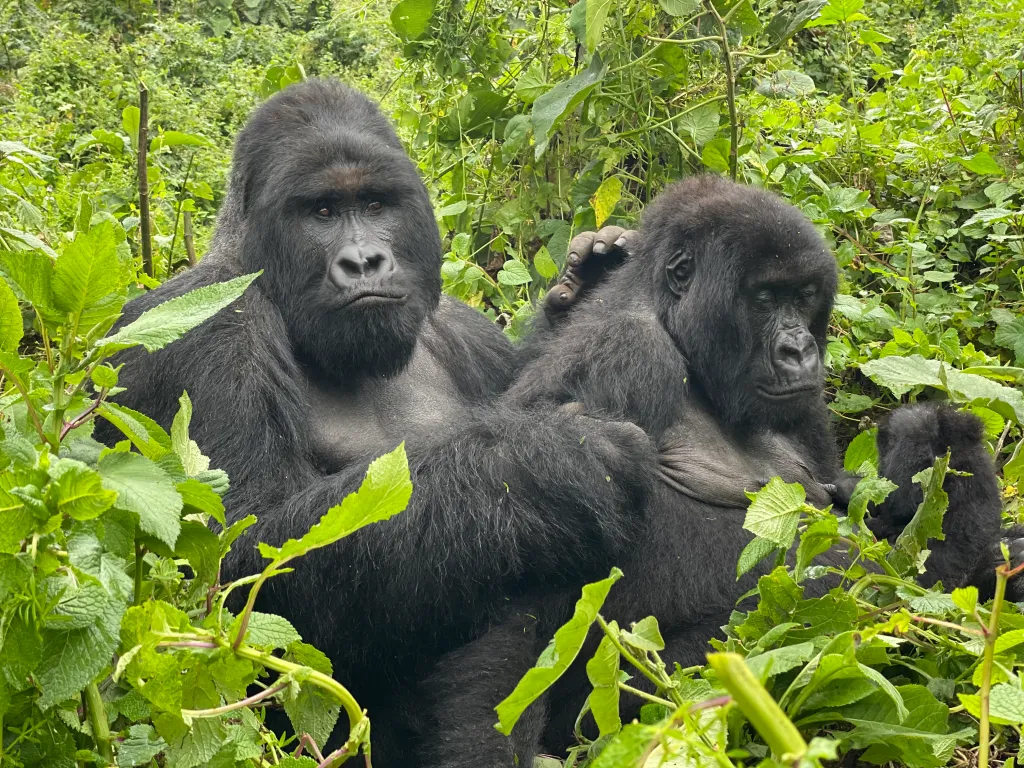
In contrast, Uganda and Rwanda offer mystical, densely forested terrains where visitors trek through Volcanoes or Bwindi forests. Observing mountain gorillas, golden monkeys, and chimpanzees in their natural habitats provides unmatched intimacy with endangered species. Cultural experiences complement both destinations. Maasai communities in Kenya and Tanzania share traditional dances, storytelling, and pastoral lifestyles, while Batwa and other forest communities in Uganda offer heritage tours, handicrafts, and insight into forest conservation. This combination answers another common question: Can a single itinerary maximize both wildlife diversity and cultural immersion in East Africa? The answer is a carefully planned, multi-country safari.
Planning Your Multi-Country Safari: Key Logistics
Combining a Masai Mara, Serengeti, and Ngorongoro Crater Safari with gorilla trekking requires strategic planning. Most itineraries begin with flights into Nairobi, Kenya, where travelers access the Masai Mara for game drives. After experiencing savannah wildlife, visitors fly to Arusha or Kilimanjaro, Tanzania, to explore Serengeti National Park and Ngorongoro Crater. Finally, travelers transfer to Uganda or Rwanda via regional flights, reaching Entebbe International Airport, followed by a drive to Bwindi or Mgahinga Gorilla National Parks.
Partnering with a reputable tour operator simplifies inter-country travel, permits, and accommodations. Gorilla trekking permits sell out quickly, particularly during high season from June to September and December to February. Lodges near national parks provide comfortable accommodations and immersive cultural experiences. Packing is essential for varied environments: sturdy hiking boots for rainforest treks, lighter clothing for savannah game drives, and layered attire for fluctuating temperatures. Tour operators also coordinate internal flights and ground transfers, ensuring travelers maximize wildlife sightings and experiences without logistical stress.
Masai Mara Safari: Iconic African Wildlife
Masai Mara offers the quintessential safari experience. Vast savannahs host lions, leopards, elephants, buffalo, and rhinos—the Big Five—while zebras, giraffes, and gazelles roam freely across endless plains. During June to October, the Great Migration presents dramatic river crossings and large wildebeest herds, creating breathtaking photographic opportunities.
Tanzania Game Drives in Serengeti complement the Mara experience, with varied terrains and seasonal wildlife movements. Walking safaris provide intimate exploration of animal tracks, small mammals, and birdlife, revealing intricate ecological connections. Cultural visits to Maasai villages offer insight into traditional pastoralist lifestyles, beadwork, and rituals, enhancing the safari with human stories interwoven with wildlife observation. Visitors often ask: How can safari-goers witness the Big Five while also engaging in local culture? Guided game drives and walking tours answer this, providing educational narratives, interactive experiences, and unparalleled wildlife viewing opportunities.
Ngorongoro Crater Safari: Dense Wildlife in a Volcanic Caldera
The Ngorongoro Crater offers an unmatched density of wildlife. Its volcanic caldera supports lions, black rhinos, elephants, buffalo, and numerous antelope species. Observing predator-prey interactions in a single day creates an intense and rewarding safari experience. Game drives are complemented by scenic views, including the crater rim and surrounding highlands, providing dramatic photographic backdrops.
Walking safaris in areas surrounding the crater allow closer observation of flora, birds, and smaller mammals. Visitors may engage with local Maasai communities, learning traditional practices and understanding the delicate balance between humans and wildlife. This experience answers another essential question: Can safari-goers encounter high concentrations of wildlife while also exploring East African culture? By combining game drives with cultural interactions, visitors receive an integrated experience of both biodiversity and heritage.
Gorilla Trekking in Uganda or Rwanda
Gorilla trekking in Bwindi Impenetrable Forest or Volcanoes National Park provides a transformative wildlife encounter. Guided treks lead visitors through dense forests, past waterfalls and misty hills, until they find gorilla families. Treks can last two to six hours depending on gorilla locations, and the hour spent observing these intelligent primates leaves a lasting impression.
Additional wildlife includes golden monkeys, forest elephants, and over 170 bird species. Cultural tours with Batwa communities complement trekking, offering insights into forest survival, crafts, and music. Lodges in the vicinity provide eco-friendly accommodations, often designed to blend with forest landscapes and offer panoramic views. Tourists frequently ask: How can I ensure a responsible and safe gorilla trekking experience? Partnering with certified guides and tour operators ensures ethical interaction and conservation awareness while providing a seamless, enriching experience.
Cultural Experiences Around Safari Lodges
Cultural interactions enhance the wildlife adventure. In Kenya and Tanzania, Maasai villages provide opportunities to learn about cattle herding, traditional dances, and beadwork. Visitors may join community workshops, storytelling sessions, and ceremonial experiences. In Uganda, Batwa and local forest communities demonstrate traditional crafts, music, and ancestral forest knowledge. These cultural activities complement Tanzania Walking Tours and Tanzania Wildlife Safaris, providing deeper understanding of human-nature relationships.
Engaging with local communities supports conservation and promotes sustainable tourism. Travelers gain perspective on coexisting with wildlife, the challenges of conservation, and the importance of cultural preservation. Combining wildlife observation with cultural immersion answers the question: Can safari-goers experience both natural wonders and human heritage in a single journey? A thoughtfully curated itinerary ensures a balance of adventure, culture, and education.
Sample Multi-Country Itinerary
Days 1–3: Masai Mara, Kenya
Arrive in Nairobi and transfer to Masai Mara. Conduct daily game drives to view the Big Five and explore cultural Maasai villages.
Days 4–6: Serengeti & Ngorongoro, Tanzania
Fly to Arusha or Kilimanjaro and transfer to Serengeti. Enjoy game drives and walking safaris. Explore Ngorongoro Crater, witnessing dense wildlife and dramatic landscapes.
Days 7–10: Gorilla Trekking, Uganda or Rwanda
Fly to Entebbe and transfer to Bwindi or Volcanoes National Park. Trek through lush forests to observe gorilla families and engage in Batwa cultural experiences.
Day 11: Departure
Return to Entebbe, Nairobi, or Kilimanjaro for onward flights, reflecting on the combination of savannah adventure and intimate gorilla encounters.
Why This Safari Combination is Unforgettable
Combining Masai Mara, Serengeti, and Ngorongoro Crater Safari with gorilla trekking creates a holistic African adventure. Travelers witness predator-prey dynamics, seasonal migrations, and the intimate behaviors of mountain gorillas. They experience East Africa’s diverse ecosystems, participate in cultural exchanges, and contribute to conservation efforts. Expertly managed itineraries ensure smooth logistics, maximizing wildlife encounters and immersive storytelling.
This safari answers critical questions: How can one experience both iconic savannahs and rare rainforest wildlife? How can cultural immersion complement a wildlife adventure? For travelers seeking diversity, adventure, and conservation awareness, this combination stands as the ultimate East African safari.