What to do in Arusha National Park
The Premier Tanzania Safari Destination
Arusha National Park stands as one of Tanzania’s most accessible yet diverse wildlife reserves, offering a concentrated and unforgettable Tanzania Wildlife Safari experience. Located just a short distance from Arusha city, the park serves as a gateway to northern Tanzania’s renowned safari circuit, connecting visitors to iconic destinations such as the Serengeti, Ngorongoro Crater, and Mount Kilimanjaro. Its unique combination of landscapes, from volcanic slopes to serene lakes, allows travelers to enjoy Tanzania Walking Safaris, game drives, and cultural encounters in a compact, highly navigable setting.
This park provides both adventure and tranquility, catering to budget, midrange, and luxury safari travelers. Visitors can immerse themselves in breathtaking natural scenery, observe wildlife in diverse habitats, and experience guided walking tours, canoeing adventures, and Mount Meru trekking. The park’s rich ecological diversity supports giraffes, zebras, elephants, buffaloes, colobus monkeys, and a myriad of bird species. For travelers seeking a Tanzania Safari Holiday that blends adventure, wildlife, and cultural experiences, Arusha National Park is an ideal starting point.
Nearby communities, buffalo, particularly Maasai villages, offer a cultural layer to the safari experience. Visitors can engage in traditional dances, learn about Maasai pastoral life, and participate in sustainable tourism activities, creating meaningful connections that complement the park’s natural wonders. From walking safaris to canoe trips and guided hikes, Arusha National Park exemplifies why Tanzania Safaris remain among the world’s most sought-after wildlife experiences.
Exploring Arusha National Park: A Landscape of Diversity
Arusha National Park’s landscapes are remarkably varied, which makes every Tanzania Safari itinerary uniquely captivating. The park encompasses volcanic cones, dense montane forests, open savannahs, alkaline lakes, and rolling grasslands. Each ecosystem supports specific wildlife, giving travelers multiple ways to encounter animals in both forested and open environments. This diversity is what makes Arusha National Park an essential stop on any Tanzania Tour or wildlife-focused expedition.
Mount Meru, the park’s centerpiece, rises majestically to 4,566 meters. Its slopes host a range of habitats, from lower montane forests to high-altitude moorlands. Hikers can encounter forest elephants, colobus monkeys, and bushbucks while ascending through lush greenery. The summit provides panoramic views of the park and the distant peaks of Mount Kilimanjaro, adding unmatched photographic and trekking opportunities.
The Ngurdoto Crater, often called “Little Ngorongoro,” is another iconic feature. Surrounded by dense rainforest, the crater floor contains swamps and grasslands that attract buffaloes, warthogs, and a variety of bird species. The Momela Lakes, with both alkaline and freshwater sections, attract flamingos, pelicans, and other migratory birds, creating spectacular vistas. By navigating these landscapes on foot, by vehicle, or via canoe, travelers experience a Tanzania Walking Safari in its most diverse form.
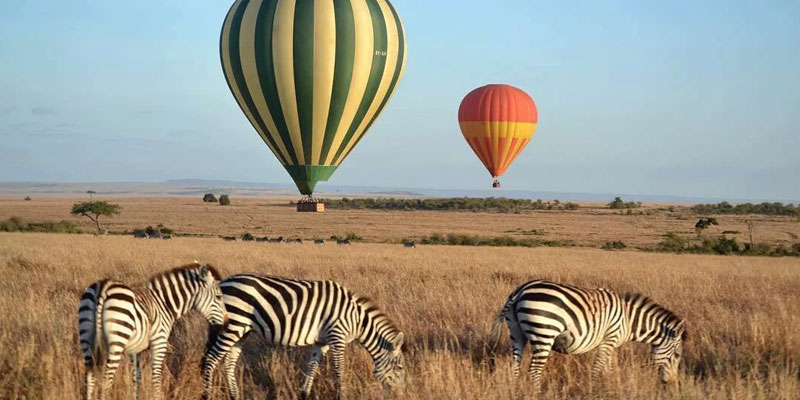
Wildlife in Arusha National Park: Which Species Can You Expect to See?
Arusha National Park supports an exceptional range of wildlife, making it perfect for travelers interested in Tanzania Wildlife Safaris. Iconic African species inhabit the park’s grasslands and forests, including giraffes gracefully browsing treetops, zebras roaming open plains, and Cape buffalo grazing near water sources. Hippos and crocodiles are present in the Momela Lakes, while leopards, though elusive, occasionally appear in the forested slopes of Mount Meru.
Primates are abundant. Black-and-white colobus monkeys and blue monkeys are frequently spotted in the forest canopy, providing an up-close experience during walking safaris. Smaller mammals, including dik-diks, warthogs, bushbucks, and elephants, enhance the diversity of sightings. Birdwatchers will delight in over 400 recorded species, from flamingos and kori bustards to crowned eagles and pelicans, making the park a hotspot for Tanzania Walking Tours focused on avian observation.
The park’s manageable size ensures that visitors can enjoy multiple wildlife encounters in a single day. This accessibility distinguishes Arusha National Park from larger reserves, offering travelers more intimate and educational experiences that combine observation, photography, and interpretation, all essential aspects of high-quality Tanzania Safari Holidays.
Activities in Arusha National Park: Walking Safaris, Canoeing, and Mount Meru Adventures
Walking Safaris in Tanzania: Experiencing Wildlife Up Close
Walking safaris are one of Arusha National Park’s most intimate wildlife experiences. Accompanied by armed and highly trained guides, visitors explore trails through grasslands and forests, observing giraffes, zebras, colobus monkeys, and warthogs. The slower pace allows travelers to notice animal tracks, bird behavior, and unique flora, deepening their understanding of ecological dynamics.
Walking safaris also encourage mindfulness and environmental education. Guides provide insights into predator-prey interactions, plant uses, and conservation challenges, allowing participants to engage meaningfully with the environment. This immersive experience complements vehicle-based Tanzania Game Drives, providing visitors with both macro and micro perspectives on wildlife habitats. Walking safaris are particularly recommended for smaller groups, photography enthusiasts, and travelers seeking authentic, hands-on interaction with the Tanzanian wilderness.
Mount Meru Hiking: Adventure and Panoramic Views
Climbing Mount Meru, Tanzania’s second-highest mountain, offers a rewarding adventure for safari-goers seeking both physical challenge and extraordinary scenery. The trek spans multiple ecological zones, from montane forests inhabited by monkeys and elephants to high-altitude moorlands where the air grows crisp and panoramic views unfold.
Reaching the summit provides sweeping vistas over Arusha National Park, the Ngurdoto Crater, and Mount Kilimanjaro. Trekking Mount Meru enriches Tanzania Walking Safaris by combining wildlife observation with physical adventure and photography opportunities. Hikes are suitable for moderately fit travelers and can be paired with other park activities, including canoeing and cultural village visits, creating a multi-dimensional Tanzania Safari Holiday.
Canoeing on the Momela Lakes: Serene Wildlife Encounters
Canoeing on the Momela Lakes offers an alternative perspective of Arusha National Park. Paddling through these pristine lakes allows visitors to observe hippos, giraffes, and thousands of flamingos in their natural habitats. The calm waters create perfect reflections of Mount Meru, adding a serene dimension to wildlife photography.
Canoeing enhances Tanzania Walking Safaris by combining active exploration with quiet observation. Travelers can navigate hidden inlets, spot aquatic birds, and experience the park’s aquatic ecosystems intimately. This activity is ideal for families, birdwatchers, and photography enthusiasts, providing variety and tranquility between game drives and treks.
Ngurdoto Crater and Scenic Waterfalls: Hidden Wonders
The Ngurdoto Crater, or “Little Ngorongoro,” is a must-see feature of Arusha National Park. Its dense forests and grassy crater floor attract buffaloes, warthogs, and various bird species, offering exceptional observation opportunities during walking safaris. Nearby waterfalls, fed by Mount Meru’s springs, provide stunning scenery and relaxation points for travelers.
These natural features combine wildlife, ecology, and aesthetic beauty in one location. Including them in a Tanzania Safari Holiday itinerary adds depth and variety, ensuring a rich and memorable experience. Guided exploration of the crater and waterfalls allows visitors to learn about volcanic formations, local ecosystems, and conservation practices.
Birdwatching: A Paradise for Ornithologists
Arusha National Park is home to over 400 bird species, making it a premier destination for Tanzania Wildlife Safaris focused on birdwatching. From flamingos in the Momela Lakes to crowned eagles perched in the Ngurdoto Crater, the park offers diverse avian habitats.
Birdwatching integrates seamlessly with other safari activities. Guests can spot species during walking safaris, canoe trips, or game drives, creating multiple opportunities for observation. The combination of terrestrial and aquatic ecosystems allows for a complete understanding of the park’s avian biodiversity.
Accommodations Around Arusha National Park: From Budget to Midrange
Budget-Friendly Lodges and Camps
Travelers on a budget can find comfortable lodges and camps near Arusha National Park. Options provide basic amenities while remaining close to park entrances for early safari departures. Budget accommodations often include guided walking safaris, game drives, and local cultural experiences, ensuring value without compromising adventure.
Midrange Lodges
Midrange lodges offer more comfort and amenities, including en-suite rooms, meals, and easy access to activities. These lodges often feature eco-friendly designs, private terraces overlooking scenic landscapes, and curated experiences such as guided hikes, canoeing, and cultural visits. Midrange options balance affordability with quality, making them ideal for families, small groups, or solo travelers seeking comprehensive Tanzania Safari Holidays.
Cultural Experiences Around Arusha National Park
Visitors can engage with Maasai communities surrounding Arusha National Park. Local homesteads offer insights into traditional pastoral life, dances, and craft-making. Travelers learn about sustainable practices, livestock management, and cultural traditions, deepening the safari experience beyond wildlife observation.
Arusha town complements these cultural encounters. Coffee plantation tours, local markets, and craft shops provide additional layers of Tanzanian culture. These experiences enhance Tanzania Tours, combining wildlife, adventure, and human stories into a holistic safari itinerary.
How to Access Arusha National Park
Arusha National Park is conveniently accessible from Arusha city. Travelers can reach the park by road in under an hour, making it ideal for short safaris, pre- or post-flight excursions, or extended tours.
Guided tours often combine the park with nearby attractions, including the Ngorongoro Crater or Tarangire National Park. Transport options range from self-drive safaris in 4×4 vehicles to guided packages including game drives, walking safaris, and cultural experiences.
For travelers seeking a Tanzania Safari Holiday with minimal travel time, the park’s proximity ensures maximum time spent enjoying wildlife, landscapes, and adventure activities.
Sample Itineraries.
One-Day Safari: Highlights for First-Time Visitors
A one-day Tanzania Safari in Arusha National Park is perfect for travelers with limited time who want to experience diverse wildlife, landscapes, and adventure activities. Early morning departures from Arusha city allow visitors to maximize daylight for both walking safaris and game drives. Guided Tanzania Walking Tours in the forested trails of Mount Meru provide opportunities to see colobus and blue monkeys, observe elephant footprints, and learn about medicinal plants.
Following the walking safari, visitors can embark on a canoe excursion on the serene Momela Lakes. This activity provides a rare chance to observe hippos, crocodiles, flamingos, and other bird species in their natural habitat. The afternoon is ideal for a scenic Tanzania Game Drive along the park’s open plains and volcanic craters, spotting giraffes, zebras, bushbucks, and waterbucks. Concluding the day with sunset photography near the Ngurdoto Crater ensures an unforgettable end to this condensed Tanzania Safari Holiday.
Two-Day Safari: Combining Wildlife, Hiking, and Cultural Encounters
A two-day safari allows travelers to integrate Tanzania Wildlife Safaris with trekking adventures and cultural experiences. On day one, early morning walking safaris give guests intimate wildlife encounters. Afternoon game drives explore the Ngurdoto Crater and surrounding grasslands, offering prime opportunities for spotting buffaloes and warthogs. Evening cultural visits to nearby Maasai villages allow guests to engage in traditional dances, learn about livestock management, and witness beadwork craftsmanship.
On day two, hikers ascend Mount Meru with a trained guide. The trek passes through lush montane forests and volcanic slopes, offering panoramic views of Arusha National Park and distant Mount Kilimanjaro. During the climb, travelers may encounter forest elephants, rare primates, and diverse bird species. Returning to the park, guests can enjoy canoeing on Momela Lakes, taking in mirrored landscapes and observing flamingos feeding along the water’s edge. This itinerary perfectly combines adventure, wildlife, and cultural immersion for a holistic Tanzania Safari Holiday experience.
Three-Day Safari: Immersive Tanzania Walking Tours and Wildlife Exploration
For more immersive experiences, a three-day Tanzania Walking Safari and wildlife itinerary allows for extended exploration of Arusha National Park’s ecological zones. Day one focuses on walking safaris and Tanzania Game Drives, exploring the park’s savannahs and forests while spotting giraffes, zebras, colobus monkeys, and bushbucks. Bird enthusiasts can observe flamingos, crowned eagles, and kori bustards near the Momela Lakes. Evening relaxation includes staying in midrange lodges that provide comfort while retaining a bush-like ambiance.
Day two features Mount Meru trekking combined with photography sessions of diverse landscapes. Guides explain ecological patterns, predator-prey relationships, and conservation initiatives. Evening activities include cultural interactions with Maasai communities and educational discussions about traditional lifestyles. Day three allows canoeing expeditions on the lakes, wildlife-focused drives through open plains, and final photography sessions near Ngurdoto Crater. This extended itinerary ensures travelers experience Tanzania Wildlife Safaris comprehensively while engaging in cultural and adventure-based activities.
Seasonal Considerations for Optimal Wildlife Viewing
Arusha National Park is a year-round destination, but wildlife activity, bird migrations, and landscape conditions vary seasonally. Understanding these patterns helps travelers plan Tanzania Safaris effectively.
Dry Season (June–October):
During this period, water scarcity drives wildlife toward permanent rivers and lakes. Game drives are highly productive for spotting giraffes, zebras, buffaloes, and primates. Walking safaris are more comfortable, as the forest floor is dry and easier to navigate. The clear skies also enhance photography opportunities, especially around Mount Meru and Ngurdoto Crater.
Wet Season (November–May):
The wet season rejuvenates the park’s landscapes, creating lush greenery and attracting migratory birds to Momela Lakes. Canoeing becomes particularly scenic as the lakes swell with rainwater. Birdwatchers can spot flamingos, egrets, pelicans, and other rare species. Walking safaris through the forests are enriched with fresh plant growth, wildlife activity, and fewer tourists, creating a serene Tanzania Safari Holiday experience.
Accommodation Options Around Arusha National Park
Arusha National Park offers diverse lodging to suit different budgets, enhancing every Tanzania Safari experience.
Budget Lodges and Camps:
Budget travelers can stay in campsites and basic lodges near the park entrance. Facilities provide comfortable rooms or tents, guided walking safaris, and Tanzania Game Drives without compromising wildlife viewing experiences. This is ideal for solo travelers, backpackers, or adventure-seekers.
Midrange Lodges:
Midrange lodges, such as private bush lodges and eco-lodges, offer spacious rooms, en-suite amenities, and curated safari packages. Guests can enjoy guided walking tours, canoeing, and Mount Meru hikes while also engaging in cultural experiences with Maasai communities. These lodges balance comfort and authenticity, ensuring an enriched Tanzania Safari Holiday.
Luxury Lodges (Optional Add-on):
While not the focus for midrange travelers, luxury lodges like Arusha Coffee Lodge or Mount Meru Game Lodge provide boutique-style accommodations, private guided safaris, bush breakfasts, and sunset sundowners. Such options cater to travelers who desire premium Tanzania Safari and Gorilla Trekking experiences with minimal effort in logistics.
Cultural Experiences Near Arusha National Park
Cultural immersion enhances any Tanzania Tour by connecting travelers with local Maasai traditions. Guests can:
- Participate in Maasai dances and ceremonies.
- Learn beadwork and traditional craft-making.
- Understand pastoral life, livestock management, and community sustainability.
In addition, nearby coffee plantations and local markets provide interactive learning experiences, demonstrating Tanzanian agricultural practices and culinary traditions. These experiences complement walking safaris and game drives, creating a holistic Tanzania Wildlife Safari that balances nature, adventure, and culture.
Travel Tips for a Successful Arusha Safari
Best Transportation:
Arusha National Park is accessible by road from Arusha city in less than an hour. Self-drive safaris or guided packages with 4×4 vehicles are recommended for ease of access and comfort.
Packing Essentials:
Travelers should bring soft-sided luggage, binoculars, cameras, sturdy hiking shoes, sun protection, and rain gear. Lightweight clothing is preferred for day excursions, while warm layers are necessary for Mount Meru treks.
Health and Safety:
Travelers should consult with medical professionals regarding malaria prophylaxis. Guides are trained to handle wildlife encounters and ensure safety during walking safaris and canoeing.
Booking Considerations:
It is advisable to book lodges, guided safaris, and walking tours in advance, particularly during peak season (June–October), to secure preferred accommodations and activities.
Connecting Arusha National Park to Other Northern Tanzania Safaris
Arusha National Park is often included in multi-park Tanzania Safari Holidays, providing a natural starting point for itineraries that include:
- Serengeti National Park: Witness the Great Migration and Big Five wildlife.
- Ngorongoro Crater: Explore the caldera ecosystem with its dense wildlife populations.
- Tarangire National Park: Experience large elephant herds and baobab trees.
For travelers combining wildlife exploration with primate experiences, packages can include Tanzania Safari and Gorilla Trekking in destinations like Mahale Mountains or Gombe Stream. This connection creates unmatched variety, combining terrestrial, aquatic, and forested wildlife encounters.
Why Arusha National Park Should Be on Every Tanzania Safari Itinerary
Arusha National Park is a compact yet diverse destination for Tanzania Safaris. Its combination of walking safaris, Mount Meru trekking, canoeing adventures, and game drives offers unmatched immersion in wildlife and nature. Birdwatchers, photographers, and adventurers alike find the park uniquely rewarding.
Accessible from Arusha city, the park accommodates travelers across budgets, from budget-friendly campsites to midrange lodges and luxury eco-lodges. Cultural interactions with Maasai communities and nearby villages provide a rich understanding of local traditions, making each Tanzania Safari Holiday holistic and memorable.
Whether your goal is an intimate walking safari, a panoramic hike on Mount Meru, a serene canoe trip on the Momela Lakes, or a combination of these activities, Arusha National Park provides a gateway to northern Tanzania’s wilderness. Every itinerary allows travelers to witness Africa’s iconic landscapes, diverse wildlife, and vibrant cultures, solidifying its status as an essential part of any Tanzanian adventure.