Ngorongoro Crater
Ngorongoro Crater
A Tanzania Safari and Wildlife Wonderland
The Ngorongoro Crater is one of Tanzania’s most iconic natural treasures, offering a unique combination of geological wonder, rich wildlife, and cultural encounters. Spanning an immense 260 square kilometers and forming the world’s largest intact volcanic caldera, this UNESCO World Heritage Site attracts travelers seeking an unforgettable Tanzania Safari experience. Its deep, enclosed basin, measuring approximately 610 meters from rim to floor, creates a microcosm of Africa’s wildlife. From the majestic lion to the critically endangered black rhinoceros, visitors encounter the renowned Big Five in a remarkably concentrated area. The crater forms the heart of the Ngorongoro Conservation Area, which balances conservation and Maasai pastoral life, allowing visitors to enjoy both nature and culture. Could a Tanzania Wildlife Safari be more complete than a visit to this exceptional natural sanctuary?
Game Drive Safari in Africa
Geological Formation and Dramatic Landscapes
Ngorongoro Crater’s story begins millions of years ago when a colossal volcano erupted and collapsed, forming the massive caldera seen today. Its preserved rim and crater floor display a remarkable range of habitats. The crater floor features grassy plains interspersed with seasonal lakes, marshes, and acacia woodlands, creating perfect conditions for Tanzania Wildlife Safaris and game drives. Surrounding highlands showcase fertile farmland, volcanic cones like Olmoti and Empakai, and scenic vantage points ideal for sunset photography or panoramic views. The contrast between the lush crater rim and the savanna below offers travelers a dramatic visual experience. Walking Safaris in Tanzania can also be arranged in designated areas around the rim and nearby highlands, allowing visitors to explore smaller wildlife and understand the ecological intricacies of this protected ecosystem.
Wildlife Wonders: Big Five and Beyond
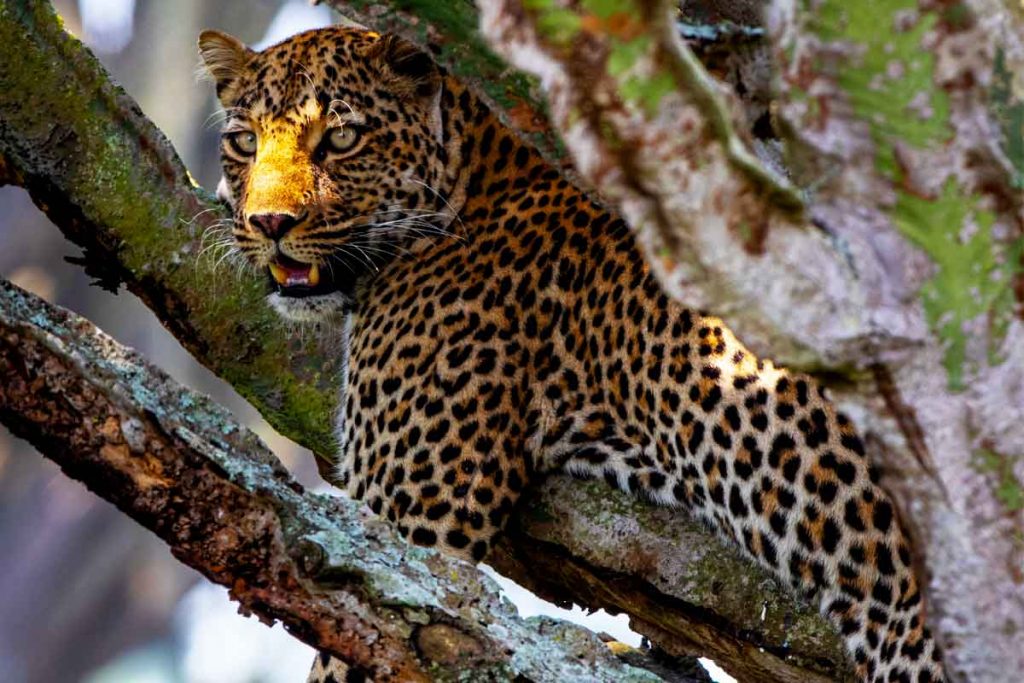
Ngorongoro Crater is renowned for its dense wildlife populations. Is it possible to see the Big Five in a single day? The answer is yes. Lions patrol the open plains while leopards hide in rocky outcrops. Herds of elephants wander among acacia trees, buffaloes graze along the floor, and black rhinos roam in protected areas. The crater is one of the few reliable locations in Africa to spot this critically endangered rhino species. Tanzania Safaris that include Ngorongoro often schedule multiple game drives to maximize encounters with these iconic species. In addition to the Big Five, visitors can observe cheetahs, hippos in crater pools, zebras, wildebeest, and gazelles, making the ecosystem remarkably diverse. Could any Tanzania Safari Holiday rival the concentration of wildlife that this compact caldera offers?
Witness the Great Migration
Another highlight of a Tanzania Wildlife Safari is witnessing the Great Migration near Ngorongoro Crater. Every year, vast herds of wildebeest and zebras move across the Serengeti plains, occasionally descending into the crater for grazing. While the main river crossings occur in the northern Serengeti, the crater provides an extraordinary vantage point to witness this natural spectacle. The migration brings predator interactions, dramatic chases, and newborn calves, providing photographers and wildlife enthusiasts with unforgettable experiences. Beyond the massive herds, birdwatchers can delight in spotting over 500 species, including flocks of flamingos on the crater’s soda lakes. Can any other Tanzania Walking Tour provide such a combination of wildlife density, seasonal drama, and scenic backdrop in one location?
Engaging Visitor Experiences
Ngorongoro Crater offers more than game drives and wildlife sightings. Cultural experiences enrich every Tanzania Safari and Gorilla Trekking itinerary by connecting visitors with the Maasai people, who have lived sustainably in the surrounding highlands for generations. Travelers can visit traditional Maasai villages, participate in daily activities, and gain insights into their unique customs, beadwork, and pastoral traditions. History enthusiasts can explore Olduvai Gorge, the “Cradle of Mankind,” where fossil discoveries illuminate early human evolution. Guided walking safaris along designated trails also reveal smaller mammals, plants, and insects, enhancing ecological understanding. Could a Tanzania Walking Safari become more immersive than combining wildlife, history, and culture in one day?
Lodging with Views
Lodging around Ngorongoro Crater caters to a wide range of Tanzania Safari Holidays. Rim lodges provide breathtaking panoramas over the crater floor, allowing wildlife observation even from your balcony. Some lodges offer luxury amenities such as infinity pools, spa services, and gourmet dining, while mid-range accommodations balance comfort with accessibility to the crater. Family-friendly lodges often include kid’s programs, making Tanzania Tours suitable for travelers of all ages. Many lodges integrate Maasai cultural activities, local cuisine, and nature walks, enriching the visitor experience. Planning a multi-day stay allows guests to explore the crater during early morning and late afternoon game drives, which are prime times for wildlife activity. Does any Tanzania Safaris itinerary offer both luxury and immersive wildlife viewing so seamlessly?
Photography and Observation Opportunities
Ngorongoro Crater is a paradise for photographers and wildlife observers. The high walls frame the plains below, creating dramatic compositions for landscape shots, while the crater floor’s microclimates ensure that animals are visible year-round. Early morning light casts long shadows, perfect for capturing lions, elephants, and rhinos against golden grasslands. Sunset from the rim provides panoramic views of surrounding highlands and distant volcanoes. Hot air balloon safaris over the crater enhance photography opportunities, allowing guests to capture the Great Migration, resident wildlife, and scenic vistas from above. For Tanzania Wildlife Safaris focused on photography, the crater represents a must-visit destination. Can any other Tanzanian park combine accessible wildlife viewing with breathtaking natural photography?
Seasonality: Best Time to Visit
The Ngorongoro Crater is a year-round destination, but timing influences experiences. During the dry season from June to October, wildlife concentrates near waterholes, creating optimal conditions for game drives and wildlife photography. However, this period coincides with peak tourism, requiring advanced booking. The wet season, from November to May, brings lush landscapes, fewer crowds, and thriving birdlife. The shoulder months, especially January and February, offer high predator activity and calving season in the southern plains, giving travelers spectacular wildlife encounters. Could timing your Tanzania Safari enhance the chance to see newborn calves, predator interactions, and vibrant scenery in a single visit?
Why Ngorongoro Crater Remains Unforgettable
The Ngorongoro Crater is a unique combination of geology, wildlife, and culture. Its compact size ensures extraordinary wildlife density, while surrounding highlands support Maasai communities and significant archeological sites. Visitors leave with more than photographs they experience an ecosystem carefully preserved and enriched with cultural storytelling. Whether enjoying Tanzania Walking Tours, game drives, or hot air balloon safaris, every visitor can witness an intricate balance between nature and people. From rare black rhinos to panoramic sunsets, the crater embodies the essence of Tanzania Safaris Holidays. Could any other location in the world provide such a complete and immersive safari experience? The Ngorongoro Crater continually reaffirms why it stands as a crown jewel of African wildlife tourism.