Tanzania Walking Safari
Immersive Wildlife Adventures on Foot
A Tanzania Walking Safari provides a deeply immersive wildlife experience that transports travelers beyond the confines of vehicles and viewing platforms. This adventure allows guests to experience the African bush with all senses engaged, offering intimate connections with the landscape, animals, and ecosystem. Guided by expert rangers, each walk focuses on tracking animals, observing intricate ecological interactions, and discovering smaller creatures and plants often overlooked during traditional game drives. Walking safaris encourage travelers to engage with nature on a personal level, creating unforgettable encounters with wildlife in its natural habitat.
Unlike conventional Tanzania Wildlife Safaris, walking tours emphasize the holistic ecosystem rather than solely pursuing the “Big Five.” Each step allows travelers to notice subtle signs of animal behavior, insect activity, and plant life, fostering understanding of the intricate balance that sustains Tanzania’s protected areas. Moreover, walking safaris often include cultural interactions near lodges and villages, such as visiting Maasai communities, participating in traditional dances, and learning local crafts. This combination of ecological exploration and cultural immersion ensures that a Tanzania Walking Safari delivers both adventure and education, appealing to travelers seeking meaningful Tanzania Safari Holidays.
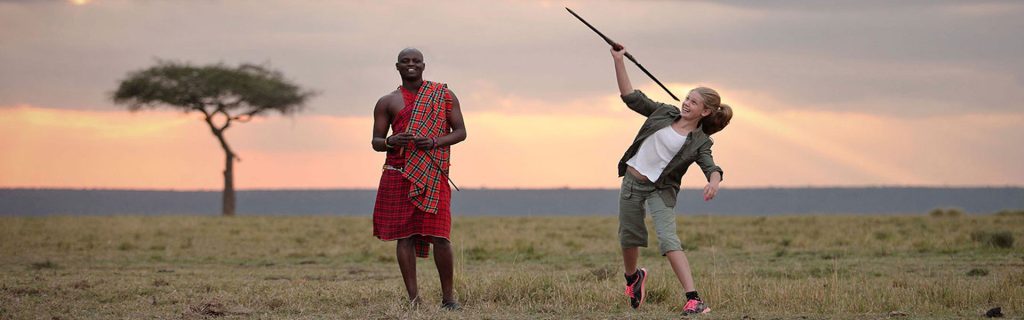
Tanzania Safari
Top Walking Safari Destinations in Tanzania
Ruaha National Park: Rugged Wilderness and Elephant Encounters
Ruaha National Park, Tanzania’s largest protected area, offers an unmatched walking safari experience characterized by vast open plains, riverine forests, and rocky outcrops. Guided walks follow the Great Ruaha River, where travelers can track elephant herds, lions, and a variety of other wildlife. This remote park provides an opportunity to experience Tanzania’s wilderness far from crowds, creating a sense of adventure and discovery.
Walking in Ruaha enhances awareness of the ecosystem by highlighting smaller details, such as animal tracks, termite mounds, and the songs of birds hidden within the foliage. Multi-day walking safaris with fly camping allow for deeper exploration, staying immersed in nature day and night. Cultural experiences around the park include interactions with local communities, where traditional knowledge of coexistence with wildlife and bushcraft skills can be shared. The dry season, from July to October, provides ideal conditions as animals gather near water sources, creating dramatic wildlife viewing moments. Ruaha exemplifies the raw beauty and immersive potential of Tanzania Walking Tours.
Nyerere National Park: Southern Safari and Wilderness Trekking
Formerly known as the Selous Game Reserve, Nyerere National Park offers expansive and remote landscapes ideal for walking safaris. Its rivers, grassy plains, and woodlands allow travelers to explore wildlife habitats intimately, far from the congestion of tourist vehicles. Walking through this park gives a sense of wilderness immersion, where every step reveals hidden tracks, predator signs, and ecological nuances often missed during vehicle safaris.
Rangers lead guests on single-day and multi-day walking adventures, teaching tracking techniques, animal behavior analysis, and the significance of environmental conservation. Visitors may encounter elephants, hippos, crocodiles, and predators like lions and wild dogs. Adding cultural experiences, travelers can visit nearby riverside communities to understand local fishing, agriculture, and pastoralist traditions. Nyerere National Park demonstrates how Tanzania Walking Safaris offer an intimate, educational, and exhilarating perspective, blending exploration with wildlife expertise.
Ngorongoro Conservation Area: Highland Trekking and Crater Rim Walks
The Ngorongoro Crater itself restricts walking, but its surrounding highlands provide stunning trekking opportunities. Guided walks along the crater rim reveal breathtaking views, volcanic landscapes, and rare plant species. Multi-day treks allow exploration of Empakaai Crater, home to a flamingo-filled soda lake, offering a combination of geological wonders and wildlife observation.
Walking safaris in Ngorongoro integrate both nature and culture. Travelers can engage with Maasai communities inhabiting the highlands, learning about pastoralist lifestyles, beadwork artistry, and land management practices that sustain coexistence with wildlife. Guides emphasize mindfulness and observational skills, teaching participants to read animal tracks and signs while interpreting ecological patterns. Walking in Ngorongoro’s highlands provides an alternative perspective to traditional game drives, highlighting the detailed intricacies of Tanzania’s ecosystems and offering exceptional Tanzania Wildlife Safari experiences.
Tarangire National Park: Baobabs and Elephants Up Close
Tarangire National Park is famed for its iconic baobab trees and large elephant herds, making it an excellent destination for walking safaris. Strolling along riverbanks and savannahs, travelers can approach wildlife safely under ranger guidance while observing ecological interactions in detail. The park’s seasonal rivers attract large concentrations of animals, enhancing the likelihood of witnessing elephants, giraffes, and antelopes in natural behaviors.
Walking safaris here emphasize sensory engagement: travelers notice subtle movements, hear birds and insects, and see plant species supporting wildlife habitats. Rangers interpret signs of animal presence, teaching tracking skills, and sharing knowledge about predator-prey dynamics. Cultural excursions near Tarangire lodges include Maasai village visits, where travelers participate in traditional dances, beadwork workshops, and storytelling sessions. Combining walking safaris with cultural immersion makes Tarangire ideal for Tanzania Walking Safaris focused on ecological understanding and authentic local engagement.
Serengeti National Park: Wilderness Trekking and Migration Insights
In the Serengeti, walking is limited to designated wilderness zones and private concessions, yet these areas provide unique trekking experiences. Multi-day walking safaris allow travelers to follow migration paths, explore vehicle-free zones, and gain insight into predator-prey interactions. Armed rangers ensure safety while teaching guests to interpret tracks, droppings, and other wildlife signs.
Walking in Serengeti zones creates a connection to the ecosystem that vehicle-based tours cannot replicate. Guests observe not only the “Big Five” but also smaller creatures, plants, and ecological processes that sustain wildlife. Multi-day treks often include mobile camps, providing a fully immersive experience under the stars. Cultural interactions near Serengeti lodges, such as Maasai village visits, complement wildlife exploration with social understanding. This combination makes walking safaris an exceptional addition to any Tanzania Safari Holidays or Tanzania Safari and Gorilla Trekking itinerary, offering adventure, learning, and authenticity.
Walking Safari vs. Traditional Game Drive
A Tanzania Walking Safari differs fundamentally from conventional game drives. While game drives prioritize quick coverage and large animal viewing, walking safaris engage all senses, promoting mindful observation of ecosystems. Walks focus on the complete habitat, including insects, reptiles, birds, and plant life, creating a holistic understanding of wildlife interactions.
Walking safaris move at a slower pace, requiring moderate fitness, with multi-day options available for experienced hikers. Animals often respond differently to humans on foot, resulting in unique behavioral encounters. In contrast, vehicles create physical barriers, allowing close observation but limiting sensory engagement. Walking safaris typically occur in less-visited areas, offering exclusivity, privacy, and educational opportunities rarely available on standard Tanzania Game Drives or safaris in heavily trafficked regions.
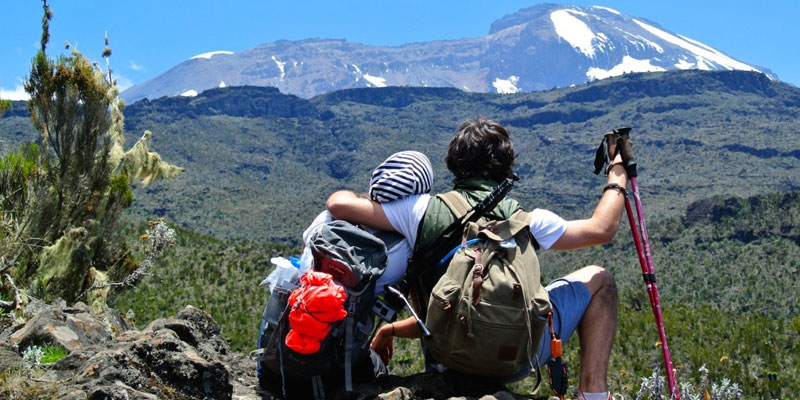
Tanzania National Parks – Exploring the Heart of Africa’s Wilderness
Safety Considerations for Walking Safaris in Tanzania
Safety on a Tanzania Walking Safari is paramount, ensured by professional guides and armed rangers trained in animal behavior, emergency protocols, and navigation. Travelers receive comprehensive briefings covering wildlife interaction, walking etiquette, and emergency procedures.
Appropriate clothing enhances safety and comfort: neutral colors like khaki, olive, or brown, sturdy hiking shoes, sun protection, and long sleeves for bush coverage. Guides instruct participants to remain calm during animal encounters and never run, as only prey species flee. Following ranger guidance ensures a safe, enriching, and immersive experience. With proper preparation and adherence to rules, walking safaris offer one of the most rewarding and secure ways to explore Tanzania Walking Tours, combining adventure, education, and wildlife observation.
Why a Tanzania Walking Safari is Unforgettable
A Tanzania Walking Safari offers unmatched intimacy with nature, combining adventure, education, and cultural experiences. From Ruaha’s rugged wilderness to Tarangire’s elephant-filled landscapes, walking safaris reveal ecological details unseen on vehicles. Guests gain profound insights into ecosystems, track wildlife, and engage in meaningful cultural exchanges with Maasai and local communities.
Walking safaris complement traditional Tanzania Wildlife Safaris, Tanzania Game Drives, and multi-destination trips, including Tanzania Safari and Gorilla Trekking. Travelers experience Africa on foot, fully immersed in the sights, sounds, and rhythms of the wild. By fostering curiosity, mindfulness, and appreciation for conservation, walking safaris redefine the meaning of adventure, leaving travelers with unforgettable memories, deeper knowledge, and a strong connection to Tanzania’s extraordinary landscapes and wildlife.