Birding in Kenya
A Haven for Bird Enthusiasts, Kenya boasts one of Africa’s most diverse bird populations, with an impressive 1,132 recorded species. Nine national endemics, including the elusive Taita Thrush and the enchanting Tana River Cisticola, are among them. These unique species, found nowhere else on Earth, prove Kenya’s rich biodiversity and conservation efforts.
A Birder’s Paradise
Kenya’s varied habitats, from the vast grasslands to the dense forests, offer a treasure trove of birdwatching opportunities.
Whether exploring the open bushland or wandering through the lush forests, you will be mesmerized by the abundance of birdlife that calls Kenya home.
Our specialty Birding thrilling adventures easily tick off over 600 species in just three weeks!
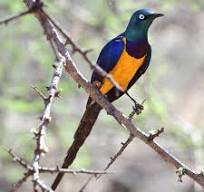
Birding in Kenya
A Migratory Bird’s Home
Kenya’s strategic location makes it a vital stopover for Palearctic migrants from Eastern Europe, Russia, the Middle East, and Siberia. With around 170 migratory species, including some with local breeding populations, Kenya’s skies come alive with the sights and sounds of these seasonal visitors.
Additionally, another 60 species migrate within the Afrotropics or from Madagascar, adding to the country’s avian diversity.
Conservation Challenges and Successes
Kenya’s forests are home to over 335 bird species, with 230 entirely dependent on forest habitats. However, habitat loss and fragmentation pose significant challenges to these delicate ecosystems. Despite these threats, Kenya is home to 40 species of global conservation concern, highlighting the country’s importance for avian conservation. Kenya protects its precious birdlife for future generations through collaborative efforts and conservation initiatives.
Birding Adventures
Explore the untamed wilderness of Kenya and lose yourself in the mesmerizing world of birds. Ideal for seasoned birders or novice enthusiasts, Kenya promises an unforgettable experience filled with breathtaking encounters and memorable sightings. Our Birding Tours uncover the secrets of Kenya’s avian wonders and reveal the magic of birdwatching in the heart of Africa.
Unique Birding Destinations
Kenya’s diverse landscapes are home to many bird species, including unique endemics found nowhere else in the world. In addition to its renowned national parks and reserves, Kenya encompasses smaller portions of three other Endemic Bird Areas, each offering a distinct avian experience. These lesser-known destinations promise unforgettable encounters with rare and elusive bird species from the Taita Hills to the Maasai Mara plains.
Taita Hills
Geologically linked to the Eastern Arc Mountains of Tanzania and Malawi, the Taita Hills boast a rich avifauna unique to this region. Despite their northernmost location, these hills harbour three endemic species, including the iconic Taita Thrush. Explore the verdant forests and mist-shrouded peaks of the Taita Hills to witness these rare and elusive birds in their natural habitat.
Masai Mara Plains
While famed for its iconic wildlife migrations, the Maasai Mara also offers exceptional birdwatching opportunities.
Jubba and Shabeelle Valleys
Located in the extreme northeast of Kenya, the Jubba and Shabeelle valleys are a haven for bird enthusiasts. Despite their remote location, these valleys are home to one endemic species, offering a unique glimpse into Kenya’s avian diversity. An expedition to these hidden remote valleys can uncover the secrets of their distinctive birdlife.
Biomes and Biodiversity
Kenya’s diverse biomes support a staggering number of bird species, making it a paradise for birdwatchers. From the Somali–Masai biome to the East African Coast, each region offers a distinct birding experience. The vast Afrotropical biome is home to over 70 species, and the lush Kakamega forest of the Guinea–Congo Forests biome hosts rare and elusive, highly sought-after forest species. With its rich biodiversity and unique habitats, Kenya promises an unforgettable birding adventure for enthusiasts.
Kenya Coastal Marvels
Kenya’s picturesque coast, adorned with mesmerizing creeks, vibrant reefs, and pristine beaches, is a vital flyway for migratory waterfowl from the Palearctic. Countless birds take refuge along this coast on their migratory journey. From elegant shorebirds to majestic seabirds, the Kenyan coast is a stunner for birdwatchers.
Rift Valley Lakes
Stretching along the Great Rift Valley, Kenya’s chain of lakes, from Turkana in the north to Magadi in the south, forms an attractive landscape for avian life. These alkaline lakes are a sanctuary for congregatory birds, attracting large numbers of waterfowl and waders. This is where flock birds gather at lakeshores, creating a symphony of colours and sounds against the Rift Valley’s dramatic scenery backdrop.
Lesser Flamingo Carpets
Among the Rift Valley’s alkaline lakes, Kenya’s lakes provide periodic feeding grounds for one of nature’s most spectacular displays, the Lesser Flamingo. Sightings of these graceful birds as they congregate in infinite numbers, painting the lakeshores with hues of pink and white, awe travelers.
Island Sanctuaries
Off the coast of Kenya, the waters of the Indian Ocean lie several small coral islands that serve as seabird sanctuaries. These pristine islands are home to important breeding colonies of Roseate Terns and other seabird species, offering incredible observations into their fascinating lives.
Kenya Bird Watching Season
September to April:
September to April is the prime season when over 120 migrant species grace Kenya’s wilderness. Sightings of these species, predominantly from the Northern Hemisphere, include uncommon migrants like Forbes-Watson’s Swift and the elusive Sooty Falcon. Large flocks of waterfowl gather at Mida Creek and Sabaki Estuary.
June to August:
As the Northern Hemisphere migrants bid farewell, the Intra-African migrants arrive. While the numbers may dwindle, the arrival of birds from the southern hemisphere and Madagascar adds a unique charm to the habitats.
This period offers exceptional birding opportunities and an unparalleled experience for game viewing. July and August mark the arrival of massive herds of wildebeest and zebra in the Maasai Mara, offering spectacular wildlife encounters. As nature’s drama unfolds, vulture sightings become more frequent, drawn by the abundance of fallen prey. The Mara River becomes a hub of activity, attracting mixed flocks of vultures and majestic Marabou Storks while crocodiles lurk in anticipation.
Birding Weather
When planning your birding adventure in Kenya, it is essential to consider the country’s distinct wet and dry seasons. While each season offers unique experiences, understanding the weather patterns can greatly enhance your birding expedition.
Kenya experiences two primary seasons: the wet season and the dry season. During the wet season, which typically spans from March to June, tropical storms and heavy rainfall can pose challenges for birdwatchers. Peering through binoculars amidst rainfall can be difficult, and many roads and tracks may become impassable, particularly without 4WD vehicles. The peak of the long rains occurs in April and May, making certain areas inaccessible. Birding in Kenya – A Complete Guide to Kenya’s Avian Wonders
Safari Overview – Experiencing Birding in Kenya Through an African Lens
Birding in Kenya reveals a world where ancient landscapes, timeless cultures, and extraordinary avian species connect to create an unforgettable African experience. As a leading destination for Kenya Safari holidays, Kenya offers birding environments that feel both untouched and incredibly alive. Each ecosystem, from the sunbaked savannas of the Maasai Mara to the cool highlands of the Rift Valley, invites travelers to discover birds that thrive within unique natural rhythms. With over 1,132 bird species, including nine remarkable endemics, Kenya has become an unrivaled paradise for travelers seeking meaningful wildlife encounters. This deep diversity inspires birders to ask essential questions: What makes Kenya Safaris so rich in species? What elevates a Kenya Wildlife Safari into a world-class birdwatching journey? And how does Birding in Kenya blend seamlessly with Kenya Walking Safaris or a classic Kenya Game Drive?
A Masterpiece of Avifauna and Wilderness
Birding in Kenya flourishes due to the country’s mosaic of habitats from volcanic craters to vast savannas, lush forests, alkaline lakes, and the idyllic Indian Ocean coastline. These varied ecosystems welcome migratory birds from Europe, Russia, the Middle East, and Madagascar. This migratory spectacle is a reminder that Kenya’s wilderness is part of a larger global ecological network, creating year-round birdwatching opportunities that position Kenya Tours at the heart of Africa’s bird tourism.
E-E-A-T in Kenya Birding Tourism
As All Budget Gorilla Safaris Ltd, our expertise, experience, and deep understanding of East African wildlife enable us to craft birding adventures that stand out. Every Kenya Tour is designed with detailed field knowledge, professional guiding, responsible tourism principles, and a desire to inspire global travelers to value Kenya’s delicate habitats. Travelers trust our Kenya Walking Tours, Kenya Wildlife Safaris, and Kenya Safari Holidays because each itinerary celebrates Kenya’s heritage, ecosystems, and communities.
A Haven for Bird Enthusiasts – Why Birding in Kenya Is Unmatched
Endemics, Biodiversity, and Conservation Strength
Birding in Kenya offers an exceptional opportunity to observe species found nowhere else on Earth. With nine national endemics, including the exquisite Taita Thrush, Tana River Cisticola, and Hinde’s Babbler, Kenya’s birdlife captures the imagination of bird lovers from all corners of the world. These species represent thousands of years of ecological evolution, and their presence enriches every Kenya Safari experience. The diversity goes further, prompting travelers to wonder: Why does a Kenya Wildlife Safari remain a global leader in birdwatching? And how does Kenya maintain thriving habitats despite modern pressures?
Kenya’s avifauna thrives across grasslands, lake shores, coastal forests, mountain moorlands, papyrus wetlands, and arid plains. In just three weeks, birders can easily tick off over 600 species, making Birding in Kenya one of the most rewarding activities for both novices and experienced ornithologists. This outstanding success is influenced by Kenya’s unique location along key migratory flyways, which brings a seasonal influx of Palearctic and Afrotropical migrants. Furthermore, Kenya’s conservation ethos, supported by communities, government bodies, and wildlife organizations, ensures that endangered species receive constant monitoring and protection.
Birding in Kenya also blends seamlessly with other Kenya Safaris. Travelers can pair birdwatching with Kenya Safari and Gorilla Trekking combinations, Kenya Walking Safaris, or memorable Kenya Game Drives. This blend enriches the overall safari, allowing travelers to appreciate a deeper ecological story where birds, animals, landscapes, and cultures co-exist.
A Birder’s Paradise – Exploring Kenya’s Magical Habitats
Grasslands, Forests, and Wetlands Alive with Wings
Birding in Kenya positions every traveler in the heart of some of the world’s richest wildlife regions. The open savannas, dense forests, riverine systems, and montane regions create ecological corridors that support thriving bird communities. As you explore these habitats, the biodiversity will often inspire questions like: What makes a Kenya Wildlife Safari so textured? Why do Kenya Tours introduce travelers to such varied bird species? And what hidden species await those who embark on Kenya Walking Tours?
The grasslands of the Maasai Mara, arguably Kenya’s most iconic wildlife ecosystem, host spectacular raptors, colorful grassland birds, and numerous migratory species. The woodlands shelter species like the Abyssinian Ground Hornbill, while the papyrus wetlands offer sightings of the Papyrus Gonolek, a brilliant and elusive endemic to East Africa. Meanwhile, Kenya’s mist-covered montane forests hide treasures like the Hartlaub’s Turaco, Hunter’s Cisticola, and captivating sunbirds that glitter in the forest light.
Birding in Kenya also benefits greatly from the experience of local communities. Around key safari lodgesespecially in Nakuru, Naivasha, Kakamega, and the Kenyan Coast, travelers can participate in cultural experiences such as:
- Traditional Maasai storytelling and nature walks
- Guided forest walks with local bird experts
- Village visits to learn about indigenous conservation customs
- Cultural craft-making sessions with local artisans
These activities enrich every Kenya Tour by merging cultural heritage with avian exploration, making it easier to understand how humans and birds coexist across generations.
Migratory Birds and Seasonal Visitors – The Rhythm of Birding in Kenya
Palearctic, Afro-Tropical, and Madagascar Migrants
Birding in Kenya intensifies between September and April as the skies fill with over 170 Palearctic migrants arriving from Europe, Russia, and Northern Asia. This remarkable seasonal movement raises exciting questions for travelers: Why do Kenya Wildlife Safaris attract so many migrant species? What makes Kenya a crucial stopover for birds traveling thousands of miles? And how do Kenya Tours adapt to these natural rhythms?
Bird species such as the Eurasian Roller, Steppe Eagle, Sooty Falcon, and Forbes-Watson’s Swift enrich the Kenyan landscape with both beauty and movement. Many migrate through Kenya, while others remain for breeding seasons, merging with the resident species to create a birdwatching spectacle that feels globally connected.
From June to August, intra-African migrants arrive from southern regions and Madagascar. Their arrival coincides beautifully with Kenya’s peak wildlife season. During this time, Kenya Wildlife Safaris also spotlights the massively famous Great Migration, which fills the Maasai Mara with millions of wildebeest and zebra. The abundance of prey attracts scavengers such as vultures and Marabou Storks, adding another layer of excitement for birdwatchers.
Birding in Kenya during these months also blends smoothly with Kenya Walking Safaris. Travelers can enjoy quiet bird-filled walks in the early morning or take guided Kenya Game Drives that focus on both birds and mammals. This seasonal diversity ensures that Birding in Kenya offers enriching experiences no matter when you travel.
Kenya’s Unique Birding Destinations – Where the Species Thrive
Taita Hills, Maasai Mara, Jubba Valleys, and Beyond
Kenya’s birding circuits include spectacular sites that offer rare endemics and astonishing biodiversity. Each region brings its own character, inspiring visitors to ask:
Why does a Kenya Safari Holiday feel different from any other destination? What unique species live only in Kenya’s ecosystems? And which Kenya Tours reveal the rarest treasures?
Taita Hills – Endemic Marvels of the Eastern Arc
Birding in Kenya reaches magical heights in the Taita Hills, where the ancient Eastern Arc Mountains host unique bird species shaped by millions of years of isolation. The Taita Thrush, Taita Apalis, and Taita White-eye live only here. The cool, misty forests make this region one of Kenya’s most rewarding birding experiences.
Maasai Mara Plains – Raptors, Grassland Birds, and Migration Wonders
Beyond the famous wildlife, the Maasai Mara shelters hundreds of bird species. Travelers often encounter Secretary Birds, Kori Bustards, Martial Eagles, and colorful rollers during Kenya Game Drives. Kenya Walking Tours in the Mara also allow up-close encounters with smaller grassland species that cannot be seen from a vehicle.
Jubba and Shabeelle Valleys – Remote and Rewarding
Located in northeastern Kenya, these valleys are home to one endemic species and many rare birds. The region feels untouched, making it ideal for adventurous birders who seek quiet, remote landscapes.
Rift Valley Lakes – Flamingos and Waterbird Spectacles
Lakes Nakuru, Naivasha, Bogoria, Elementaita, and Magadi attract huge congregations of Lesser Flamingos, pelicans, storks, herons, and waders. Birding in Kenya becomes a visual masterpiece here as the lakes turn pink with infinite flamingo flocks.
Kenyan Coast – Creeks, Reefs, and Tropical Birds
Birding in Kenya along the coast offers species like the Crab-plover, Malindi Pipit, Fischer’s Turaco, and dozens of shorebirds. Mida Creek and Arabuko Sokoke Forest are prime locations for Kenya Wildlife Safaris focused on breeding and migratory birds.
Birding Weather in Kenya – Understanding Seasons and Conditions
Wet and Dry Seasons for Ideal Birdwatching
The Kenyan climate shapes birding seasons throughout the year, making it essential for travelers to ask:
When is the best time for Birding in Kenya? Which months match my Kenya Safari Holiday dreams? And how does the weather influence Kenya Walking Safaris or Kenya Wildlife Safaris?
Wet Seasons (March–June & October–December)
- Long rains peak in April and May
- Heavy storms limit access to some birding areas
- Forests become lush, encouraging breeding activity
- Many migratory species begin to arrive
While the rains bring challenges, they also bring life, color, and song to the African landscapes.
Dry Seasons (July–October & January–February)
- Clear skies enhance visibility for birdwatching
- Roads are accessible for Kenya Game Drives
- Ideal for combining Birding in Kenya with classic Kenya Safaris
- Perfect conditions for Walking Safaris in Kenya
The dry months attract both wildlife and bird enthusiasts, offering stable conditions for travelers wanting broad Kenya Tours.
Conclusion – Why Birding in Kenya Is a Journey of a Lifetime
Birding in Kenya blends biodiversity, culture, conservation, and adventure into a powerful African narrative. Each Kenya Safari Holiday invites travelers to discover rare species, meet local communities, and explore landscapes that feel timeless. Whether you choose Kenya Walking Tours, Kenya Game Drives, or cross-border Kenya Safari and Gorilla Trekking combinations, Birding in Kenya ensures unforgettable encounters.
As All Budget Gorilla Safaris Ltd, we guide you through curated birding expeditions that celebrate Kenya’s extraordinary avian heritage. With expertise, passion, and commitment to conservation, we invite bird lovers from around the world to explore the unmatched beauty of Birding in Kenya.
Conversely, the short rains arrive from late October to December, offering relief from the dry conditions. However, weather patterns can vary across the country, with Northern Kenya welcoming any rainfall it receives.
