Protection Tips
Safaris offer incredible opportunities to explore wildlife and nature up close, but exposure to the African sun can be intense. Following safari sun protection tips ensures travelers stay safe, comfortable, and healthy while enjoying game drives and outdoor activities.
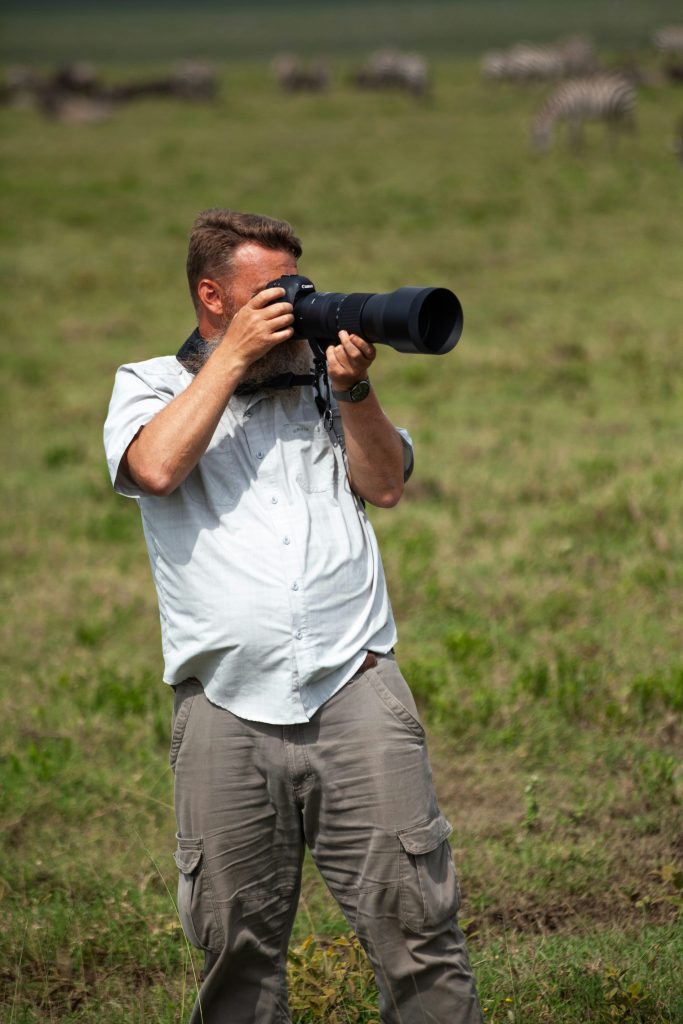
Safari Sun Protection Tips
Understanding the African Sun
Intensity of UV Rays
UV radiation is particularly strong near the equator, making sunburn and heat exposure significant risks. Even during cooler mornings, prolonged sun exposure can affect skin and eyes.
Impact on Wildlife Viewing
Overexposure to the sun can lead to fatigue, dehydration, and sunburn, reducing your ability to fully enjoy game drives and photography opportunities.
Essential Sun Protection Strategies
Wear Protective Clothing
Lightweight, breathable, and neutral-colored clothing shields your skin while keeping you cool. Include long sleeves and trousers to protect against UV rays and insect bites.
Use Sunscreen
Apply a high-SPF sunscreen (30+ recommended) to all exposed skin, including ears, neck, and hands. Reapply every 2–3 hours, especially during full-day excursions.
Hats and Sunglasses
A wide-brimmed hat protects your face, neck, and ears, while UV-protective sunglasses safeguard your eyes from intense sunlight and glare during game drives.
Staying Hydrated and Comfortable
Drink Water Frequently
Heat exposure increases fluid loss. Carry ample water and sip regularly to avoid dehydration, heat exhaustion, and fatigue.
Seek Shade During Midday
Take breaks in shaded areas when possible, especially during the hottest hours (11 am–3 pm), to reduce risk of sunstroke.
Use Buffs or Scarves
Light scarves or buffs can protect your neck, face, and head from direct sunlight while also reducing dust exposure in open safari vehicles.
Protecting Gear From Sun Exposure
Cameras and Binoculars
Direct sunlight and heat can damage optics and electronics. Store gear in padded, heat-resistant cases when not in use.
Vehicle Protection
Park in shaded areas during breaks, if possible, to prevent overheating of sensitive equipment inside safari vehicles.

Safari Sun Protection Tips
Frequently Asked Questions About Safari Sun Protection
Is sun protection necessary during early morning drives?
Yes. UV rays can still cause skin damage even during cooler morning hours.
What SPF level is recommended for safaris?
A broad-spectrum SPF 30 or higher is ideal. Reapply every 2–3 hours.
Can hats and clothing prevent sunburn completely?
They greatly reduce exposure, but sunscreen on exposed areas is still recommended for full protection.
Are sunglasses important on safari?
Absolutely. UV-protective sunglasses prevent eye strain and damage from intense sunlight and glare.
