Tracking Animals
Tracking animals on a safari is an immersive and educational experience. Learning from a trained ranger enhances your understanding of wildlife behavior and increases the chances of successful sightings. Here’s a guide on animal tracking tips with a ranger for a safe, responsible, and memorable safari.
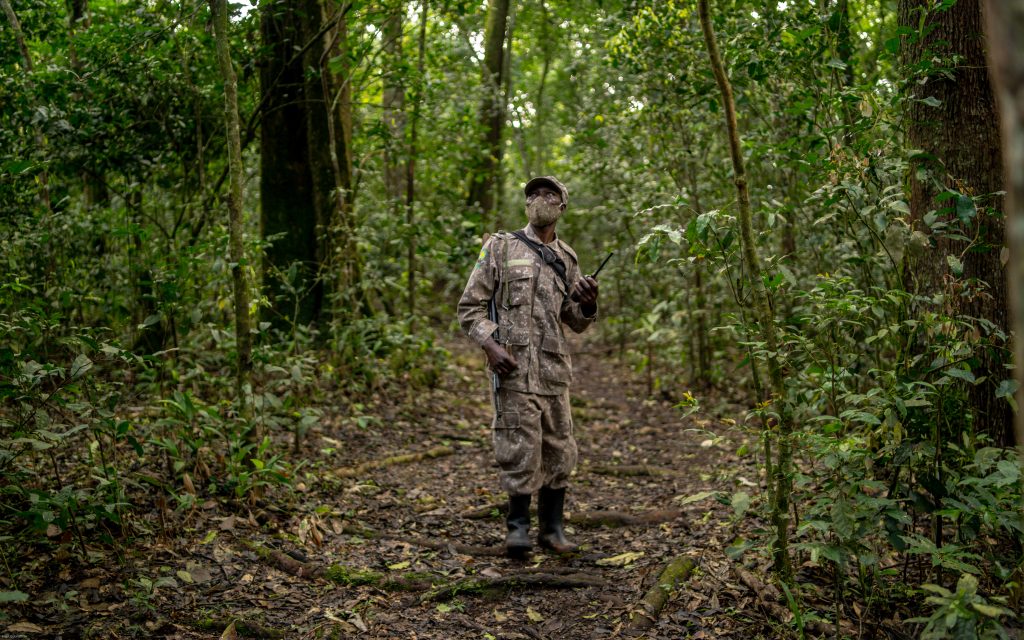
Animal Tracking Tips with a Ranger
Why Tracking with a Ranger is Important
Expertise in Wildlife Behavior
Rangers are trained to interpret tracks, scat, sounds, and feeding signs, allowing you to follow animals safely and observe natural behaviors.
Safety and Conservation
Rangers ensure that tracking occurs without endangering guests or wildlife, minimizing stress on animals and protecting sensitive habitats.
Educational Experience
Tracking with a ranger provides insights into ecosystems, predator-prey dynamics, and conservation challenges, enriching your safari knowledge.
Essential Tips for Animal Tracking
Choose the Right Time of Day
Animals are most active during early morning and late afternoon, when temperatures are cooler and wildlife is easier to spot.
Wear Appropriate Clothing
-
Neutral, earth-toned clothing to blend into the environment
-
Comfortable, sturdy shoes for walking over uneven terrain
-
Hat and sunscreen for sun protection
Bring Necessary Gear
-
Binoculars for spotting animals at a distance
-
Camera for photography without disturbing wildlife
-
Water and light snacks to stay hydrated and energized
Techniques for Effective Tracking
Observe Animal Signs
Learn to recognize footprints, droppings, broken branches, and feeding marks, which indicate recent animal presence.
Follow the Ranger’s Lead
Stay close, move quietly, and follow the ranger’s pace, as sudden movements can startle animals or compromise safety.
Maintain Distance
Use binoculars or zoom lenses rather than approaching animals directly, especially predators or endangered species.
Patience is Key
Tracking requires time, attention, and quiet observation, rushing can cause missed sightings or disturbances.
Responsible Tracking Practices
-
Stay on designated paths to protect vegetation and habitats
-
Avoid loud talking or unnecessary noise
-
Do not touch or feed wildlife
-
Respect park rules and ranger instructions at all times

Animal Tracking Tips with a Ranger
Frequently Asked Questions
Do I need experience to track animals with a ranger?
No, rangers provide all guidance, making tracking suitable for beginners and families.
Which animals can I track on safari?
Depending on the park, you may track predators like lions, herbivores like elephants and zebras, or smaller species like antelopes and primates.
How close can I get to animals?
Maintain a safe distance; rangers guide you on proximity to avoid stressing wildlife or putting yourself at risk.
Are walking safaris with tracking safe?
Yes, when conducted with trained rangers who understand animal behavior and safety protocols
