Reducing Carbon Footprint
Modern travelers are increasingly conscious of the environmental impact of their trips. Safaris, while incredible experiences, can contribute to carbon emissions through flights, vehicles, and lodge operations. Following these tips to reduce your carbon footprint on safari helps you enjoy wildlife adventures responsibly while supporting sustainable tourism.
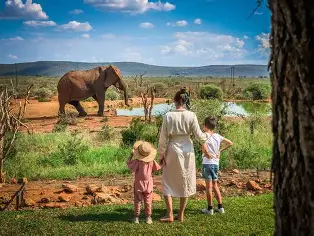
Carbon Footprint
Plan Low-Impact Travel
Choose Direct Flights When Possible
Long-haul flights generate significant carbon emissions. Direct flights minimize takeoffs and landings, reducing overall environmental impact.
Offset Your Carbon Emissions
Use carbon offset programs when booking flights. Many airlines and safari operators offer options to invest in reforestation, renewable energy, or conservation projects.
Opt for Eco-Friendly Accommodations
Select Sustainable Lodges and Camps
Book lodges with eco-certifications, solar or wind energy, water-saving systems, and responsible waste management. This ensures your stay minimizes environmental impact.
Community-Based Lodges
Support community-run lodges that employ locals, preserve culture, and fund conservation projects. This also reduces indirect environmental pressures on local ecosystems.
Reduce Vehicle Emissions
Choose Smaller Safari Vehicles
Where possible, select tours using smaller, fuel-efficient vehicles, or operators committed to low-emission game drives.
Limit Extra Drives
Plan fewer drives per day or combine activities to minimize vehicle use without missing wildlife experiences.
Consider Walking Safaris
Walking safaris or guided hikes produce no emissions and allow for intimate wildlife experiences while reducing environmental impact.
Practice Sustainable Behavior On Safari
Minimize Waste
Bring reusable water bottles, coffee cups, and cutlery. Avoid disposable plastics and properly dispose of all waste.
Respect Wildlife and Habitats
Stay on designated paths, maintain safe distances, and do not feed or disturb animals. This protects ecosystems and preserves natural behaviors.
Use Energy Wisely
Turn off lights, fans, and electronics when not in use in your lodge. Small daily actions cumulatively reduce energy consumption.
Support Conservation and Community Efforts
Donate or Participate in Conservation Projects
Many safari operators offer opportunities to support anti-poaching, reforestation, or wildlife monitoring programs.
Buy Local Products
Purchasing locally made crafts and food reduces the carbon footprint associated with imported goods and supports communities.

Carbon Footprint
Frequently Asked Questions
Can my safari travel really affect the environment?
Yes. Flights, vehicles, and lodge operations all contribute to carbon emissions. Conscious choices help mitigate these impacts.
Are there lodges that are completely carbon neutral?
Some lodges operate fully on renewable energy and offset remaining emissions, but always check certifications.
Does walking safaris really reduce emissions?
Yes, walking safaris produce no vehicle emissions and are low-impact on wildlife and habitats.
How can I offset carbon from flights to Africa?
Use certified carbon offset programs, which often fund reforestation, renewable energy, or conservation initiatives.
