Overview
Winter is an exciting season for safari travelers, offering unique opportunities to observe wildlife in different behavioral patterns. Understanding safari tips for winter wildlife behavior helps visitors anticipate animal movements, optimize game drives, and enhance the overall safari experience. Cooler mornings, dry conditions, and seasonal migrations all influence how animals behave in the wild during winter months.
Understanding Winter Wildlife Behavior
Concentration Around Water Sources
During the winter dry season in East Africa, water becomes scarce. Animals naturally congregate near rivers, lakes, and permanent waterholes. This behavior makes wildlife easier to spot and photograph, increasing the chances of observing predators hunting and herbivores gathering in large herds.
Seasonal Migrations and Herd Movements
Winter coincides with significant migration patterns, such as parts of the Great Migration in Tanzania’s Serengeti or local movements in Kenya’s Maasai Mara. Understanding these seasonal behaviors allows travelers to plan visits to locations where wildlife is most abundant.
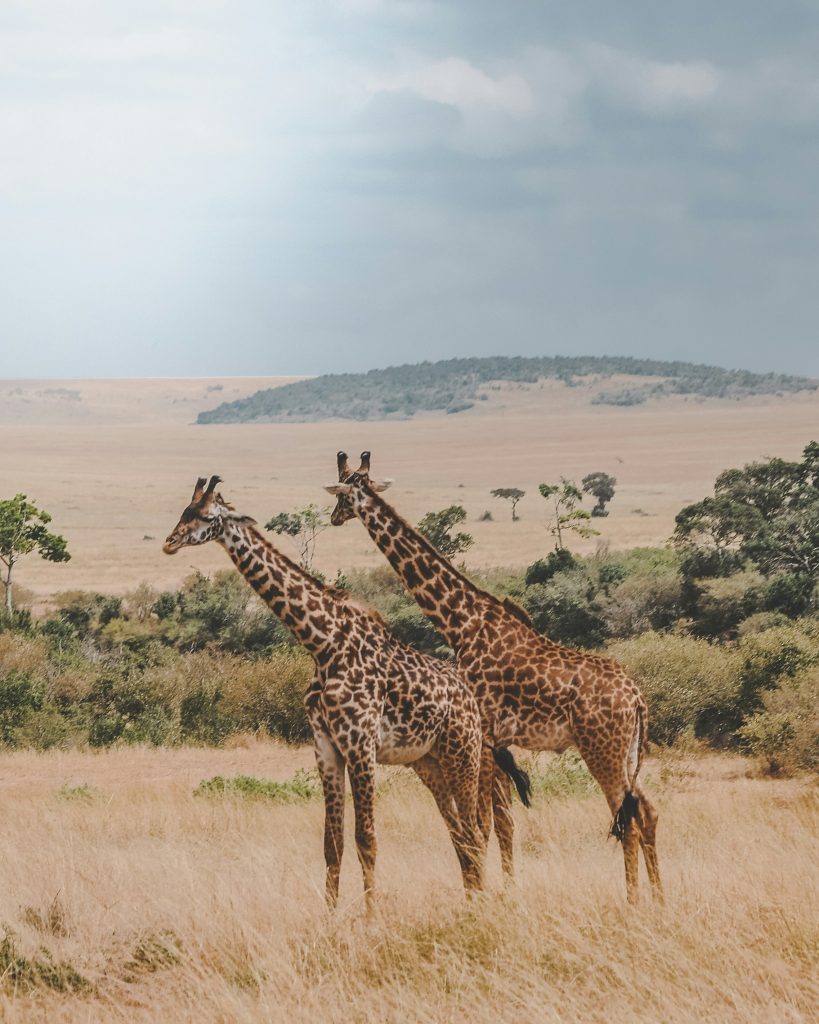
Safari Tips for Wildlife Behavior
Tips for Observing Winter Wildlife
Early Morning and Late Afternoon Game Drives
Animals are most active during cooler parts of the day. Early morning and late afternoon game drives increase the likelihood of spotting big cats, elephants, and other wildlife engaged in feeding, social interaction, or movement.
Use Binoculars and Spotting Techniques
Winter’s open landscapes, with shorter grasses and less dense vegetation, make it easier to see animals from a distance. Binoculars or spotting scopes help track distant herds, while experienced guides can interpret signs like tracks and droppings to locate wildlife.
Patience and Minimal Disturbance
Observing natural behavior requires patience. Maintaining a safe distance and minimizing noise ensures animals remain undisturbed, allowing travelers to capture authentic behaviors such as grooming, territorial displays, or hunting.
Adapting Safari Gear for Winter Wildlife Observation
Clothing and Layering
Cool mornings and evenings require light thermal layers or fleeces. Neutral-colored clothing helps blend into natural surroundings, improving wildlife observation opportunities.
Camera and Photography Tips
Winter light can be softer and more flattering for wildlife photography. Fast lenses, zoom capabilities, and steady tripods are recommended to capture action shots and behaviors from a safe distance.
Behavioral Highlights Unique to Winter Safaris
-
Predator Activity: Lions, leopards, and cheetahs often hunt near waterholes, providing dramatic observation opportunities.
-
Birdlife: Winter attracts migratory birds and waterfowl congregating at shrinking water sources.
-
Herbivore Patterns: Animals like zebras, wildebeest, and elephants form large herds around limited grazing areas.
These patterns make winter an ideal season for travelers seeking educational and immersive wildlife experiences.
Frequently Asked Questions About Winter Wildlife Behavior
Why is winter ideal for observing wildlife?
Winter’s dry conditions concentrate animals near water, shorten vegetation, and enhance visibility, making it easier to spot both predators and prey.
What times of day are best for wildlife observation in winter?
Early mornings and late afternoons are the most active periods for wildlife, while midday is generally quieter as animals rest.
Are certain species easier to see in winter?
Yes, large herbivores, predators, and migratory birds are often more visible due to the dry season’s environmental conditions.
Do I need special equipment to observe wildlife in winter?
Binoculars, a good camera with zoom, and neutral-colored clothing are recommended to optimize observation while blending into the environment.
