Chimpanzee Habituation in Kibale Forest
Kibale Forest National Park is Uganda’s premier primate hotspot, home to over 13 species of primates including chimpanzees (Pan troglodytes). Chimpanzee habituation allows visitors to spend 4–6 hours with these wild primates, observing feeding, grooming, and social behaviors while learning about conservation efforts in 2026.
Entities:
- Pan troglodytes (chimpanzee)
- L’hoest’s monkey, red colobus, grey-cheeked mangabey
- Uganda Wildlife Authority (UWA)
- Kibale Forest canopy
Pro-Tip: Arrive the evening before habituation to acclimatize and avoid early-morning fatigue during the trek.

Chimpanzee Habituation in Kibale Forest
What is Chimpanzee Habituation?
Chimpanzee habituation is the gradual process of familiarizing wild chimpanzees to human presence. In Kibale, trained researchers and guides use months of observation to allow tourists to safely and respectfully observe chimpanzees for extended periods, offering unmatched insights into their behavior and social structures.
Entities:
- Chimpanzee social hierarchy
- Kibale Conservation Education Center
Pro-Tip: Select a small group trek (max 6 participants) for a more intimate and less disruptive habituation experience.
Why Kibale Forest is the Best Place for Habituation
Kibale Forest is considered East Africa’s “primate capital,” hosting over 1,500 chimpanzees and 13 other primate species. Its dense tropical rainforest and network of trails make it ideal for sustained observation of chimpanzees in their natural environment while minimizing human disturbance.
Entities:
- Bigodi Swamp Community Trail
- Ugandan Red Colobus (Procolobus rufomitratus)
- Grey-cheeked mangabey (Lophocebus albigena)
Pro-Tip: Hire a local tracker; they can interpret chimpanzee vocalizations to predict movement and increase your viewing success.
How to Plan Your 2026 Chimpanzee Habituation Safari
Plan at least 3–6 months in advance due to permit limits (Uganda: $500–$700 per habituation trek). Combine Kibale with Queen Elizabeth National Park for Big Five game drives, or Bwindi for gorilla trekking to maximize your East African safari experience in 2026.
Comparison Table: Habituation vs. Regular Chimpanzee Trekking
| Feature | Habituation Trek | Regular Chimp Trek |
|---|---|---|
| Duration | 4–6 hours | 1 hour |
| Interaction | Close observation | Limited distance |
| Participant Group Size | 4–6 | 8–12 |
| Learning Opportunity | High (research insights) | Moderate |
| Cost (2026) | $500–$700 | $150–$200 |
Pro-Tip: Book through trusted operators like All Budget Gorilla Safaris Ltd to secure permits and avoid last-minute cancellations.
What to Expect During a Habituation Trek
Expect a 3–6 hour trek through tropical rainforest, observing chimpanzees foraging, grooming, and interacting socially. Trails are uneven, muddy, and require moderate fitness. Encounters often include other primates like red-tailed monkeys, black-and-white colobus, and bushbucks.
Entities:
- Black-and-white colobus (Colobus guereza)
- Red-tailed monkey (Cercopithecus ascanius)
- Bushbuck (Tragelaphus scriptus)
Pro-Tip: Wear lightweight, waterproof clothing and sturdy boots. Long sleeves protect against insects and sun exposure in the canopy gaps.
Best Time to Go for Chimpanzee Habituation in 2026
The dry seasons (December–February and June–August) are best for habituation. Trails are less muddy, primates are easier to track, and wildlife sightings are higher. Avoid heavy rainfall seasons (March–May, October–November) for safety and visibility.
Pro-Tip: Start early (7–8 AM) when chimpanzees are most active, increasing chances of observing feeding and social behaviors.
Primate Diversity in Kibale Forest
Kibale Forest supports over 13 primate species, including chimpanzees, red colobus, L’hoest’s monkeys, blue monkeys, and grey-cheeked mangabeys. Observing multiple species in one trek enhances ecological understanding and provides a contrast to gorilla trekking in Bwindi.
Entities:
- L’hoest’s monkey (Cercopithecus lhoesti)
- Blue monkey (Cercopithecus mitis)
- Uganda Wildlife Education Centre
Pro-Tip: Bring binoculars; smaller primates like mangabeys and blue monkeys often remain high in the canopy.
Accommodation Near Kibale Forest
Options range from luxury lodges like Primate Lodge to midrange and budget-friendly options such as Kibale Guest Cottages and Bigodi eco-lodges. Staying near Bigodi Swamp enhances early morning treks and community visits.
Comparison Table:
| Lodge / Camp | Category | Highlights |
|---|---|---|
| Primate Lodge | Luxury | Pool, guided treks, canopy view |
| Kibale Guest Cottages | Midrange | Community-owned, eco-friendly |
| Bigodi Eco-Lodges | Budget | Simple tents, wildlife access |
Pro-Tip: Book lodges within 15 minutes of Bigodi Swamp to maximize morning habituation opportunities.
Safety and Ethical Guidelines
Maintain at least 7 meters distance from chimpanzees, avoid eye contact, and follow guide instructions. Use hand sanitizer to prevent disease transmission. Chimpanzee habituation requires strict adherence to ethical protocols to ensure primate safety and sustainability.
Pro-Tip: Avoid trekking if you have flu, cold, or any infectious condition, chimpanzees are highly susceptible to human diseases.
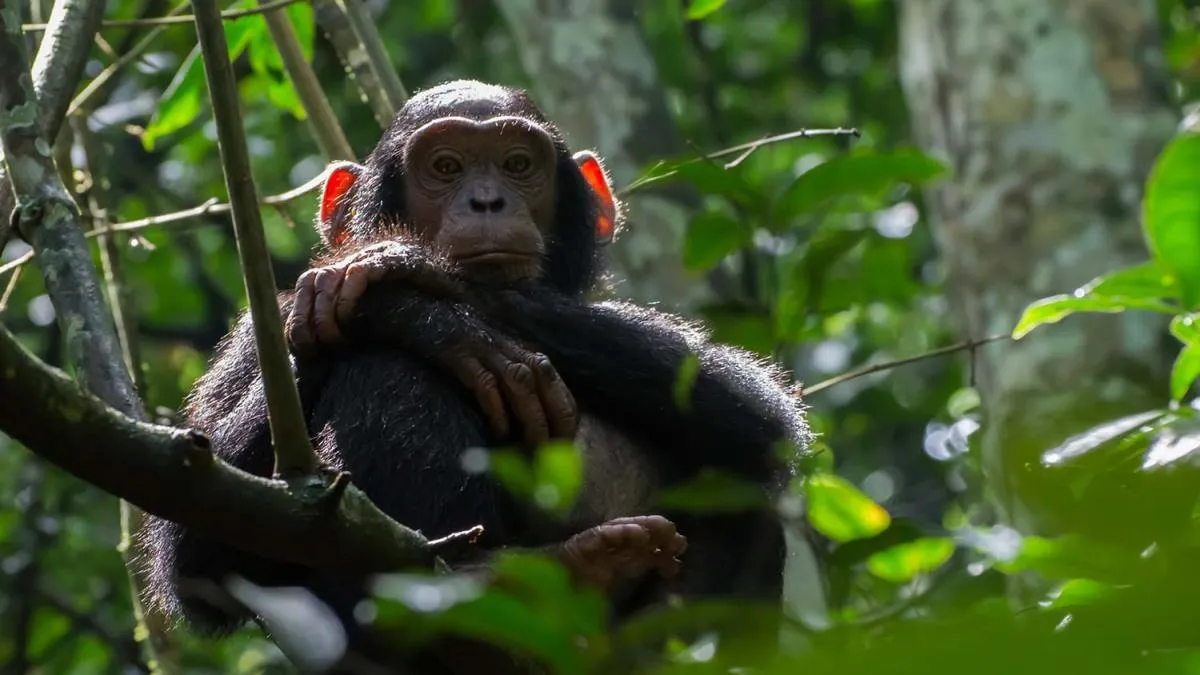
Chimpanzee Habituation in Kibale Forest
Combining Chimpanzee Habituation with Gorilla Trekking
Uganda offers combined safaris in Kibale and Bwindi Impenetrable Forest, allowing visitors to experience both habituated chimpanzees and mountain gorillas. All Budget Gorilla Safaris Ltd specializes in multi-park itineraries, creating seamless transitions between primate treks and Big Five game drives.
Pro-Tip: Plan a 6–10 day safari to allow two full days for gorilla trekking and habituation without feeling rushed.
