Trekking with Purpose
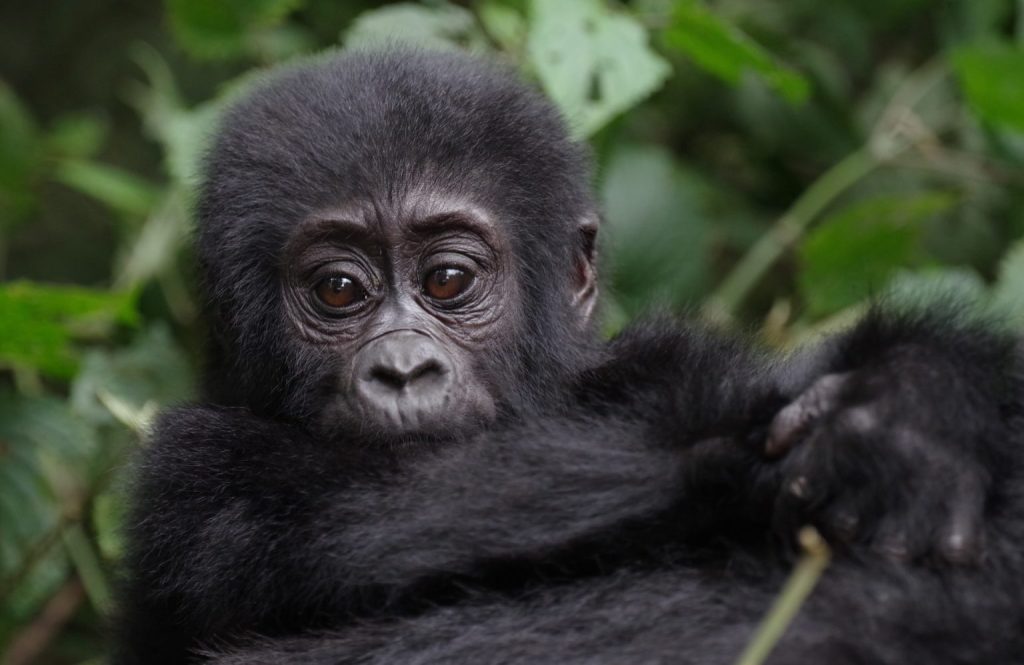
Gorilla trekking in Uganda and Rwanda ranks among Africa’s most powerful wildlife encounters. Standing quietly a few meters from a family of mountain gorillas in their natural forest habitat creates a deep emotional connection with nature. However, this privilege comes with responsibility. Following sustainable gorilla trekking tips helps protect these endangered primates while preserving the fragile ecosystems they depend on.
Sustainable gorilla trekking focuses on ethical behavior, conservation awareness, and respect for both wildlife and local communities. When done responsibly, gorilla trekking supports long-term conservation efforts, funds park management, and improves livelihoods around protected areas. Every trekker plays a role in ensuring mountain gorillas survive for generations to come.
Why Sustainable Gorilla Trekking Matters
Protect Endangered Mountain Gorillas
Mountain gorillas remain critically endangered, with their survival dependent on strict conservation measures. Human interaction, when poorly managed, can expose gorillas to stress, behavioral disruption, and infectious diseases. Sustainable gorilla trekking tips reduce these risks by enforcing distance rules, limiting group sizes, and controlling trekking time. Responsible tourism allows gorillas to live naturally while still generating funds for their protection.
Support Conservation and Local Communities
Gorilla trekking permits directly support conservation programs, ranger salaries, veterinary interventions, and anti-poaching operations. Sustainable tourism also creates employment opportunities for guides, porters, lodge staff, and local artisans. Communities living near Bwindi Impenetrable Forest and Volcanoes National Park benefit from revenue-sharing programs that improve schools, healthcare, and infrastructure. Responsible trekking strengthens the bond between conservation and community development.
Preserve Fragile Forest Ecosystems
Gorilla habitats are complex ecosystems supporting birds, butterflies, primates, and rare plant species. Unsustainable tourism can lead to soil erosion, forest degradation, and wildlife disturbance. Sustainable gorilla trekking tips encourage visitors to stay on designated trails, avoid littering, and respect the forest environment. Protecting these ecosystems ensures gorillas and other species continue to thrive.
Sustainable Gorilla Trekking Tips
When to Go Gorilla Trekking Sustainably
Choosing the right time to visit plays an important role in sustainable gorilla trekking. Uganda and Rwanda offer year-round trekking, but certain seasons provide better conditions for both visitors and conservation efforts.
Best Time to Go
The dry seasons, from June to September and December to February, are considered the best times for gorilla trekking. Trails are less muddy, trekking is easier, and forest disturbance is reduced. These months allow rangers to manage visitor movement more effectively, minimizing habitat damage.
Green Season Considerations
The wet seasons, from March to May and October to November, offer fewer crowds and lush forest scenery. While trails can be challenging, trekking during these months still supports conservation through permit revenue. Visitors should be prepared for rain and follow all sustainable gorilla trekking tips carefully to avoid trail erosion and environmental impact.
Responsible Timing Choices
Traveling during shoulder seasons helps spread tourism benefits throughout the year. This reduces pressure on gorilla families and park infrastructure while supporting consistent conservation funding. Sustainable timing ensures tourism remains balanced and beneficial.
Pre-Trek Preparation Tips
Book with Licensed and Responsible Operators
Always book your trek through licensed tour operators. Professional guides receive training in gorilla behavior, conservation ethics, and visitor safety. Choosing responsible operators ensures compliance with sustainable gorilla trekking tips and park regulations.
Health and Hygiene Precautions
Gorillas share over 98% of human DNA, making them vulnerable to human illnesses.
-
Do not trek if you feel unwell
-
Follow vaccination and health guidelines
-
Use hand sanitizers regularly
-
Wear a face mask if requested by park authorities
Protecting gorilla health remains one of the most important sustainable gorilla trekking practices.
Physical Fitness and Proper Gear
Gorilla trekking can last between two and six hours through steep, forested terrain. Moderate fitness helps reduce fatigue and unintentional environmental damage.
Recommended gear includes:
-
Neutral-colored, lightweight clothing
-
Sturdy hiking boots
-
Rain jacket and long socks
-
Refillable water bottle
-
Small backpack carried responsibly
Being well-prepared reduces stress on both trekkers and wildlife.
Ethical and Sustainable Trekking Practices
Maintain a Safe Distance
Always keep a minimum distance of 7–10 meters from gorillas unless guides advise otherwise. Distance limits reduce stress and lower the risk of disease transmission. Respecting space is a core principle of sustainable gorilla trekking tips.
Follow Ranger and Guide Instructions
Park rangers understand gorilla behavior and forest conditions. Their instructions ensure safe and ethical encounters. Following their guidance protects both visitors and gorillas during the trek.
Minimize Noise and Sudden Movements
Quiet observation allows gorillas to behave naturally. Avoid shouting, running, or sudden gestures. Calm behavior contributes to a peaceful and sustainable trekking experience.
Never Touch or Feed Gorillas
Physical contact and feeding interfere with natural behaviors and increase disease risks. Even if a gorilla approaches you, remain still and follow your guide’s instructions. Responsible behavior protects the entire gorilla family.
Practice Leave No Trace Principles
Carry out all waste, including organic items. Stay on designated paths and avoid breaking vegetation. Sustainable gorilla trekking tips emphasize leaving the forest exactly as you found it.
Photography Tips for Sustainable Gorilla Trekking
Photography should never compromise gorilla welfare.
-
Use zoom lenses instead of moving closer
-
Avoid flash photography at all times
-
Take photos quietly and patiently
-
Focus on natural moments rather than forced shots
Responsible photography preserves authentic experiences while protecting wildlife.
Frequently Asked Questions About Sustainable Gorilla Trekking
What Is the Minimum Age for Gorilla Trekking?
Most parks require trekkers to be 15 years or older. This rule supports safety and conservation guidelines due to physical demands and health considerations.
Can I Trek If I Am Sick?
No. Even mild illnesses can pose serious risks to gorillas. Rescheduling protects wildlife and supports sustainable gorilla trekking principles.
Are Gorilla Trekking Permits Expensive?
Permits cost approximately $800 in Uganda and $1,500 in Rwanda. These fees fund conservation programs, ranger protection, and community projects, making them essential investments in sustainability.
How Can I Support Conservation Beyond the Trek?
Choose eco-friendly lodges, respect local cultures, tip responsibly, and support community initiatives. Every ethical choice strengthens sustainable gorilla trekking efforts.
Final Thoughts on Sustainable Gorilla Trekking Tips
Sustainable gorilla trekking is not just about seeing wildlife; it is about protecting it. By following responsible guidelines, choosing the right time to visit, and respecting both nature and communities, travelers help secure a future for mountain gorillas. These sustainable gorilla trekking tips ensure that each trek leaves a positive impact, preserving one of Africa’s most remarkable wildlife experiences for generations to come.
Short Day Uganda Safaris & Short Uganda Tour Holidays
- 1-Day Chimpanzee Trekking Tour Experience Budongo Forest
- 1-Day Lake Mburo Uganda Wildlife Adventure Safari
- 1-Day Trip to the Uganda Equator
- 1-Day Uganda White Water Rafting Trip from Entebbe
- 2-Day Chimpanzee Trek & Canopy Walk Adventure in Nyungwe
- 2-Day Kibale Chimp Trekking Tour
- 2-Day Lake Mburo Wildlife Viewing Safari Uganda
- 2-Day Murchison Falls Budget Big Five (5) Safari Tour
- 2-Day Uganda Chimpanzee and Rhino Tracking Safari
- 1-Day Gorilla Tracking Bwindi from Kigali
- 1-Day Rwanda Gorilla Trekking Tour from Kigali
- 2-Day Bwindi Gorilla Trekking Safari from Kigali
- 2-Day Bwindi National Park Budget Tour
- 2-Day Gorilla Rwanda Golden Monkey Trekking Safari
- 2-Day Uganda Chimpanzee and Rhino Tracking Safari
- 5-Day Short Uganda Gorilla Trekking Safari (by road)
- 4 Days Uganda Gorillas and Chimps Trekking Safari
- 4 Days Double Gorilla Trekking Safari Rwanda & Uganda
- 4 Days Uganda Chimpanzee Trek and Gorilla Trek Safari
- 5 Days Chimpanzee Trek and Gorilla Safari – Uganda, Rwanda
- 5 Days Uganda Chimpanzee & Gorilla Habituation Safari
- 5 Days Double Gorilla Trek – Flying
- 5 days gorilla habituation & Batwa-flying
- 5 days gorilla trekking by road
