Overview
Choosing the Best Time for a Hot-Weather Safari allows travelers to experience Africa at its most dramatic and rewarding. Hot-weather safaris take place mainly during dry seasons, when sunshine dominates the landscape, wildlife concentrates around water sources, and visibility improves across open savannahs. These conditions create exceptional opportunities for game viewing, photography, and classic safari moments.
While temperatures rise, careful timing, preparation, and pacing ensure comfort for couples, families, and even multi-generational travelers. Understanding seasonal patterns helps travelers enjoy wildlife-rich destinations while avoiding unnecessary discomfort.

Best Time for a Hot-Weather Safari
Understanding Hot-Weather Safari Conditions
Temperature Patterns
The Best Time for a Hot-Weather Safari usually aligns with dry seasons, when daytime temperatures range between 25°C and 35°C (77°F–95°F), sometimes higher. Mornings and evenings remain cooler, making them ideal for game drives and walking safaris. Nights during winter dry seasons can feel surprisingly cool, offering restful sleep after warm days.
Wildlife Behavior
Hot, dry months encourage animals to gather around rivers, lakes, and waterholes. This behavior improves sightings of elephants, buffalo, lions, giraffes, zebras, and hippos. Predators remain active during early mornings and late afternoons, increasing chances of dramatic encounters. These patterns define why many travelers consider this period the Best Time for a Hot-Weather Safari.
Landscape and Scenery
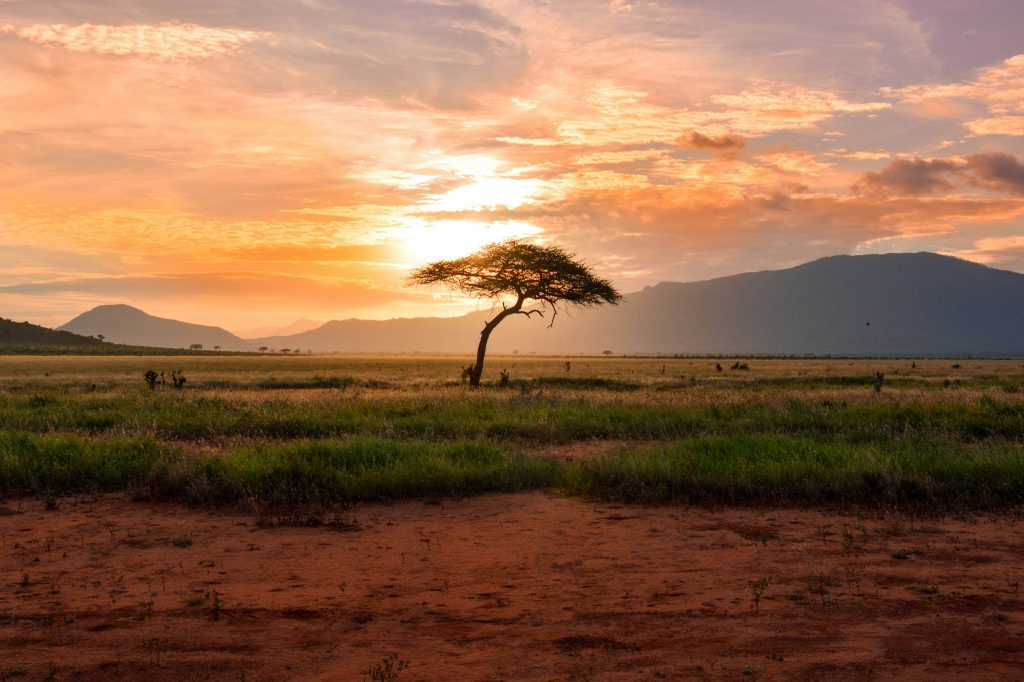
Dry seasons bring sparse vegetation, dusty tracks, and open plains. While landscapes appear less green, visibility improves significantly. Wildlife stands out clearly against the terrain, making photography easier. Open savannahs and riverbanks provide iconic safari scenery under clear blue skies.
Best Months for a Hot-Weather Safari
East Africa
-
Kenya: January to March and June to September
-
Tanzania: June to October
These months feature minimal rainfall, high temperatures, and concentrated wildlife. They also coincide with some of Africa’s most famous wildlife events.
These periods fall within dry winter seasons, offering excellent wildlife visibility, fewer insects, and cooler nights despite warm daytime temperatures.
Across regions, these windows represent the Best Time for a Hot-Weather Safari for travelers seeking classic game viewing.
Peak Dry Season: Best for Classic Game Viewing
When and Why
The peak dry season runs from June to October, with an additional dry window in December to February in parts of East Africa. During these months, animals congregate at water sources, vegetation thins out, and game drives become highly productive.
Highlights
-
Great Migration river crossings in the Serengeti and Maasai Mara from July to September
-
Easier sightings of big cats and large herds
-
Lower malaria risk compared to wetter months
Weather
Expect hot days and cooler nights, especially during winter dry seasons. These conditions define the Best Time for a Hot-Weather Safari for travelers focused on wildlife density and visibility.
Shoulder and Green Seasons: Lush but Hot
When
November to April marks the green or shoulder season in many safari destinations.
Why Travel Then
This period offers lush landscapes, fewer crowds, and excellent birdwatching. January and February bring calving seasons, attracting predators and offering unique wildlife behavior.
Challenges
Heat and humidity increase, and short rains may occur. Dense vegetation can make wildlife harder to spot. While still rewarding, this season differs from the classic Best Time for a Hot-Weather Safari, favoring scenery and tranquility over visibility.
Key Destinations and Timing
Serengeti & Maasai Mara
-
July to October for river crossings
-
January to February for calving season
Uganda & Rwanda (Gorillas and Chimpanzees)
-
June to August and December to February offer drier conditions and easier trekking
These periods align well with the Best Time for a Hot-Weather Safari, combining wildlife viewing with manageable trail conditions.
Tips for Enjoying a Hot-Weather Safari
Dress for the Heat
Wear lightweight, breathable clothing in neutral colors. Long sleeves and trousers protect from sun and insects. Hats and sunglasses shield against intense sunlight.
Stay Hydrated
Carry water at all times and drink frequently. Hydration maintains energy and focus during game drives.
Plan Game Drives Strategically
Schedule activities early in the morning and late afternoon. These hours offer cooler temperatures and higher animal activity.
Protect Your Gear
Heat, dust, and sunlight affect cameras and electronics. Use protective cases and lens covers to maintain performance.
Best Time for a Hot-Weather Safari
FAQs About Hot-Weather Safaris
When is the absolute Best Time for a Hot-Weather Safari?
Generally, June to September in East and Southern Africa offers optimal wildlife viewing and manageable heat.
Are hot-weather safaris uncomfortable?
With proper preparation, hydration, and timing, they remain highly enjoyable.
Is wildlife easier to spot in hot weather?
Yes. Animals gather around water sources, and sparse vegetation improves visibility.
Is it safe for children and elderly travelers?
Yes, with precautions such as light clothing, sun protection, hydration, and flexible schedules.
Final Takeaway
The Best Time for a Hot-Weather Safari falls within Africa’s dry seasons, when wildlife concentrates, landscapes open up, and iconic safari moments unfold. Peak dry months deliver classic game viewing, while green seasons offer beauty and tranquility with added heat. By understanding seasonal patterns, planning strategically, and preparing for warm conditions, travelers enjoy unforgettable wildlife experiences under Africa’s sunlit skies.
Short Day Uganda Safaris & Short Uganda Tour Holidays
- 1-Day Chimpanzee Trekking Tour Experience Budongo Forest
- 1-Day Lake Mburo Uganda Wildlife Adventure Safari
- 1-Day Trip to the Uganda Equator
- 1-Day Uganda White Water Rafting Trip from Entebbe
- 2-Day Chimpanzee Trek & Canopy Walk Adventure in Nyungwe
- 2-Day Kibale Chimp Trekking Tour
- 2-Day Lake Mburo Wildlife Viewing Safari Uganda
- 2-Day Murchison Falls Budget Big Five (5) Safari Tour
- 2-Day Uganda Chimpanzee and Rhino Tracking Safari
- 1-Day Gorilla Tracking Bwindi from Kigali
- 1-Day Rwanda Gorilla Trekking Tour from Kigali
- 2-Day Bwindi Gorilla Trekking Safari from Kigali
- 2-Day Bwindi National Park Budget Tour
- 2-Day Gorilla Rwanda Golden Monkey Trekking Safari
- 2-Day Uganda Chimpanzee and Rhino Tracking Safari
- 5-Day Short Uganda Gorilla Trekking Safari (by road)
- 4 Days Uganda Gorillas and Chimps Trekking Safari
- 4 Days Double Gorilla Trekking Safari Rwanda & Uganda
- 4 Days Uganda Chimpanzee Trek and Gorilla Trek Safari
- 5 Days Chimpanzee Trek and Gorilla Safari – Uganda, Rwanda
- 5 Days Uganda Chimpanzee & Gorilla Habituation Safari
- 5 Days Double Gorilla Trek – Flying
- 5 days gorilla habituation & Batwa-flying
- 5 days gorilla trekking by road
