Overview
Traveling from cold states to warmer safari destinations brings excitement, wildlife, and adventure. However, sudden climate changes can trigger weather shock, leaving travelers tired, dehydrated, or uncomfortable during the first days of their safari.
Understanding how to avoid weather shock on a safari ensures a smoother transition, better health, and a more enjoyable experience during game drives, walking safaris, and cultural tours. With the right preparation before departure and smart habits after arrival, travelers can adapt comfortably and enjoy their safari holiday from day one.
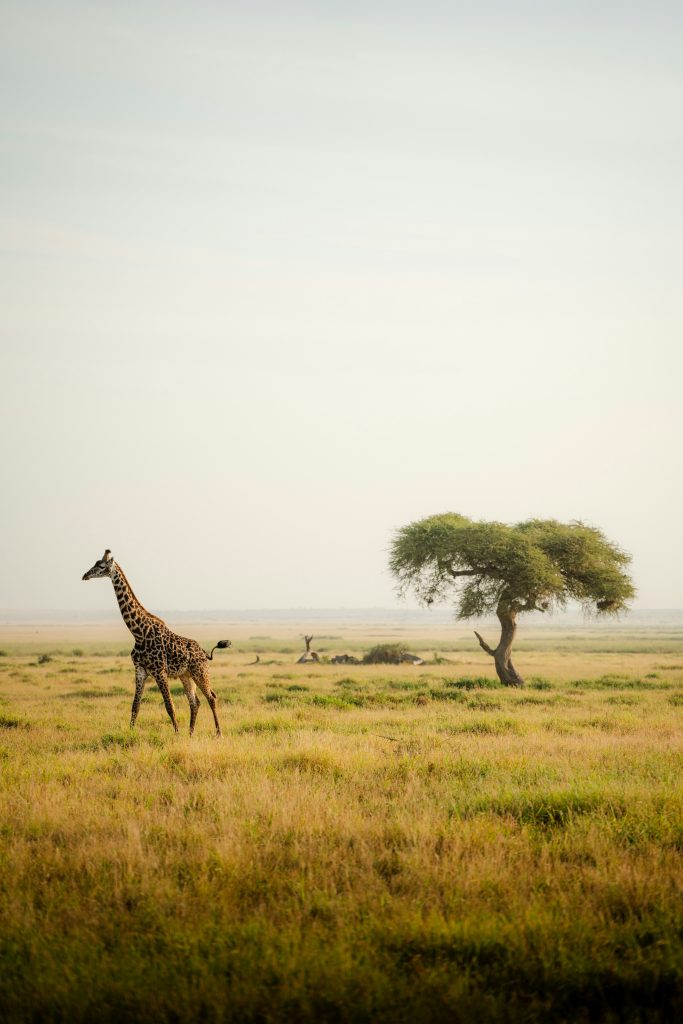
How to Avoid Weather Shock on a Safari
Understanding Weather Shock on a Safari
Weather shock occurs when the body struggles to adapt quickly to drastic changes in temperature, humidity, and sunlight. Travelers leaving cold states often move from dry, cold air to warm or humid safari environments.
This shift affects hydration levels, sleep patterns, energy, and overall comfort. Knowing how to avoid weather shock on a safari helps prevent fatigue, dizziness, dehydration, and heat-related discomfort, especially during early game drives and outdoor activities.
Prepare Physically Before Departure
Gradually Adjust Your Routine
Begin adjusting your sleep, meal, and activity schedules several days before travel. Aligning closer to your destination’s time zone reduces jet lag and helps your body handle temperature changes. This step strengthens resilience against weather shock and improves alertness during early safari mornings.
Condition Your Body for Warmer Weather
Light exercise and increased hydration before departure prepare your body for heat and humidity. Physical conditioning improves circulation and temperature regulation, making adaptation smoother once the safari begins.
Health Check and Vaccinations
Confirm routine vaccinations and consult a healthcare provider for travel-specific advice. Carry prescriptions and a basic first-aid kit. Good health preparation forms a key part of how to avoid weather shock on a safari, especially in remote wildlife areas.
Dressing Smartly for Climate Transition
Layering Strategy
Start your journey wearing removable layers. Layering allows gradual adaptation from cold departure climates to warmer safari regions. Lightweight, breathable fabrics like cotton blends or technical materials help regulate body temperature effectively.
Sun Protection
Travelers from cold states often underestimate sun intensity. Use wide-brimmed hats, sunglasses, and high-SPF sunscreen. Protecting skin reduces heat stress and supports a smoother climate transition.
Comfortable Footwear
Choose breathable, supportive shoes. Proper footwear reduces fatigue during walking safaris and lodge activities while helping your body adjust to warmer conditions.
Hydration and Nutrition Tips
Drink Plenty of Water
Warm climates increase fluid loss through sweating. Hydrate frequently, even without thirst. Proper hydration remains one of the most effective ways to manage how to avoid weather shock on a safari.
Eat Light and Balanced Meals
Choose fruits, vegetables, and light proteins. Heavy meals increase sluggishness during climate transitions. Balanced nutrition supports energy and digestion in warmer environments.
Limit Caffeine and Alcohol
Both accelerate dehydration and worsen fatigue. Reducing intake helps your body adapt faster to safari climates and maintain steady energy levels.
Managing Health During the First Safari Days
Pace Your Activities
Avoid overexertion during the first 24–48 hours. Begin with shorter game drives and relaxed walking tours. Gradual exposure allows your body to adjust naturally.
Rest and Sleep Well
Choose accommodations with good ventilation and comfortable sleeping conditions. Adequate rest supports recovery from travel stress and climate change.
Monitor for Symptoms
Watch for dizziness, nausea, headaches, or unusual fatigue. Early recognition of heat exhaustion allows quick response and prevents complications.
Cold Climate Awareness Before Departure
Preparing to leave cold states also involves protecting your body before travel.
Dress Properly Before Departure
Use layered clothing, thermal inner layers, and wind-resistant outerwear. Keep extremities warm to avoid pre-travel fatigue or illness that can worsen weather shock later.
Stay Dry and Hydrated
Wet clothing increases heat loss. Stay dry and drink warm fluids before departure. Proper hydration begins before you board your flight.
Watch for Cold-Related Symptoms
Be alert for numbness, excessive shivering, or confusion. Addressing cold stress early prevents health issues that can compound climate adaptation challenges later.

How to Avoid Weather Shock on a Safari
Frequently Asked Questions
What is weather shock on a safari?
Weather shock happens when the body struggles to adapt to sudden temperature and climate changes, leading to fatigue, dehydration, or discomfort.
How can I prepare before leaving cold states?
Adjust sleep schedules, hydrate well, exercise lightly, dress in layers, and ensure medical preparations are complete.
What clothing helps prevent weather shock on a safari?
Layered, breathable clothing, sun protection, and comfortable footwear support smooth climate transition.
How long does it take to adapt to safari climates?
Most travelers adjust within one to three days with proper hydration, nutrition, rest, and pacing.
Final Takeaway
Understanding how to avoid weather shock on a safari ensures comfort, health, and enjoyment when traveling from cold states to warmer wildlife destinations. Physical preparation, smart clothing choices, hydration, balanced nutrition, and gradual activity pacing all support smooth adaptation.
By preparing before departure and managing health carefully after arrival, travelers enjoy game drives, walking safaris, and cultural experiences without unnecessary fatigue. These strategies ensure your safari begins comfortably and stays memorable from start to finish.
Short Day Uganda Safaris & Short Uganda Tour Holidays
- 1-Day Chimpanzee Trekking Tour Experience Budongo Forest
- 1-Day Lake Mburo Uganda Wildlife Adventure Safari
- 1-Day Trip to the Uganda Equator
- 1-Day Uganda White Water Rafting Trip from Entebbe
- 2-Day Chimpanzee Trek & Canopy Walk Adventure in Nyungwe
- 2-Day Kibale Chimp Trekking Tour
- 2-Day Lake Mburo Wildlife Viewing Safari Uganda
- 2-Day Murchison Falls Budget Big Five (5) Safari Tour
- 2-Day Uganda Chimpanzee and Rhino Tracking Safari
- 1-Day Gorilla Tracking Bwindi from Kigali
- 1-Day Rwanda Gorilla Trekking Tour from Kigali
- 2-Day Bwindi Gorilla Trekking Safari from Kigali
- 2-Day Bwindi National Park Budget Tour
- 2-Day Gorilla Rwanda Golden Monkey Trekking Safari
- 2-Day Uganda Chimpanzee and Rhino Tracking Safari
- 5-Day Short Uganda Gorilla Trekking Safari (by road)
- 4 Days Uganda Gorillas and Chimps Trekking Safari
- 4 Days Double Gorilla Trekking Safari Rwanda & Uganda
- 4 Days Uganda Chimpanzee Trek and Gorilla Trek Safari
- 5 Days Chimpanzee Trek and Gorilla Safari – Uganda, Rwanda
- 5 Days Uganda Chimpanzee & Gorilla Habituation Safari
- 5 Days Double Gorilla Trek – Flying
- 5 days gorilla habituation & Batwa-flying
- 5 days gorilla trekking by road
