Self-Care Tips
Hot-climate safaris are exhilarating, but high temperatures, sun exposure, and long game drives can take a toll on your body. Implementing self-care tips for hot-climate safaris ensures you stay healthy, energized, and comfortable while enjoying Africa’s wildlife and landscapes.
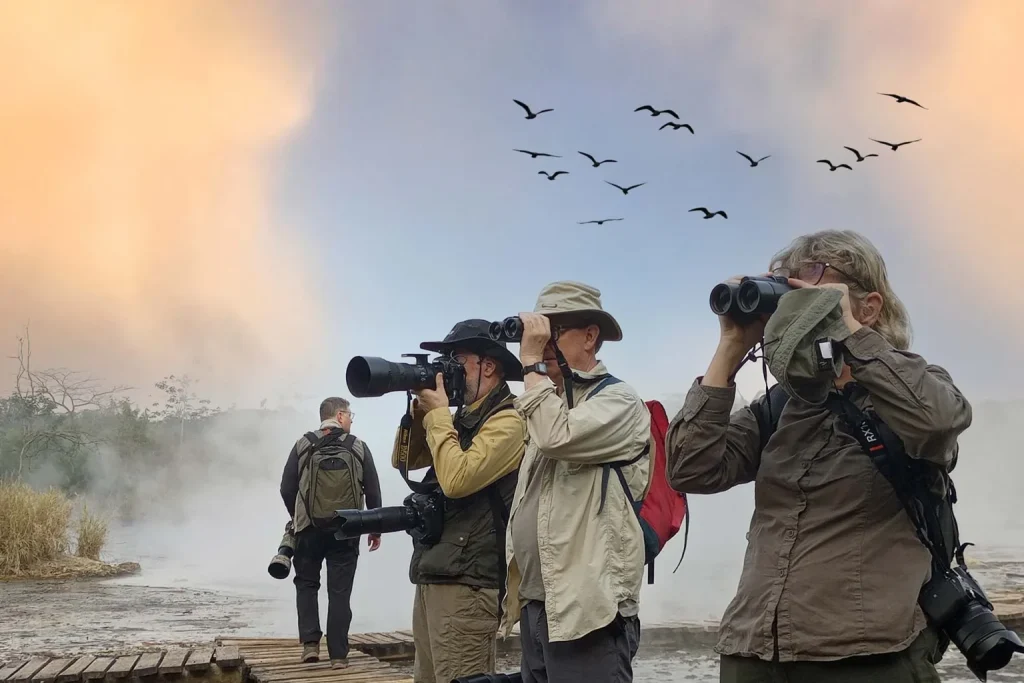
Self-Care Tips for Hot-Climate Safaris
Prioritize Hydration
Drink Water Regularly
Carry a reusable water bottle and sip throughout the day. Dehydration can quickly lead to fatigue, heat exhaustion, or reduced alertness during wildlife viewing.
Include Electrolytes
Adding electrolyte powders or drinks helps replenish salts lost through sweat and prevents cramping or dizziness.
Protect Yourself from the Sun
Use High-SPF Sunscreen
Apply broad-spectrum SPF 30+ sunscreen to all exposed areas, including face, neck, and ears. Reapply every 2–3 hours, especially during long drives.
Wear Protective Clothing
Lightweight, breathable long-sleeved shirts, hats, and neck buffs shield skin from harmful UV rays while keeping you cool.
Sunglasses for Eye Protection
UV-protective, wrap-around sunglasses reduce glare and prevent eye strain in bright conditions.
Manage Energy and Nutrition
Eat Light, Balanced Meals
Opt for fruits, vegetables, and protein-rich snacks to maintain energy without feeling sluggish. Avoid heavy meals before long drives.
Snack Smartly
Carry nuts, energy bars, or dried fruits for mid-drive boosts to prevent fatigue and maintain focus.
Cooling Strategies During Drives
Dress in Breathable Layers
Layering allows you to adjust to fluctuating temperatures, especially for early morning or late afternoon drives.
Use Cooling Accessories
Lightweight buffs, scarves, or damp towels can be placed on the neck or head to lower body temperature.
Seek Shade During Breaks
Whenever possible, pause under trees or lodge canopies to reduce direct sun exposure.
Health and Safety Precautions
Know Your Limits
Pay attention to dizziness, excessive fatigue, or nausea. If symptoms arise, stop, hydrate, and rest immediately.
Buddy System
Travel with a companion or guide who can monitor for signs of heat stress and assist in emergencies.
Plan Timing of Activities
Schedule early morning and late afternoon drives to avoid peak heat and reduce stress on the body.
Frequently Asked Questions About Hot-Climate Safari Self-Care
How much water should I drink during a safari?
Sip consistently; aim for at least 2–3 liters per day, more if you sweat heavily.
Are electrolyte drinks necessary?
They are highly recommended for extended drives or strenuous activities to prevent cramping and dehydration.
Can I use sunscreen on a humid safari?
Yes, use water-resistant sunscreen and reapply as needed, especially after sweating.
What should I do if I feel overheated?
Move to shade, sip water, cool your neck and wrists, and notify your guide if symptoms persist.
Short Day Uganda Safaris & Short Uganda Tour Holidays
- 1-Day Chimpanzee Trekking Tour Experience Budongo Forest
- 1-Day Lake Mburo Uganda Wildlife Adventure Safari
- 1-Day Trip to the Uganda Equator
- 1-Day Uganda White Water Rafting Trip from Entebbe
- 2-Day Chimpanzee Trek & Canopy Walk Adventure in Nyungwe
- 2-Day Kibale Chimp Trekking Tour
- 2-Day Lake Mburo Wildlife Viewing Safari Uganda
- 2-Day Murchison Falls Budget Big Five (5) Safari Tour
- 2-Day Uganda Chimpanzee and Rhino Tracking Safari
- 1-Day Gorilla Tracking Bwindi from Kigali
- 1-Day Rwanda Gorilla Trekking Tour from Kigali
- 2-Day Bwindi Gorilla Trekking Safari from Kigali
- 2-Day Bwindi National Park Budget Tour
- 2-Day Gorilla Rwanda Golden Monkey Trekking Safari
- 2-Day Uganda Chimpanzee and Rhino Tracking Safari
- 5-Day Short Uganda Gorilla Trekking Safari (by road)
- 4 Days Uganda Gorillas and Chimps Trekking Safari
- 4 Days Double Gorilla Trekking Safari Rwanda & Uganda
- 4 Days Uganda Chimpanzee Trek and Gorilla Trek Safari
- 5 Days Chimpanzee Trek and Gorilla Safari – Uganda, Rwanda
- 5 Days Uganda Chimpanzee & Gorilla Habituation Safari
- 5 Days Double Gorilla Trek – Flying
- 5 days gorilla habituation & Batwa-flying
- 5 days gorilla trekking by road
