Why Gorilla Trekking in Uganda is a Must-Do.
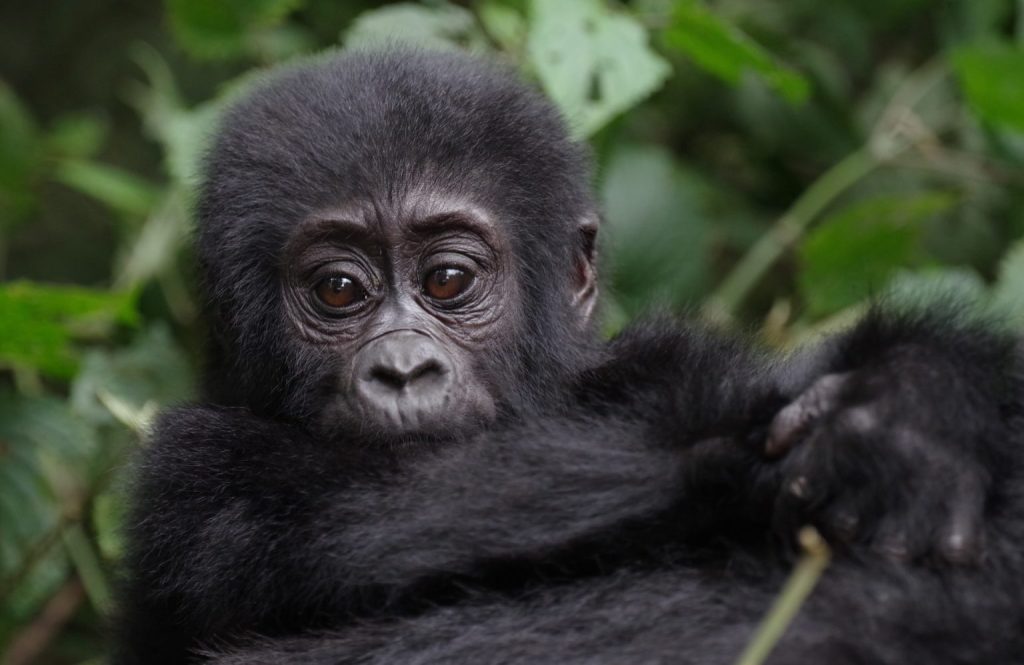
Gorilla trekking in Uganda is a once-in-a-lifetime adventure, offering travelers close encounters with mountain gorillas in their natural habitat. Uganda’s Bwindi Impenetrable Forest, Mgahinga Gorilla National Park, and Volcanoes National Park provide the perfect backdrop for luxury safaris, family-friendly tours, walking safaris, and wildlife photography expeditions. Understanding the Ultimate Guide to Gorilla Trekking in Uganda ensures travelers maximize their experience safely and responsibly while enjoying luxury accommodations, expert-guided treks, and cultural immersion.
Sustainable Gorilla Trekking Tips
Incredible Wildlife Encounters.
Gorilla trekking allows visitors to observe mountain gorillas in their natural environment, witness social interactions, and photograph these gentle giants up close. Private safari vehicles and walking tours enhance the experience for family-friendly safaris and luxury wildlife tours.
Immersive Forest Experience.
Trekking through dense rainforest trails, rivers, and scenic hills provides an intimate connection with nature. Alongside gorillas, trekkers may see golden monkeys, forest elephants, and diverse bird species, making the safari adventure multi-dimensional.
Conservation and Ethical Travel.
Uganda prioritizes gorilla conservation and sustainable tourism, ensuring treks are limited to small groups with trained guides, maintaining the gorillas’ safety and natural behavior. Travelers contribute directly to local community development and conservation initiatives, enhancing the impact of their safari holiday.
Preparing for Your Gorilla Trekking Adventure.
Choosing the Right Park.
Uganda has three main gorilla trekking destinations:
-
Bwindi Impenetrable Forest: Famous for multiple habituated gorilla families, ideal for family tours and walking safaris.
-
Mgahinga Gorilla National Park: Smaller and less crowded, perfect for luxury safari travelers seeking intimacy.
-
Volcanoes National Park (Rwanda-Uganda border): Offers combined gorilla trekking and golden monkey tracking tours.
Trekking Permits.
Gorilla trekking requires pre-booked permits, often costing US$800 per person in Uganda. Early booking is essential, especially during peak seasons. Families with children over 15 can participate, making it suitable for family-friendly safari trips.
Physical Preparation.
Gorilla treks range from 2–8 hours through steep and muddy terrain. Light hiking experience, fitness, and proper hiking boots, gloves, and rain gear improve comfort. Layered clothing allows adaptability to changing temperatures and forest humidity.
What to Wear for Gorilla Trekking.
Practical and Protective Clothing.
-
Long-sleeve shirts and trousers to prevent insect bites and scratches.
-
Lightweight, breathable layers for temperature changes.
-
Rain jacket and waterproof clothing during rainy seasons.
-
Sturdy hiking boots and socks for forest trails.
Accessories.
-
Gloves for thorny vegetation, hats, and buffs.
-
Camera, binoculars, and rain covers for photography safaris.
-
Backpacks for water, snacks, and permits during walking tours.
Guided Gorilla Trekking Experience.
Experienced Guides.
Trained Ugandan guides lead treks, ensuring safety, providing wildlife insight, and sharing gorilla behavioral knowledge. Private groups enjoy personalized attention, photography tips, and tailored walking safari routes.
Trekking Tips.
-
Maintain minimum distance of 7 meters from gorillas.
-
Move slowly and quietly, respecting gorilla space.
-
Limit photography flash and noise to avoid distress.
-
Stay alert to terrain challenges, such as slippery slopes and dense vegetation.
Luxury and Family-Friendly Accommodations.
Luxury Lodges.
Bwindi and Mgahinga offer luxury lodges and tented camps with plunge pools, spa services, fine dining, and panoramic views. These accommodations allow travelers to relax in style after long trekking adventures, catering to couples, families, and high-end safari enthusiasts.
Family-Friendly Options.
Family lodges provide child-friendly meals, spacious rooms, and safe outdoor areas, ensuring multi–generational trips are comfortable and enjoyable. Guides can tailor shorter treks or walking tours for younger participants over 15.
Combining Gorilla Trekking with Other Activities.
Cultural Tours.
Visit Batwa pygmy communities, local craft markets, and village tours to experience authentic Ugandan culture, adding a cultural dimension to wildlife safaris.
Wildlife Safaris and Hiking.
Combine gorilla trekking with game drives in Queen Elizabeth National Park, chimpanzee trekking in Kibale Forest, or hiking in the Rwenzori Mountains. These add diverse wildlife encounters, bird-watching opportunities, and adventure experiences.
Relaxation and Wellness.
Luxury lodges often offer spas, hot springs, and scenic terraces, allowing travelers to unwind after physically demanding trekking trips.
Frequently Asked Questions.
What is the best time for gorilla trekking in Uganda?
The dry seasons, June–September and December–February, offer easier trekking conditions and optimal wildlife viewing.
Who can go gorilla trekking in Uganda?
Participants must be 15 years or older. Fitness for hiking and walking through dense forests is recommended.
How long does a gorilla trek last?
Trekking durations range from 2–8 hours, depending on gorilla location and terrain.
Do I need a guide for gorilla trekking?
Yes, trained guides ensure safety, provide insight, and manage ethical trekking protocols.
Can I combine gorilla trekking with other safari activities?
Yes, treks can be combined with walking safaris, game drives, cultural tours, and hiking trips for a full Uganda wildlife experience.
Short Day Uganda Safaris & Short Uganda Tour Holidays.
- 1-Day Chimpanzee Trekking Tour Experience Budongo Forest
- 1-Day Lake Mburo Uganda Wildlife Adventure Safari
- 1-Day Trip to the Uganda Equator
- 1-Day Uganda White Water Rafting Trip from Entebbe
- 2-Day Chimpanzee Trek & Canopy Walk Adventure in Nyungwe
- 2-Day Kibale Chimp Trekking Tour
- 2-Day Lake Mburo Wildlife Viewing Safari Uganda
- 2-Day Murchison Falls Budget Big Five (5) Safari Tour
- 2-Day Uganda Chimpanzee and Rhino Tracking Safari
- 1-Day Gorilla Tracking Bwindi from Kigali
- 1-Day Rwanda Gorilla Trekking Tour from Kigali
- 2-Day Bwindi Gorilla Trekking Safari from Kigali
- 2-Day Bwindi National Park Budget Tour
- 2-Day Gorilla Rwanda Golden Monkey Trekking Safari
- 2-Day Uganda Chimpanzee and Rhino Tracking Safari
- 5-Day Short Uganda Gorilla Trekking Safari (by road)
- 4 Days Uganda Gorillas and Chimps Trekking Safari
- 4 Days Double Gorilla Trekking Safari Rwanda & Uganda
- 4 Days Uganda Chimpanzee Trek and Gorilla Trek Safari
- 5 Days Chimpanzee Trek and Gorilla Safari – Uganda, Rwanda
- 5 Days Uganda Chimpanzee & Gorilla Habituation Safari
- 5 Days Double Gorilla Trek – Flying
- 5 days gorilla habituation & Batwa-flying
- 5 days gorilla trekking by road
