Safari Overview
Dry-season safaris are widely regarded as the best time to experience Africa’s wildlife at its most visible and dramatic. Occurring when rainfall is minimal and landscapes open up, the dry season offers travelers excellent game viewing, comfortable travel conditions, and predictable wildlife movement. Understanding what to expect from dry-season safaris helps travelers plan informed, rewarding, and well-timed safari adventures.
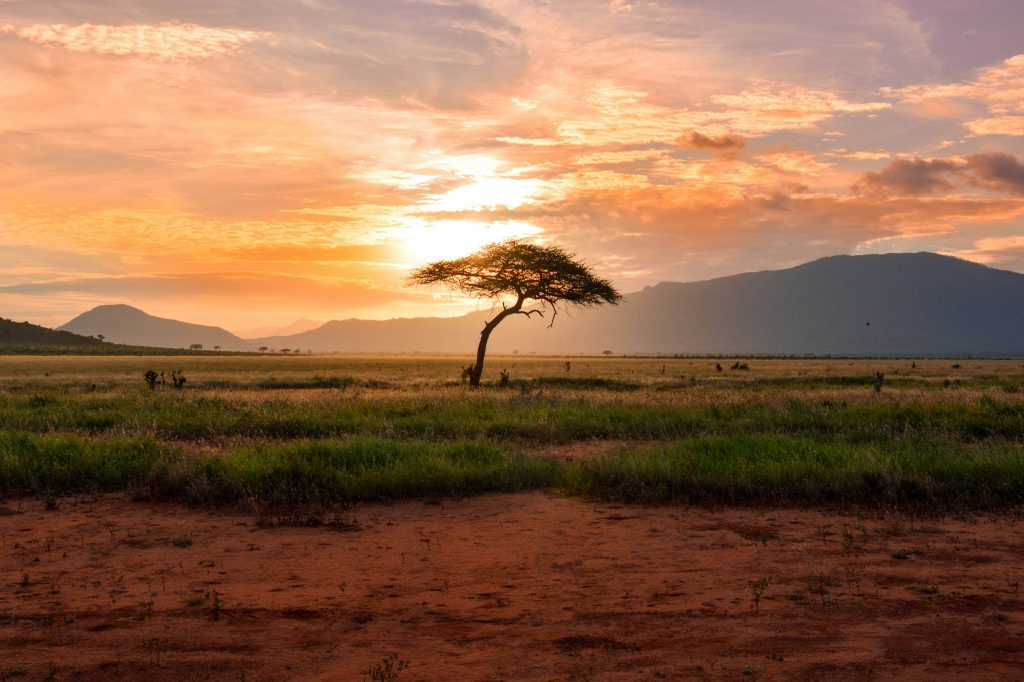
What to Expect From Dry-Season Safaris
Understanding the Dry Season in Africa
The dry season varies slightly by region but generally occurs between June and October in East Africa. During this period, rainfall is scarce, vegetation becomes thinner, and water sources reduce. These conditions naturally concentrate wildlife around rivers, lakes, and permanent waterholes, making animal sightings more frequent and easier to observe.
Wildlife Viewing During Dry-Season Safaris
Increased Wildlife Concentration
One of the most notable features of dry-season safaris is the high density of animals near water sources. Herbivores gather in large numbers, attracting predators such as lions, leopards, and cheetahs. This creates exceptional opportunities for dramatic wildlife encounters and predator sightings.
Better Visibility and Clear Sightlines
With grasses shorter and bushes less dense, travelers enjoy clearer views across open plains and forest edges. Wildlife is easier to spot from safari vehicles, and photography conditions are significantly improved due to unobstructed landscapes.
Best Destinations for Dry-Season Safaris
East Africa: Prime Game Viewing
Uganda, Rwanda, Kenya, and Tanzania perform exceptionally well during the dry season. Game drives are highly productive, and activities such as gorilla trekking and chimpanzee tracking benefit from drier forest trails and improved hiking conditions.
Weather and Comfort During the Dry Season
Dry-season weather is generally sunny with warm daytime temperatures and cooler mornings and evenings. Low humidity makes travel more comfortable, especially for visitors from colder climates. Roads remain in good condition, and game drives are rarely disrupted by rain.
What to Wear on a Dry-Season Safari
Daytime Safari Clothing
Lightweight, breathable clothing in neutral colors is recommended. Long sleeves and trousers provide sun protection while remaining comfortable in warm conditions.
Cool-Weather Layers
Early morning game drives can be chilly, particularly in open vehicles. A light jacket or fleece is essential for added warmth during these hours.
Advantages of Traveling During the Dry Season
Dry-season safaris offer reliable wildlife viewing, easier access to remote areas, and smoother travel logistics. The season is particularly appealing to first-time safari travelers due to predictable conditions and consistent animal sightings.
Things to Consider When Planning a Dry-Season Safari
High Demand and Advance Booking
The dry season is peak safari season. Lodges, camps, and permits especially for gorilla trekking often sell out months in advance. Early booking is essential to secure preferred accommodations and travel dates.
Popular Parks Can Be Busier
While wildlife viewing is excellent, popular national parks may experience higher visitor numbers during peak dry-season months. Choosing well-managed lodges and experienced guides helps maintain a high-quality safari experience.
Frequently Asked Questions About Dry-Season Safaris
What makes the dry season ideal for safaris?
The dry season offers better wildlife visibility, concentrated animal movement, minimal rainfall, and comfortable travel conditions.
Is the dry season suitable for first-time safari travelers?
Yes, dry-season safaris are ideal for first-time travelers due to predictable wildlife sightings and easier travel logistics.
Are dry-season safaris good for photography?
Yes, clear skies, open landscapes, and frequent wildlife sightings make the dry season excellent for safari photography.
Do dry-season safaris cost more?
Dry-season travel often falls within peak pricing periods due to high demand, but the quality of wildlife viewing justifies the cost for many travelers
Short Day Uganda Safaris & Short Uganda Tour Holidays
- 1-Day Chimpanzee Trekking Tour Experience Budongo Forest
- 1-Day Lake Mburo Uganda Wildlife Adventure Safari
- 1-Day Trip to the Uganda Equator
- 1-Day Uganda White Water Rafting Trip from Entebbe
- 2-Day Chimpanzee Trek & Canopy Walk Adventure in Nyungwe
- 2-Day Kibale Chimp Trekking Tour
- 2-Day Lake Mburo Wildlife Viewing Safari Uganda
- 2-Day Murchison Falls Budget Big Five (5) Safari Tour
- 2-Day Uganda Chimpanzee and Rhino Tracking Safari
- 1-Day Gorilla Tracking Bwindi from Kigali
- 1-Day Rwanda Gorilla Trekking Tour from Kigali
- 2-Day Bwindi Gorilla Trekking Safari from Kigali
- 2-Day Bwindi National Park Budget Tour
- 2-Day Gorilla Rwanda Golden Monkey Trekking Safari
- 2-Day Uganda Chimpanzee and Rhino Tracking Safari
- 5-Day Short Uganda Gorilla Trekking Safari (by road)
- 4 Days Uganda Gorillas and Chimps Trekking Safari
- 4 Days Double Gorilla Trekking Safari Rwanda & Uganda
- 4 Days Uganda Chimpanzee Trek and Gorilla Trek Safari
- 5 Days Chimpanzee Trek and Gorilla Safari – Uganda Rwanda
- 5 Days Uganda Chimpanzee & Gorilla Habituation Safari
- 5 Days Double Gorilla Trek – Flying
- 5 days gorilla habituation & Batwa-flying
- 5 days gorilla trekking by road
