Guidelines During Your Trip
Safaris and wildlife excursions offer thrilling adventures, but it’s essential to balance personal safety with environmental responsibility. Knowing how to stay safe without damaging the environment ensures memorable experiences while protecting wildlife, habitats, and ecosystems.
Why Safety and Environmental Responsibility Go Hand-in-Hand
Protect Yourself and Wildlife
Unsafe behavior, such as approaching wild animals or straying off trails, can endanger both visitors and animals.
Preserve Fragile Habitats
By practicing eco-conscious safety, you prevent soil erosion, vegetation damage, and disruption of animal territories.
Support Sustainable Tourism
Responsible travel practices help conservation efforts, local communities, and park management, promoting long-term sustainability.
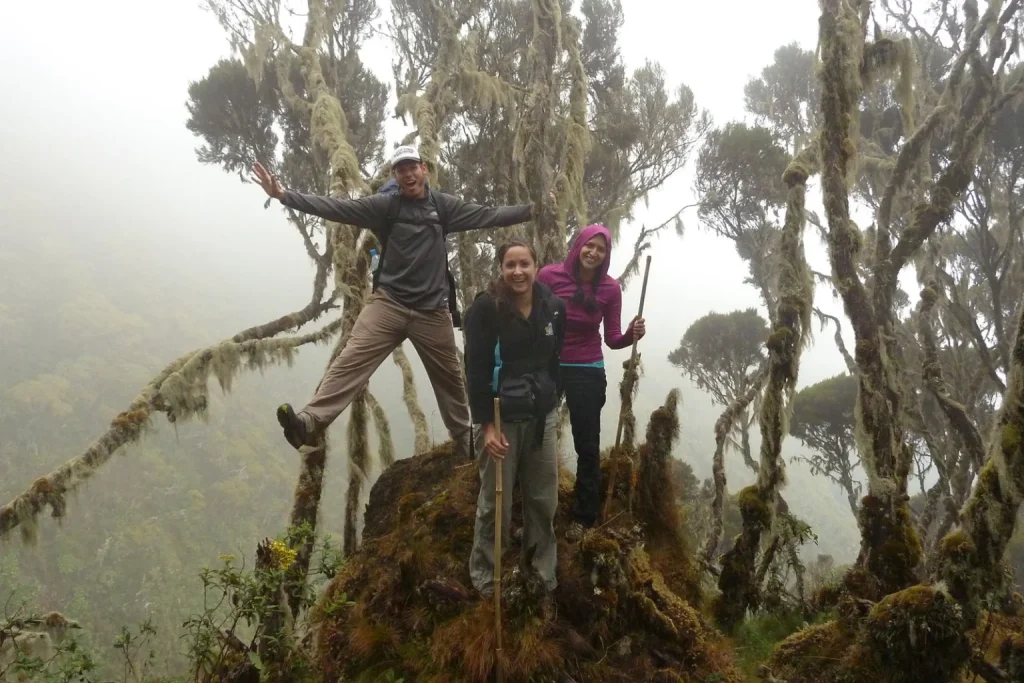
How to Stay Safe Without Damaging the Environment
Personal Safety Tips in the Wild
Follow Ranger Instructions
Trained guides understand animal behavior, park regulations, and terrain risks. Always follow their guidance.
Keep Safe Distances
Observe animals from a safe distance using binoculars or cameras; never attempt to touch, feed, or provoke wildlife.
Dress Appropriately
Wear neutral, breathable clothing, sturdy shoes, hats, and sunscreen to protect against the sun, insects, and rough terrain.
Stay Hydrated and Nourished
Carry water and light snacks to avoid fatigue, heat exhaustion, or dehydration during long walks or game drives.
Environmentally Responsible Safety Practices
Stick to Designated Paths
Avoid walking off trails, which can damage vegetation, disturb nesting sites, and erode soil.
Minimize Waste
Dispose of trash properly, carry reusable water bottles, and avoid single-use plastics to reduce pollution.
Reduce Vehicle Impact
During game drives, stay on approved tracks and limit engine noise and unnecessary stops, minimizing wildlife disturbance.
Respect Local Flora and Fauna
Do not pick plants, remove rocks, or interfere with wildlife habitats; this preserves the ecosystem for future visitors.
Additional Precautions
-
Avoid loud noises or sudden movements that could startle animals
-
Keep children close and supervised at all times
-
Learn about local hazards, such as venomous snakes, insects, or uneven terrain
-
Carry a basic first-aid kit and follow guide instructions for emergencies
Frequently Asked Questions
Can I approach animals safely during safaris?
No. Maintain a safe distance and use binoculars or zoom lenses to observe without disturbing wildlife.
How can I reduce environmental damage while staying safe?
Stay on trails, minimize noise, dispose of waste responsibly, and respect all wildlife and vegetation.
Are there safety rules specific to walking safaris?
Yes. Always walk with a guide, stay in groups, and avoid approaching wildlife, especially predators or large herbivores.
Does using eco-friendly lodges enhance safety?
Yes. Many lodges integrate environmental protection with guest safety, offering well-managed accommodations and guidance on responsible exploration.
Short Day Uganda Safaris & Short Uganda Tour Holidays
- 1-Day Chimpanzee Trekking Tour Experience Budongo Forest
- 1-Day Lake Mburo Uganda Wildlife Adventure Safari
- 1-Day Trip to the Uganda Equator
- 1-Day Uganda White Water Rafting Trip from Entebbe
- 2-Day Chimpanzee Trek & Canopy Walk Adventure in Nyungwe
- 2-Day Kibale Chimp Trekking Tour
- 2-Day Lake Mburo Wildlife Viewing Safari Uganda
- 2-Day Murchison Falls Budget Big Five (5) Safari Tour
- 2-Day Uganda Chimpanzee and Rhino Tracking Safari
- 1-Day Gorilla Tracking Bwindi from Kigali
- 1-Day Rwanda Gorilla Trekking Tour from Kigali
- 2-Day Bwindi Gorilla Trekking Safari from Kigali
- 2-Day Bwindi National Park Budget Tour
- 2-Day Gorilla Rwanda Golden Monkey Trekking Safari
- 2-Day Uganda Chimpanzee and Rhino Tracking Safari
- 5-Day Short Uganda Gorilla Trekking Safari (by road)
- 4 Days Uganda Gorillas and Chimps Trekking Safari
- 4 Days Double Gorilla Trekking Safari Rwanda & Uganda
- 4 Days Uganda Chimpanzee Trek and Gorilla Trek Safari
- 5 Days Chimpanzee Trek and Gorilla Safari – Uganda, Rwanda
- 5 Days Uganda Chimpanzee & Gorilla Habituation Safari
- 5 Days Double Gorilla Trek – Flying
- 5 days gorilla habituation & Batwa-flying
- 5 days gorilla trekking by road
