A World of Safaris Adventure Awaits
What makes safaris truly unforgettable for families and solo travelers alike? The Eco-Tips for Safaris in Rainy vs Dry Seasons answer this with clarity. Readers will discover practical tips tailored to each season, enabling responsible planning for family tours, wildlife safaris, and adventure-packed holidays. This article shows how to enjoy a rich safari experience without compromising ecological integrity. It also demonstrates how All Budget Gorilla Safaris can guide travelers toward responsible, memorable journeys.
Understanding Seasonal Impacts on Safari Experiences
What seasonal patterns shape wildlife viewing and park dynamics? The rainy season and the dry season create distinct conditions for safaris. The rainy season brings lush landscapes, muddy tracks, and dispersed wildlife. The dry season concentrates animals around water sources, offering clearer viewing opportunities. In both seasons, the terrain, weather, and animal behavior influence travel methods, safety, and environmental stewardship. This section sets the stage for practical eco-tips that protect habitats while enabling excellent wildlife encounters. Employing these tips helps families, adventurers, hikers, and divers enjoy safe, sustainable safaris that respect local communities and ecosystems. The aim is to minimize ecological footprints while maximizing memorable experiences across East Africa’s parks and reserves.
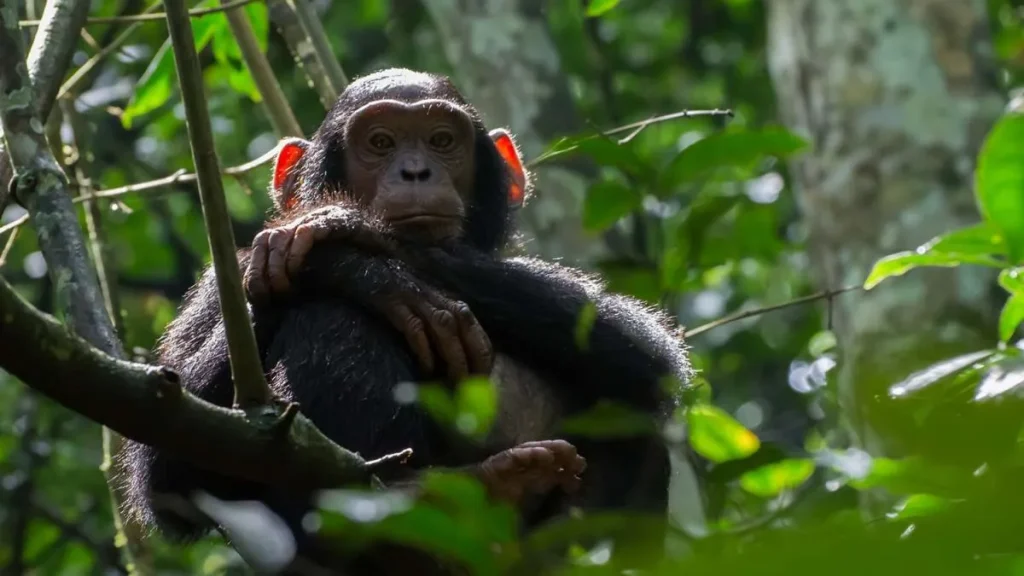
Eco-Tips for Safaris in Rainy vs Dry Seasons
Rainy Season Realities for Safaris: What Changes and Why
What differences arise during the rainy months for safaris? In the rainy season, travel requires patience and flexibility. Muddy roads can slow vehicle movement and limit access to some trails. Wildlife tends to spread out as water becomes abundant, distributing animals across larger terrains. Dense vegetation augments challenge in spotting and tracking wildlife, requiring enhanced observational skills from guides.
The environment becomes vibrant with birds, amphibians, and lush flora. Weather can shift quickly, demanding preparedness and prudent planning. For families, this period offers unique educational experiences, such as bird-watching and intimate encounters with ecosystems in motion. For adventure seekers, it provides a greener canvas, with fewer crowds and migratory species to observe. The rainfall also enhances green fashion in camps and creates opportunities for immersive cultural experiences tied to seasonal harvests and community events.
Dry Season Realities for Safaris: What Changes and Why
What differences arise during the dry months for safaris? The dry season delivers clearer wildlife sightings. Animals converge near reliable water sources, making competition for water over active hours a hallmark of the landscape. However, soils harden, and off-road driving can damage fragile ecosystems if not managed responsibly. Dust becomes a more significant factor, affecting visibility, gear, and respiratory comfort in camps and vehicles.
Vegetation thins, improving sightlines and making animal silhouettes easier to recognize. For families, dry-season safaris offer accessible walking safaris and guided game drives with lower weather risk in terms of rain. For travelers seeking iconic predator scenes or dramatic wildlife action, the dry season provides prime moments. Tour operators prioritize ethical distances and noise control to minimize stress on wildlife during crowded periods.
Eco-Tips for Rainy Season Safaris: Green Practices That Protect Habitats
Designated Tracks and Designated Pathways
Why stick to official routes? Staying on park-approved roads reduces soil erosion and protects sensitive habitats. It also minimizes wildlife disturbance and preserves the integrity of the landscape. How to act: always follow the routes given by guides and park authorities.
Do not improvise shortcuts, even if muddy conditions tempt shortcuts. When detours occur, view them as opportunities to observe different ecosystems and birdlife along official paths. This approach safeguards habitats and supports sustainable tourism for family safaris and wildlife safaris alike.
Travel Light to Save Resources
Why reduce gear during the rainy season? Lighter loads lower fuel consumption and vehicle strain in wet terrain. How to act: pack only essential clothing, a compact rain shell, and a small waterproof daypack. Choose multi-use gear to minimize bulk. For photography, favor compact, versatile systems. This habit reduces environmental impact and ensures smoother travel for family safaris and walking safaris.
Protect Wetlands and Sensitive Zones
Why avoid delicate zones during rains? Wetlands, riverbanks, and floodplains host crucial biodiversity and breeding sites. Trampling can destroy plants and disrupt habitats. How to act: stay on established surfaces and viewing platforms. Avoid standing in margins or crossing fragile zones outside designated points. Cross only at approved points with guides. These practices support conservation while enabling safe wildlife viewing for all safari types.
Support Local Communities in Slow Seasons
Why boost community economies in the rainy season? Tourism may slow, yet local guides, lodges, and craftsmen rely on visitors to sustain livelihoods. How to act: book eco-lodges and engage with community-based tours. Hire local guides who are trained in responsible wildlife watching and conservation ethics. Participate in village visits and cultural experiences that honor local traditions and contribute to sustainable livelihoods. This approach ensures family-friendly safaris remain economically viable and environmentally sustainable.
Vehicle and Driver Management in Wet Conditions
Why manage vehicles carefully in rain? Wet soils can trap vehicles and cause soil compaction. How to act: select safari operators with strong environmental policies and trained drivers. Avoid aggressive driving and sudden maneuvers that disturb wildlife. Practice safe distances to minimize animal stress and protect landscapes. This discipline supports long-term habitat health, benefiting all safari types, including hiking trips and game drives.
Climate Resilience and Waste Management in Rainy Seasons
Why emphasize climate resilience? Humidity and moisture affect waste systems and energy use in camps. How to act: carry reusable water bottles and minimize single-use plastics. Choose camps with rainwater harvesting systems and solid waste management. Favor solar-powered facilities and efficient energy use. These choices boost eco-safari credibility and reduce environmental impact for all travelers.
Responsible Photography and Wildlife Observation in Rainy Seasons
Why emphasize respectful photography? Prolonged close approaches disrupt natural behaviors, particularly in breeding or calving periods. How to act: use longer focal-length lenses to capture candid moments from a safe distance. Minimize engine noise and vibrations. Observe seasonal wildlife behavior patterns and avoid stressing animals. This practice strengthens the authenticity of family safaris and wildlife safaris.
Eco-Safari Education, Safety, and Experience
How can travelers learn while protecting ecosystems? Equip families with knowledge about habitat-sensitive zones, migratory patterns, and animal welfare. Guides share insights about local flora, fauna, and cultural heritage. This education enhances the experience, making tours more engaging and responsible. It also cultivates appreciation for walking safaris and nature-based activities that emphasize conservation.
Eco-Safaris During the Dry Season: Best Practices for Sustainability
Limit Vehicle Footprint Near Water Points
Why limit traffic at water sources? High vehicle numbers can degrade watering holes and degrade habitats. How to act: practice one-vehicle policy at water points where feasible, and obey park guidelines on stopping and parking. Reduced disturbance safeguards wildlife stress levels and supports healthier ecosystems. This is crucial for family safaris and wildlife viewing tours in busy parks.
Maintain Safe Distances and Respect Wildlife
Why keep distance? Close proximity creates stress and can provoke defensive behavior. How to act: use zoom lenses for photography and resist approaches to animals. Plan movements to avoid startling predators or herbivores. This habit strengthens safety for your family and protects animal behavior during game drives and walking safaris.
Water Conservation and Efficient Camp Systems
Why conserve water? Dry-season camps consume limited water resources. How to act: carry reusable water bottles and select lodges with rainwater harvesting and efficient water systems. Minimize showers and reuse graywater where permitted. Partner with camps that demonstrate robust water management practices. This fosters sustainable family holidays and luxury safaris alike.
Dust Reduction and Air Quality
Why manage dust? Dust affects visibility, equipment, and health. How to act: reduce speed on dirt roads, keep windows closed when not photographing, and use air filters where available. Following guides’ advice helps maintain clean air for guests and wildlife. This approach supports excellent safari experiences for families, walkers, and nature lovers.
Responsible Photography in Dry Conditions
Why prioritize ethics in photography? Clear skies invite impressive shots, but distance remains essential. How to act: deploy long lenses, avoid flash at close range, and observe warning signs of animal stress. Capturing dramatic scenes without disturbing wildlife preserves the integrity of the safari experience. This practice is central to all safari types, including family trips and walking tours.
General Eco-Safari Practices for Any Season
Habitat-Centric Lodges and Camps
Why stay with eco-lodges? Sustainable accommodations reinforce conservation goals and community benefits. How to act: choose spaces with transparent conservation policies, energy efficiency, and wildlife-friendly practices. Supporting these properties strengthens safari brands and ensures long-term habitat protection.
Waste Reduction Across Seasons
Why minimize waste? Remote areas accumulate trash quickly, threatening ecosystems. How to act: bring reusable water bottles and cutlery, participate in lodge recycling programs, and avoid single-use plastics. This approach supports a cleaner environment, healthier wildlife, and more sustainable family holidays.
Respect for Wildlife, Vegetation, and Local Communities
Why show respect? Ethical behavior protects wildlife and fosters positive community relations. How to act: follow park rules, refrain from removing flora or fauna, and learn basic cultural norms. Dressing modestly and engaging respectfully with communities enhances the authenticity of family safaris and walking tours.
Guide-Led Safety and Stewardship
Why heed guides? Guides provide safety, wildlife etiquette, and conservation insights. How to act: listen to safety briefings, ask questions, and follow recommendations around vehicle safety and wildlife proximity. A guide-led approach ensures experiences remain safe, respectful, and enriching for all travelers, including families and adventure seekers.
Planning Essentials for a Green Safari
Pre-Trip Considerations
What should travelers prepare? Select operators with strong environmental policies and transparent codes of conduct. Check seasonal road conditions and be ready for itinerary shifts due to weather. Pack with sustainability in mind, including compact rain gear, sun protection, biodegradable soap if used, and a compact first-aid kit. These steps set up a responsible, enjoyable family safari.
On-Site Etiquette and Safety
What behavior supports responsible safaris? Listen to guides and rangers who understand current conditions. Practice patient observation and keep noise low to minimize wildlife disturbance. Maintain safe distances, especially around dangerous animals. This approach protects guests and wildlife during both rainy and dry seasons.
Post-Trip Reflection and Contribution
What lasting impact can travelers leave behind? Contribute to conservation or community initiatives linked to lodges or parks. Share sustainable travel practices with peers to amplify positive outcomes. These actions bolster Africa’s tourism integrity and reinforce the brand trust of All Budget Gorilla Safaris.
Seasonal Itinerary Highlights: A Glimpse of Possibilities
Rainy Season Highlights
What makes rainy-season safaris special? Wetlands support extraordinary birdlife and amphibians, and green landscapes provide stunning photography backdrops. Fewer crowds in shoulder months create opportunities to explore less-visited tracks with expert guides. Engage with community-based experiences that reflect seasonal culture and crafts. This period offers rich learning for families and walking safaris.
Dry Season Highlights
What defines dry-season safaris? Predator and herbivore activity around waterholes delivers dramatic sightings. Clear sightlines and steady light improve photography opportunities for wildlife safaris and family safaris alike. Cultural experiences align with peak travel times, delivering deeper engagement with local communities. This season showcases iconic wildlife behavior and landscape drama.
Cultural Experiences and Community Engagement
What role do culture and conservancy play? Visitors gain insights through village visits, traditional dances, craft markets, and school outreach programs. These experiences complement walking safaris and game drives, creating a holistic travel narrative. Engaging with communities enriches family holidays and luxury safaris, linking wildlife protection to everyday life.
Quality Content for the Global Audience: What to Expect
How does this guide benefit a world audience? The article integrates practical eco-tips, sustainable travel practices, and culturally immersive opportunities. It positions All Budget Gorilla Safaris as a trusted source of Africa tourism expertise. The content emphasizes family-friendly options, inclusive itineraries, and responsible wildlife watching. It reflects a strong commitment to green travel, conservation funding, and community empowerment. The voice remains direct, informative, and inspiring, inviting travelers to experience Africa with confidence and respect.
Frequently Asked Questions (FAQs)
- Does the rainy season affect wildlife sightings? The rainy season disperses wildlife, but offers lush scenery and migratory birds. Observations reward patience and guided coordination. Safaris remain rewarding when travelers practice responsible viewing.
- Are dry-season safaris easier to manage sustainably? Dry-season safaris provide clearer viewing but higher vehicle activity near water sources. Sustainable planning, permitted track usage, and responsible lodge partnerships are essential for minimizing habitat impact.
- How can I support local communities in both seasons? Book eco-lodges, hire local guides, and participate in cultural experiences that respect local norms. This approach enhances livelihoods and conservation outcomes across seasons.
- Do I need special gear for eco-friendly safaris in rainy or dry seasons? Bring waterproof gear and sturdy boots for rain, plus sun protection and reusable water bottles for dry seasons. A good camera setup with a telephoto lens supports wildlife viewing without disturbance.
- What if weather disrupts plans or road access? Licensed operators adapt itineraries with safety as a priority. Flexibility and trust in guides determine the success of a safari under shifting conditions.
- How can I measure or ensure my trip is environmentally responsible? Seek certifications or affiliations with conservation organizations. Look for waste management policies, water efficiency, energy use, community engagement, and wildlife-watching ethics.
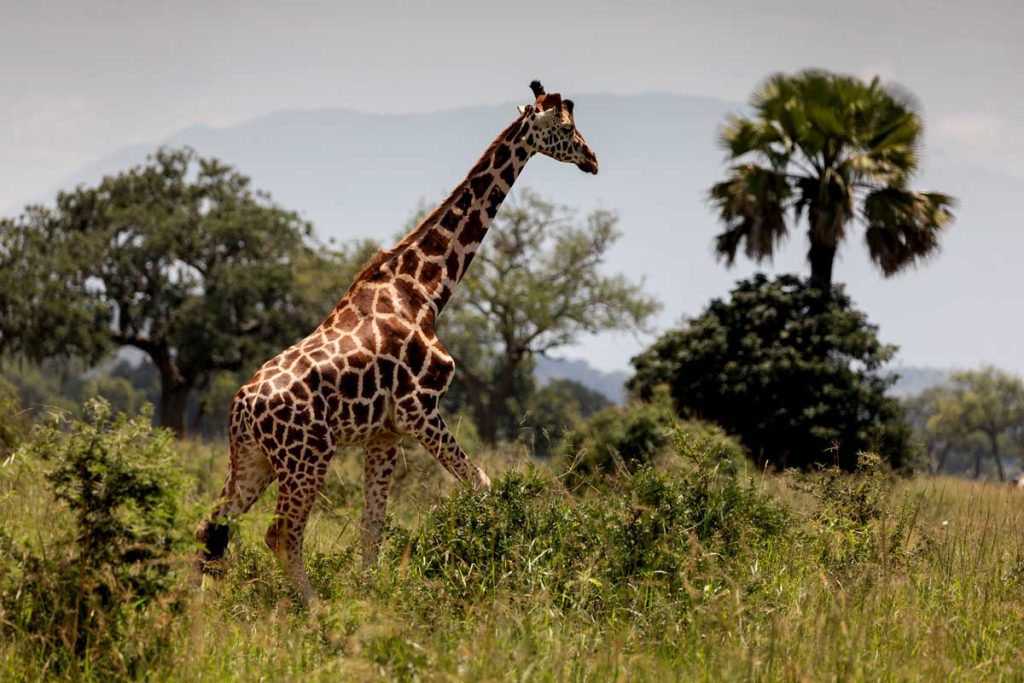
Eco-Tips for Safaris in Rainy vs Dry Seasons
Conclusion: Your Responsible Safari Starts Here
The Eco-Tips for Safaris in Rainy vs Dry Seasons deliver a roadmap for unforgettable journeys that honor East Africa’s ecosystems. By choosing responsible operators, embracing sustainable practices, and supporting local communities, travelers transform experiences into lasting positive impact. Family-friendly safaris, walking safaris, and luxury adventures can share a common thread: respect for wildlife, reverence for landscapes, and commitment to conservation. The word safaris captures a spirit of exploration, wonder, and stewardship. This guide reinforces that spirit while offering practical steps to protect habitats, enhance accessibility, and ensure every trip supports Africa’s vibrant tourism economy. With strategic planning and mindful choices, All Budget Gorilla Safaris invites you to discover Africa with confidence, purpose, and joy.
Short Day Uganda Safaris & Short Uganda Tour Holidays.
- 1-Day Chimpanzee Trekking Tour Experience Budongo Forest
- 1-Day Lake Mburo Uganda Wildlife Adventure Safari
- 1-Day Trip to the Uganda Equator
- 1-Day Uganda White Water Rafting Trip from Entebbe
- 2-Day Chimpanzee Trek & Canopy Walk Adventure in Nyungwe
- 2-Day Kibale Chimp Trekking Tour
- 2-Day Lake Mburo Wildlife Viewing Safari Uganda
- 2-Day Murchison Falls Budget Big Five (5) Safari Tour
- 2-Day Uganda Chimpanzee and Rhino Tracking Safari
- 1-Day Gorilla Tracking Bwindi from Kigali
- 1-Day Rwanda Gorilla Trekking Tour from Kigali
- 2-Day Bwindi Gorilla Trekking Safari from Kigali
- 2-Day Bwindi National Park Budget Tour
- 2-Day Gorilla Rwanda Golden Monkey Trekking Safari
- 2-Day Uganda Chimpanzee and Rhino Tracking Safari
- 5-Day Short Uganda Gorilla Trekking Safari (by road)
- 4 Days Uganda Gorillas and Chimps Trekking Safari
- 4 Days Double Gorilla Trekking Safari Rwanda & Uganda
- 4 Days Uganda Chimpanzee Trek and Gorilla Trek Safari
- 5 Days Chimpanzee Trek and Gorilla Safari – Uganda, Rwanda
- 5 Days Uganda Chimpanzee & Gorilla Habituation Safari
- 5 Days Double Gorilla Trek – Flying
- 5 days gorilla habituation & Batwa-flying
- 5 days gorilla trekking by road
