Best Time of Year to Visit African Game Parks
Expert East Africa Safari Timing Guide
Planning an African safari is not simply about choosing a destination. Timing determines everything from witnessing the thunderous Great Wildebeest Migration across the Serengeti ecosystem to trekking endangered mountain gorillas through the mist-covered forests of Bwindi Impenetrable National Park.
After more than a decade guiding travelers across East Africa with All Budget Uganda Safaris Ltd, one reality remains consistent: the best safari experiences happen when travelers match the right season with the right ecosystem.
East Africa offers year-round safari opportunities, but every season reveals different wildlife spectacles:
- Mara River crossings in the Maasai Mara National Reserve
- Elephant mega-herds in Tarangire National Park
- Gorilla trekking in Bwindi
- Chimpanzee tracking in Kibale National Park
- Shoebill tracking in Uganda’s wetlands
- Flamingo gatherings at Lake Nakuru National Park
This expert guide explains exactly when to visit East Africa’s top safari destinations based on wildlife movement, weather patterns, migration timing, photography conditions, crowd levels, and safari budgets.
What Is the Best Time to Visit African Game Parks?
The best time to visit African game parks is generally during the dry seasons from June to October and December to February. Wildlife becomes easier to spot because vegetation thins, roads improve, and species gather around rivers and waterholes. However, green seasons offer lower prices, fewer crowds, dramatic landscapes, and exceptional birdwatching.
The dry season remains the classic safari period across East Africa because:
- Grass becomes shorter
- Wildlife concentrates near water
- Roads remain accessible
- Predator tracking improves
- Photography visibility increases
Big Five Species Frequently Seen
- Panthera leo (African lion)
- Loxodonta africana (African bush elephant)
- Diceros bicornis (Black rhinoceros)
- Syncerus caffer (Cape buffalo)
- Panthera pardus (Leopard)
These iconic mammals collectively form the legendary Big Five.
Why Dry Season Safaris Dominate
Savannah ecosystems like:
- Serengeti National Park
- Maasai Mara
- Amboseli National Park
- Queen Elizabeth National Park
It becomes significantly easier for wildlife viewing during dry periods.
Pro Tip From Our Safari Experts
Late June and early July often provide the best balance between strong wildlife viewing and reduced safari vehicle congestion before peak migration crowds arrive.
Why Green Season Safaris Are Underrated
Green season safaris between March–May and November offer exceptional photography, fewer tourists, lush scenery, lower lodge prices, and outstanding birdwatching opportunities despite occasional rainfall.
Many experienced safari photographers actually prefer green seasons because:
- Dust levels decrease
- Landscapes turn emerald green
- Storm lighting becomes dramatic
- Migratory birds arrive from Europe and Asia
Best Parks for Green Season Safaris
- Queen Elizabeth National Park
- Tarangire National Park
- Ruaha National Park
- Lake Nakuru National Park
Green Season Wildlife Advantages
Predators remain highly active because:
- Young herbivores are abundant
- Water sources expand
- Bird activity increases dramatically
Pro Tip From a Local Guide
In Uganda, April often offers spectacular gorilla trekking conditions because forest vegetation is vibrant while tourist traffic remains significantly lower than in peak months.
Best Time to Visit Kenya’s National Parks
Kenya’s best safari season runs from July through October during the Great Wildebeest Migration in the Maasai Mara. January through March is ideal for predator photography, while April and May offer lower safari prices and greener landscapes.
Kenya remains one of Africa’s top classic safari destinations because it combines:
- Big Five wildlife
- The Great Migration
- Luxury conservancies
- Cultural tourism
- Excellent infrastructure
Maasai Mara National Reserve
The Maasai Mara reaches peak wildlife activity from July to October when over 1.5 million wildebeest and zebras migrate from Tanzania’s Serengeti ecosystem into Kenya.
Maasai Mara National Reserve hosts one of Earth’s greatest wildlife spectacles.
Signature Wildlife Events
- Mara River crossings
- Predator ambushes
- Hyena clan activity
- Cheetah hunting behavior
Common Wildlife Species
- Wildebeest
- Plains zebras
- African lions
- Cheetahs
- Nile crocodiles
- African wild dogs
Pro Tip From Our Kenya Specialists
Private conservancies bordering the Maasai Mara often provide superior wildlife exclusivity and night drives unavailable inside the reserve itself.
Amboseli National Park
Amboseli National Park is best visited during June–October and January–February when Mount Kilimanjaro becomes highly visible behind massive elephant herds.
Amboseli National Park is globally famous for:
- Giant tusker elephants
- Kilimanjaro photography
- Seasonal wetlands
- Open plains wildlife viewing
Best Wildlife Encounters
- African elephants
- Spotted hyenas
- Buffaloes
- Giraffes
- Cheetahs
Photography Conditions
Dry seasons improve:
- Mountain visibility
- Sunrise lighting
- Dust silhouettes
Pro Tip From a Local Guide
Early morning game drives provide the clearest Mount Kilimanjaro views before clouds build later in the day.
Samburu National Reserve
Samburu National Reserve offers excellent year-round wildlife viewing, though dry months provide stronger sightings along the Ewaso Ng’iro River.
Samburu National Reserve protects species rarely found elsewhere in East Africa.
Unique Samburu Species
- Grevy’s zebra
- Reticulated giraffe
- Somali ostrich
- Gerenuk
- Beisa oryx
Why Samburu Is Different
The semi-arid ecosystem supports:
- Distinct northern wildlife
- Fewer crowds
- Excellent predator viewing
Pro Tip From Our Guides
Samburu works exceptionally well as an extension after the Maasai Mara because it introduces entirely different landscapes and endemic species.
Best Time to Visit Tanzania’s National Parks
Tanzania’s prime safari season runs from June to October for classic Serengeti wildlife viewing, while January and February are ideal for witnessing wildebeest calving season in the southern Serengeti ecosystem.
Tanzania remains Africa’s ultimate wildlife safari destination because it combines:
- Vast ecosystems
- The Serengeti Migration
- Ngorongoro Crater
- Elephant concentrations
- Remote wilderness parks
Serengeti National Park
Serengeti National Park offers year-round safari opportunities because the Great Wildebeest Migration continuously moves throughout the ecosystem.
Serengeti National Park remains Africa’s most iconic wildlife landscape.
Migration Calendar
| Month | Migration Area | Best Experience |
| Jan–Feb | Ndutu Plains | Calving season |
| Mar–Apr | Southern Serengeti | Predator action |
| May–Jun | Western Corridor | Grumeti crossings |
| Jul–Aug | Northern Serengeti | Mara River crossings |
| Sep–Oct | Maasai Mara | Big cat sightings |
| Nov–Dec | Returning south | Storm photography |
Predator Density
Calving season attracts:
- Lions
- Hyenas
- Cheetahs
- Leopards
Pro Tip From a Serengeti Guide
Late July often produces dramatic river crossings before August crowds intensify.
Ngorongoro Conservation Area
Ngorongoro Crater offers exceptional year-round wildlife viewing because its enclosed ecosystem contains permanent water sources and dense predator populations.
Ngorongoro Conservation Area supports extraordinary biodiversity.
Common Wildlife Sightings
- Black rhinoceroses
- Hippos
- Lions
- Flamingos
- Hyenas
- Buffaloes
Why Ngorongoro Is Unique
The crater floor creates:
- Natural wildlife concentration
- Reliable sightings
- Stunning volcanic scenery
Pro Tip From Our Tanzania Experts
Descending into the crater immediately after sunrise dramatically improves chances of spotting active predators before crowds arrive.
Tarangire National Park
Tarangire National Park is best during June–October when thousands of elephants concentrate near the Tarangire River during the dry season.
Tarangire National Park is famous for:
- Ancient baobab trees
- Elephant super-herds
- Seasonal wetlands
- Rare antelope species
Best Wildlife Encounters
- African elephants
- Fringe-eared oryx
- Greater kudu
- Lions
- Leopards
Pro Tip From Our Guides
September provides exceptional elephant viewing while avoiding heavier Serengeti migration crowds.
Best Time to Visit Uganda for Safari and Gorilla Trekking
Uganda’s best safari months are June–September and December–February because these periods provide optimal gorilla trekking conditions, easier forest hiking, improved wildlife visibility, and better road access.
Uganda uniquely combines:
- Savannah safaris
- Gorilla trekking
- Chimpanzee habituation
- Nile River cruises
- Equatorial birdwatching
Bwindi Impenetrable National Park
Bwindi Impenetrable National Park is best visited during dry seasons when trekking trails become less slippery and mountain gorilla families are easier to access.
Bwindi Impenetrable National Park protects nearly half of the world’s remaining mountain gorillas.
Gorilla Trekking Highlights
- Silverback encounters
- Ancient rainforest ecosystems
- Conservation tourism
- Guided trekking experiences
Gorilla Trekking Sectors
- Buhoma
- Rushaga
- Ruhija
- Nkuringo
Pro Tip From Our Gorilla Guides
Hiring local porters not only improves trekking comfort but also directly supports conservation-linked community livelihoods.
Kibale Forest National Park
Kibale Forest National Park offers East Africa’s highest concentration of chimpanzees and delivers exceptional primate trekking experiences during the drier months.
Kibale National Park protects a tropical rainforest rich in primate biodiversity.
Primates Commonly Seen
- Eastern chimpanzees
- Red colobus monkeys
- L’Hoest monkeys
- Black-and-white colobus
Best Time for Chimpanzee Trekking
- June–September
- December–February
Pro Tip From a Local Expert
Morning chimpanzee trekking sessions usually provide the most active primate behavior and vocalization displays.
Queen Elizabeth National Park
Queen Elizabeth National Park delivers strong year-round wildlife viewing but performs best during dry seasons when game concentrates around the Kazinga Channel and open savannahs.
Queen Elizabeth National Park remains Uganda’s most biodiverse savannah ecosystem.
Key Attractions
- Tree-climbing lions
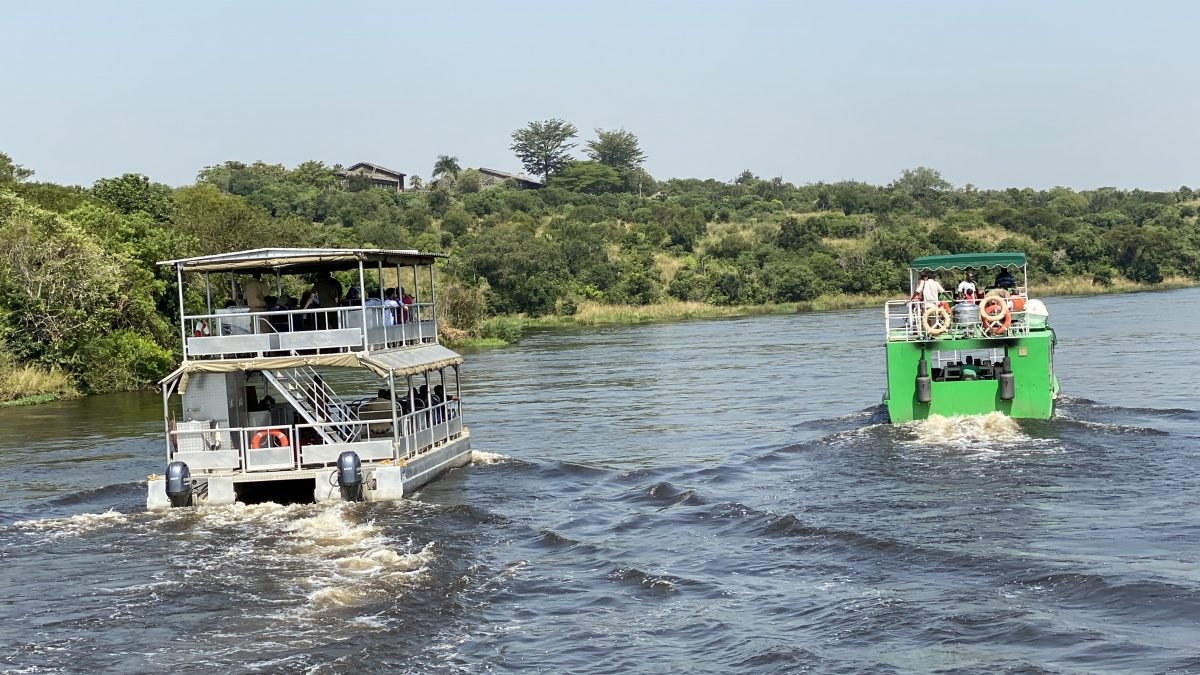
- Kazinga Channel boat safaris
- Hippo concentrations
- Crater lakes
Signature Wildlife
- African elephants
- Giant forest hogs
- Buffaloes
- Nile crocodiles
Pro Tip From Our Guides
Late afternoon Kazinga Channel cruises provide excellent elephant and hippo photography in softer golden light.
Primate Trekking in East Africa: The Ultimate Safari Differentiator
Primate trekking distinguishes East Africa from every other safari region because travelers can encounter endangered mountain gorillas and wild chimpanzees in their natural rainforest habitats.
For many travelers, standing face-to-face with a wild silverback gorilla becomes more emotional than seeing the Big Five.
Best Gorilla Trekking Seasons
- June–September
- December–February
Why Uganda Excels for Primate Safaris
Uganda combines:
- Gorilla trekking
- Chimpanzee tracking
- Golden monkey trekking
- Traditional game drives
Uganda vs Rwanda Gorilla Trekking
| Feature | Uganda | Rwanda |
| Permit Cost | Lower | Higher |
| Trek Variety | Extensive | Moderate |
| Luxury Lodges | Growing | Strong |
| Combined Safaris | Excellent | Moderate |
Pro Tip From All Budget Gorilla Safaris Ltd
Combining Serengeti migration safaris with Bwindi gorilla trekking creates East Africa’s ultimate wildlife circuit.
Best Time for Birdwatching Safaris
The best birdwatching season in East Africa runs from November to April when migratory bird species arrive from Europe and Asia.
Uganda alone supports more than 1,090 bird species.
Top Birding Destinations
- Mabamba Swamp
- Queen Elizabeth National Park
- Lake Nakuru National Park
- Semuliki National Park
Notable Bird Species
- Shoebill stork
- African fish eagle
- Grey crowned crane
- Saddle-billed stork
Pro Tip From Our Birding Experts
Green season birding safaris often outperform dry season wildlife safaris for photographers seeking colorful avian activity.
Safari Costs by Season: High vs Low Season
Safari prices fluctuate dramatically depending on migration timing, weather conditions, school holidays, and international tourism demand.
| Safari Type | Peak Season | Green Season |
| Budget Safari | $180–350/day | $120–250/day |
| Mid-range Safari | $400–700/day | $300–500/day |
| Luxury Safari | $900–2500/day | $700–1800/day |
Why Prices Increase During Peak Season
- Gorilla permit demand
- Migration tourism
- Limited lodge capacity
- Holiday travel surges
Pro Tip From Our Safari Consultants
Shoulder seasons like early June and late November often provide outstanding value without major weather compromises.
How to Choose the Right Safari Season for Your Travel Style
The best safari season depends entirely on your priorities, including migration timing, wildlife density, photography, birdwatching, gorilla trekking, family travel, or safari budget.
Best Time for Different Safari Goals
| Safari Goal | Best Time |
| Migration Crossings | Jul–Sep |
| Gorilla Trekking | Jun–Sep |
| Birdwatching | Nov–Apr |
| Budget Travel | Apr–May |
| Photography | Jan–Mar |
| Family Safaris | Jun–Aug |
Pro Tip From Our Planning Team
Multi-country East African itineraries work best during shoulder seasons when wildlife remains excellent, but regional flights and lodges become less crowded.
Frequently Asked Questions
What is the cheapest month for African safaris?
April and May are usually the cheapest safari months because rainfall reduces tourist demand and lodge prices.
Is the rainy season bad for safari?
No. Rainy seasons often provide excellent photography, birdwatching, dramatic landscapes, and fewer crowds.
When is the Great Wildebeest Migration?
The migration occurs year-round, though Mara River crossings peak between July and September.
What month is best for gorilla trekking?
June through September provides the driest trekking conditions.
Which country is best for first-time safari travelers?
Kenya and Tanzania remain ideal for classic wildlife safaris, while Uganda excels for combined primate and wildlife adventures.
How far in advance should I book gorilla permits?
Peak-season gorilla permits should ideally be reserved 6–12 months ahead.
Is Uganda good for birdwatching?
Yes. Uganda is considered Africa’s premier birding destination with more than 1,090 recorded bird species.
Which season is best for safari photography?
January through March provides excellent lighting, predator activity, and dramatic skies.
Conclusion
East Africa remains the world’s greatest safari region because nowhere else combines:
- The Great Wildebeest Migration
- Big Five safaris
- Mountain gorilla trekking
- Chimpanzee encounters
- Exceptional birdwatching
- Rich cultural heritage
The best time to visit African game parks ultimately depends on your travel goals. Whether you dream of photographing elephants beneath Mount Kilimanjaro, tracking silverback gorillas through Bwindi, or witnessing Mara River crossings in the Serengeti ecosystem, choosing the right season transforms a safari into a life-changing expedition.
At All Budget Uganda Safaris Ltd, we help travelers match the perfect season with the ideal East African safari experience based on wildlife interests, comfort level, photography goals, and budget.
-
Short Day Uganda Safaris & Short Uganda Tour Holidays
- 1-Day Chimpanzee Trekking Tour Experience Budongo Forest
- 1-Day Lake Mburo Uganda Wildlife Adventure Safari
- 1-Day Trip to the Uganda Equator
- 1-Day Uganda White Water Rafting Trip from Entebbe
- 2-Day Chimpanzee Trek & Canopy Walk Adventure in Nyungwe
- 2-Day Kibale Chimp Trekking Tour
- 2-Day Lake Mburo Wildlife Viewing Safari Uganda
- 2-Day Murchison Falls Budget Big Five (5) Safari Tour
- 2-Day Uganda Chimpanzee and Rhino Tracking Safari
- 1-Day Gorilla Tracking Bwindi from Kigali
- 1-Day Rwanda Gorilla Trekking Tour from Kigali
- 2-Day Bwindi Gorilla Trekking Safari from Kigali
- 2-Day Bwindi National Park Budget Tour
- 2-Day Gorilla Rwanda Golden Monkey Trekking Safari
- 2-Day Uganda Chimpanzee and Rhino Tracking Safari
- 5-Day Short Uganda Gorilla Trekking Safari (by road)
- 4 Days Uganda Gorillas and Chimps Trekking Safari
- 4 Days Double Gorilla Trekking Safari Rwanda & Uganda
- 4 Days Uganda Chimpanzee Trek and Gorilla Trek Safari
- 5 Days Chimpanzee Trek and Gorilla Safari – Uganda, Rwanda
- 5 Days Uganda Chimpanzee & Gorilla Habituation Safari
- 5 Days Double Gorilla Trek – Flying
- 5 days gorilla habituation & Batwa-flying
- 5 days gorilla trekking by road